

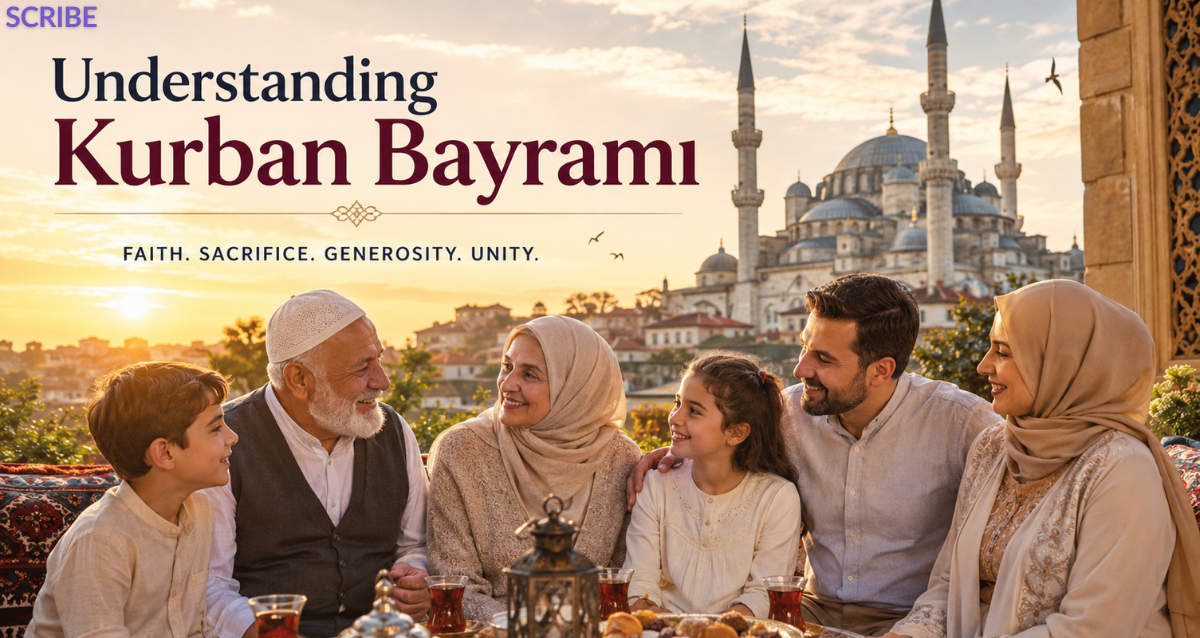
Kurban Bayramı is one of the most meaningful religious celebrations in Turkish culture, representing sacrifice, faith, generosity, and unity. This special occasion is observed by Muslims around the world and holds a deep connection with the story of Hazrat Ibrahim (A.S) and his devotion to Allah. In Turkey, Kurban Bayramı is celebrated with prayers, family gatherings, sharing meals, and helping people in need.
The definition of Kurban Bayramı refers to the Islamic festival of sacrifice, where Muslims perform qurbani as an act of worship and gratitude. Beyond the religious aspect, Kurban Bayramı reflects important Turkish traditions such as respecting elders, supporting the community, and spreading kindness. This guide explores the history, customs, and cultural importance behind this beloved celebration.
The Story Behind the Day
Understanding Kurban Bayramı starts with the inspiring story of Prophet Ibrahim and Prophet Ismail in the Quran, especially Surah As-Saffat. Kurban Bayramı, known globally as Eid al-Adha, is an important Islamic holiday that reflects Turkish culture, Muslim traditions, and deep Islamic values. This sacred event represents faith and obedience through Qurbani and Kurban sacrifice across Türkiye.
The story behind kurban bayramı, kurban bayrami, and qurban bayrami teaches compassion, Charity, and Religious obligation through Animal sacrifice and Meat distribution. According to Islamic law, the Hanafi school regards the practice as Vacip, while Diyanet explains proper Halal slaughter, Animal welfare, and Islamic rituals. Understanding Kurban Bayramı also highlights the lasting importance of this religious holiday in modern Turkish traditions and Bayram celebrations.
It Did Not Begin with Islam
Long before Understanding Kurban Bayramı became connected with Eid al-Adha, many ancient civilizations practiced animal sacrifice as part of religious ceremonies. Communities across Mesopotamia, Egypt, Greece, and Asia offered a Sacrificial animal to honor different beliefs and traditions. These early customs later shaped discussions among Islamic scholars about the History of Kurban Bayramı and the Meaning of Kurban.
Islam brought a clear purpose to Kurban sacrifice by removing idol worship and focusing on Islamic values, Faith and obedience, and sincere devotion to Allah. The Quran and Islamic law explain that Qurbani is an act of worship, not simply an animal sacrifice. Understanding Kurban Bayramı helps explain how Prophet Ibrahim, Prophet Ismail, and Surah As-Saffat transformed older customs into meaningful Islamic rituals.
Today, kurban bayramı, kurban bayrami, and qurban bayrami continue this sacred tradition through Muslim traditions, Turkish culture, and Turkish traditions across Türkiye. The focus remains on Charity, Meat distribution, Feeding the poor, and compassion instead of ancient rituals. Understanding Kurban Bayramı shows how this important religious holiday preserves timeless values while strengthening families and communities during Bayram celebrations.
Read More: Turkish and Arabic: Clearing Up a Common Confusion
What Islamic Law Actually Requires
Understanding Kurban Bayramı includes learning how Islamic law guides every step of Kurban sacrifice. According to the Hanafi school, Kurban Bayramı is considered Vacip for financially eligible Muslims who meet the Nisab or Wealth threshold. Diyanet also explains that this religious obligation must be completed with sincerity and respect during Eid al-Adha.
The Shafi’i school, Maliki school, and Hanbali school describe Qurbani as Sunnet-i Müekkede, making it a highly recommended act rather than a compulsory duty. Islamic scholars base these opinions on the Quran, authentic traditions, and Islamic jurisprudence. Understanding Kurban Bayramı helps explain why different schools agree on the importance of devotion, even with slight legal differences.
During kurban bayramı, kurban bayrami, and qurban bayrami, proper Halal slaughter, careful Animal handling, and Animal welfare remain essential parts of the process. A healthy Kurbanlık should be treated kindly, and the meat should support Charity, Meat distribution, and Feeding the poor. Understanding Kurban Bayramı highlights that true worship combines compassion, responsibility, and respect for both faith and humanity.
How Türkiye Observes It Today
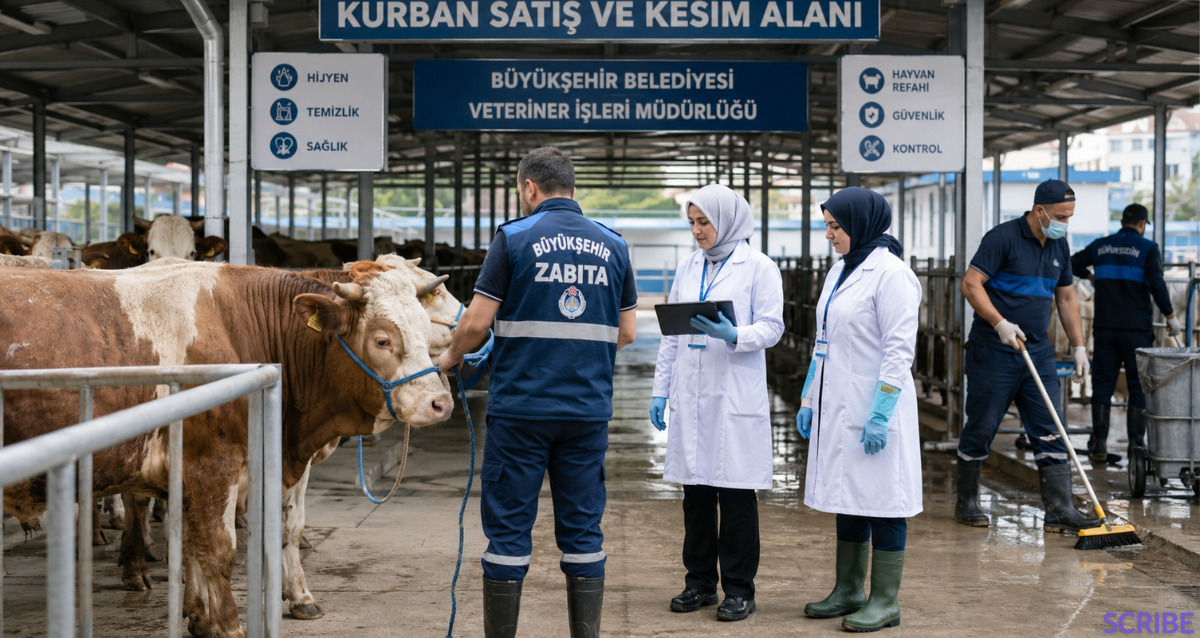
Today, Understanding Kurban Bayramı shows how Türkiye combines faith with modern organization during Kurban Bayramı and Eid al-Adha. The Diyanet, local authorities, and Turkish municipalities oversee Official slaughterhouses, Veterinary inspection, and Hygiene regulations to ensure every Kurban sacrifice follows Islamic law. These efforts protect public health while maintaining high standards of Animal welfare.
Many families now prefer the Vekâlet system or Vekâletle kurban, allowing trusted organizations like Türkiye Diyanet Vakfı to perform Qurbani on their behalf. Rising Kurban prices and Inflation in Türkiye have made this option more practical for many households. Understanding Kurban Bayramı also explains how this approach supports Charity, Meat distribution, and Feeding the poor in different regions.
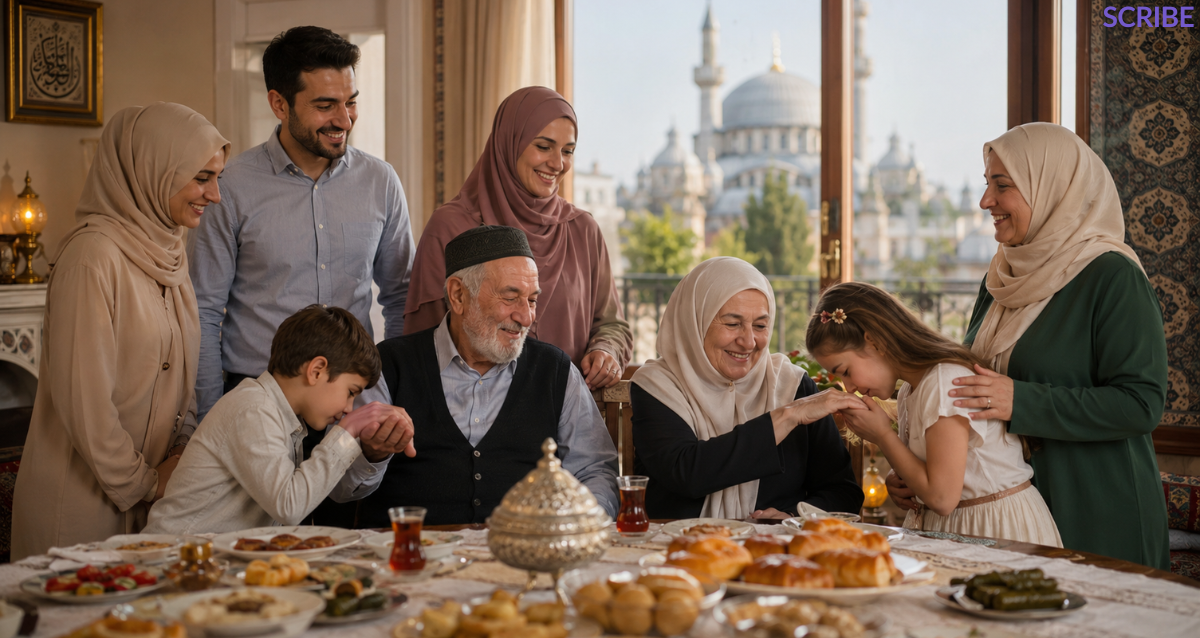
During kurban bayramı, kurban bayrami, and qurban bayrami, Urban traditions and Rural traditions may differ, but both reflect the same Islamic values and Muslim traditions. Families gather for prayers, share meals, and celebrate meaningful Bayram celebrations, keeping Turkish customs alive for future generations. Understanding Kurban Bayramı highlights that the spirit of sacrifice remains unchanged despite modern lifestyles.
Example: In Istanbul, many families choose the Vekâlet system, allowing charities to complete the Kurban sacrifice and distribute the meat to families in need. In smaller towns and villages across Türkiye, relatives often gather at an official Kesim yeri, perform Qurbani together, and share fresh meat with neighbors, friends, and those facing hardship. This example reflects the true purpose of Understanding Kurban Bayramı through faith, generosity, and community support.
An Anecdote from Türkiye
Understanding Kurban Bayramı also includes memorable moments that become part of local history in Türkiye. During Kurban Bayramı, a bull named Ferdinand escaped before the Kurban sacrifice and wandered through streets and nearby forests, attracting nationwide media attention. The unusual event became one of the most talked-about Bayram celebrations and highlighted the importance of proper Animal handling and Animal welfare.
The search for Ferdinand lasted for several days as local residents, Turkish municipalities, veterinarians, and emergency teams worked together to capture the animal safely. Reports about the incident spread across the country, creating discussions about Official slaughterhouses, Hygiene regulations, and safer methods for managing a Kurbanlık during Eid al-Adha. Understanding Kurban Bayramı also shows how modern safety practices continue to improve each year.
Today, kurban bayramı, kurban bayrami, and qurban bayrami are remembered not only for their spiritual meaning but also for stories that encourage greater care and responsibility. The Ferdinand incident reminds families that Islamic values, Halal slaughter, and kindness toward animals should always remain at the heart of this Religious holiday. Understanding Kurban Bayramı reflects both timeless faith and practical lessons for modern society.
Short Note: The famous Ferdinand bull story from Türkiye is a memorable reminder that patience, proper planning, and respect for Animal welfare are just as important as the Kurban sacrifice itself.
The Animal Rights Question
Understanding Kurban Bayramı also includes discussions about Animal welfare and responsible Animal sacrifice. Many people support Islamic rituals while encouraging gentle Animal handling, proper Halal slaughter, and respect for every Sacrificial animal. These principles reflect the compassion and mercy taught in the Quran.
Across Türkiye, Diyanet, veterinarians, and local authorities promote Official slaughterhouses, Veterinary inspection, and Hygiene regulations to improve safety during Eid al-Adha. These measures help protect both public health and animals while ensuring every Kurban sacrifice follows Islamic law. Understanding Kurban Bayramı explains how faith and responsibility work together.
During kurban bayramı, kurban bayrami, and qurban bayrami, some groups continue the Animal rights debate, while many Islamic scholars emphasize that kindness and respect are essential parts of worship. Understanding Kurban Bayramı reminds readers that the purpose of the festival is devotion, compassion, and Charity, not causing unnecessary suffering.
Kurban bayramı ne zaman 2026
In 2026, Kurban Bayramı is expected to begin on Wednesday, May 27, with Arafat Day observed on Tuesday, May 26. As one of the most important Dini Bayramlar and a major religious holiday, Eid al-Adha brings families together across Türkiye for prayers, Qurbani, and acts of Charity. Understanding Kurban Bayramı helps explain why these dates hold deep religious and cultural importance.
During Kurban Bayramı, many people visit relatives, attend mosque prayers, and perform Kurban sacrifice according to Islamic law. The holiday is also a Public holiday, allowing time for Family gatherings, Meat sharing, and helping those in need through Feeding the poor. These traditions remain an important part of Turkish culture and Turkish holiday traditions.
Kurban bayramı in english
Kurban Bayramı in English is called Eid al-Adha, often translated as the Festival of Sacrifice. It is one of the most important Islamic holidays, celebrated by Muslims around the world to honor the devotion of Prophet Ibrahim. Understanding Kurban Bayramı helps explain the connection between the Turkish name and its global meaning.
In Türkiye, Kurban Bayramı is one of the major Dini Bayramlar and an important Public holiday. Families gather for prayers, perform Qurbani, share meals, and take part in Charity and Meat distribution. These customs reflect Turkish culture, Muslim traditions, and lasting Islamic values.
Although the name changes from Kurban Bayramı to Eid al-Adha in English, the purpose remains the same. During kurban bayramı, kurban bayrami, and qurban bayrami, people celebrate with compassion, gratitude, and family gatherings while helping those in need. Understanding Kurban Bayramı highlights the shared spiritual message behind every language and culture.
Kurban bayramı wikipedia
Many people search for Kurban Bayramı Wikipedia to learn about the history, meaning, and traditions of this important Islamic holiday. While Wikipedia offers a general overview, Understanding Kurban Bayramı provides a deeper explanation of Eid al-Adha, Prophet Ibrahim, Qurbani, and the religious significance of the celebration in Türkiye.
A typical Kurban Bayramı Wikipedia page explains the History of Kurban Bayramı, the Story of Ibrahim and Ismail, and the role of Animal sacrifice in Islamic law. It also covers Turkish culture, Muslim traditions, Dini Bayramlar, and important practices such as Meat sharing, Charity, and Feeding the poor during the festival.
Although Kurban Bayramı Wikipedia is a useful starting point, readers can benefit from exploring trusted religious sources for more detailed guidance. Understanding Kurban Bayramı helps explain the festival through Islamic values, Religious customs in Turkey, and modern Turkish holiday traditions, giving a clearer picture of this meaningful celebration.
What Does Kurban Bayramı Wikipedia Cover?
History and Background
Many people search for Kurban Bayramı Wikipedia to learn about the History of Kurban Bayramı, Eid al-Adha, and the story of Prophet Ibrahim. Most summaries explain the festival’s religious background, its connection with Qurbani, and its importance in Türkiye. Understanding Kurban Bayramı gives readers a broader view of these traditions and their spiritual meaning.
Religious Practices
A Kurban Bayramı Wikipedia page usually describes animal sacrifice, Islamic law, and the customs followed during this Islamic holiday. It also highlights Muslim traditions, Charity, Meat distribution, and Family gatherings that take place throughout the celebration. These practices remain an important part of Turkish culture and Dini Bayramlar.
Why Look Beyond Wikipedia?
Although Kurban Bayramı Wikipedia is a helpful starting point, trusted religious sources often provide more detailed guidance about Islamic values and Religious customs in Turkey. Understanding Kurban Bayramı offers additional context about modern traditions, historical background, and the lasting significance of this sacred festival.
Eid al-Adha Hajj
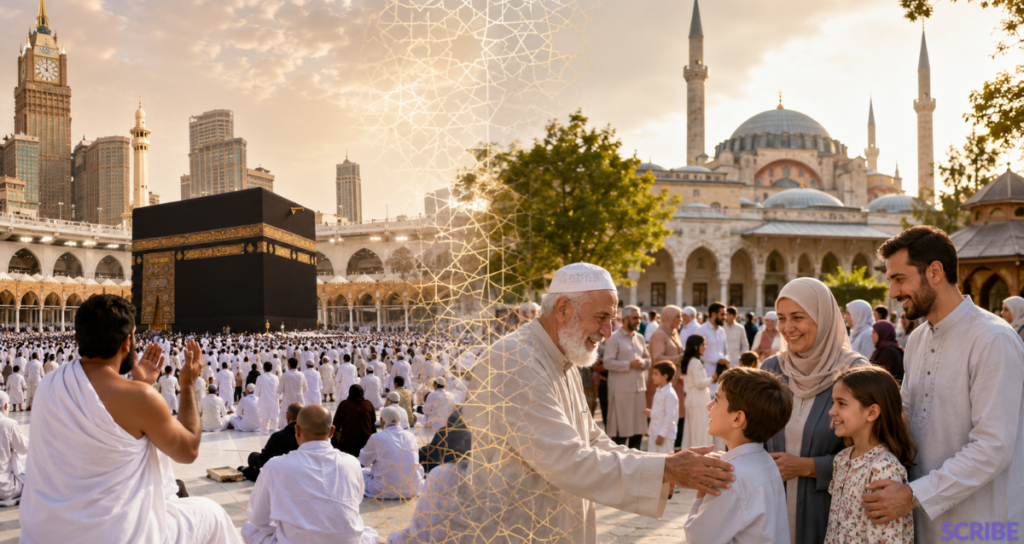
Eid al-Adha and Hajj are closely connected in the Islamic calendar. Every year, millions of Muslims complete Hajj in Makkah while Eid al-Adha begins on the 10th day of Dhul Hijjah. Understanding Kurban Bayramı helps explain how this sacred time unites Muslim traditions, Islamic rituals, and Faith and obedience around the world.
During Hajj, pilgrims perform important acts of worship, while Muslims across Türkiye and other countries observe Kurban Bayramı through Qurbani, Charity, and Meat distribution. The celebration honors Prophet Ibrahim and follows the teachings of the Quran and Islamic law. These traditions strengthen the spirit of compassion and gratitude.
Although not every Muslim performs Hajj, Eid al-Adha allows families everywhere to share in its blessings through Kurban sacrifice and helping those in need. During kurban bayramı, kurban bayrami, and qurban bayrami, communities gather for prayers, Family gatherings, and acts of kindness. Understanding Kurban Bayramı highlights the strong spiritual connection between Hajj and this meaningful Islamic holiday.
When is Bayram 2026
In 2026, Kurban Bayramı is expected to begin on Wednesday, May 27, following Arafat Day on Tuesday, May 26. As one of the most important Dini Bayramlar and a national Public holiday in Türkiye, Eid al-Adha brings families and communities together for worship and celebration. Understanding Kurban Bayramı explains why these dates are significant in the Islamic calendar.
During Bayram 2026, Muslims participate in Qurbani, attend special prayers, and share food with relatives, friends, and those in need. The festival reflects Islamic values, Muslim traditions, and the spirit of Charity through Meat distribution and Family gatherings. These customs remain an important part of Turkish culture and Turkish holiday traditions.
Whether searching for When Is Bayram 2026 or planning for kurban bayramı, kurban bayrami, or qurban bayrami, knowing the official dates helps families prepare in advance. Understanding Kurban Bayramı also highlights the religious importance of this Islamic holiday and its lasting role in Religious customs in Turkey.
Kurban bayramı hikayesi
Kurban Bayramı ki hikayesi Hazrat Ibrahim (A.S) aur unke bete Hazrat Ismail (A.S) ki qurbani aur Allah par unke bharose se judi hui hai. Islami riwayat ke mutabiq, Allah ne Hazrat Ibrahim (A.S) ko ek khwab ke zariye apne bete ki qurbani ka hukm diya. Hazrat Ibrahim (A.S) ne Allah ke hukm ko sab se upar rakha aur qurbani ke liye tayyar ho gaye.
Jab Hazrat Ibrahim (A.S) apne bete Hazrat Ismail (A.S) ko qurbani ke liye le gaye, to Hazrat Ismail (A.S) ne bhi Allah ke hukm ko qubool kiya aur apni raza mandi ka izhar kiya. Allah ne dono ki farmabardari aur imaan ko pasand farmaya aur Hazrat Ismail (A.S) ki jagah ek janwar bhej diya. Isi waqye ki yaad mein har saal Kurban Bayramı manaya jata hai.
Kurban Bayramı hikayesi hamein sabr, imaan, mohabbat aur Allah ki raza ke liye qurbani dene ka paigham deti hai. Is din Musalman janwar ki qurbani karte hain aur gosht ko ghar walon, rishtedaron aur zarooratmand logon mein taqseem karte hain. Yeh tyohar insaniyat, madad aur bhai charay ki khoobsurat misaal hai.
Eid al-Adha celebration
Eid al-Adha celebration duniya bhar ke Musalmanon ke liye ek bohat hi aham aur mubarak mauqa hota hai. Is din log Allah ka shukar ada karte hain, Eid ki namaz ada karte hain aur apne ghar walon ke sath khushi manate hain. Yeh tyohar Hazrat Ibrahim (A.S) ki qurbani aur Allah ke liye unki farmabardari ki yaad dilata hai.
Eid al-Adha celebration mein Musalman janwar ki qurbani karte hain aur gosht ko teen hisson mein taqseem karte hain, jismein ek hissa ghar ke liye, ek rishtedaron ke liye aur ek zarooratmand logon ke liye hota hai. Is din log naye kapray pehnte hain, ek dusre ko Eid ki mubarakbad dete hain aur apne pyaron ke sath waqt guzarte hain.
Eid al-Adha celebration sirf khushi ka din nahi balki sabr, mohabbat, madad aur insaniyat ka paigham bhi deta hai. Is mauqe par log gareeb aur zarooratmand afrad ki madad karte hain taake sab log Eid ki khushiyon mein shamil ho saken. Yeh tyohar duniya bhar mein unity aur brotherhood ki khoobsurat misaal hai.
What the Tradition Itself Emphasizes
Kurban Bayramı ki tradition sirf qurbani tak mehdood nahi hai, balki yeh imaan, sabr, shukr aur Allah ki raza ko ahmiyat dene ka paigham deti hai. Qurban Bayrami logon ko yaad dilata hai ke zaroorat ke waqt dusron ki madad karna aur apni khushiyon mein sab ko shamil karna ek behtareen amal hai.
Kurban bayramı ke mauqe par Musalman apne ghar walon, rishtedaron aur gareeb logon ke sath mohabbat aur bhai charay ka izhar karte hain. Yeh riwayat Hazrat Ibrahim (A.S) ki farmabardari aur Allah par bharose ki nishani hai, jo logon ko sacrifice aur kindness ki taleem deti hai.
Qurban Bayrami duniya bhar ke Musalmanon ko unity, generosity aur insaniyat ka ehsaas dilata hai. Is tradition ka asal maqsad sirf janwar ki qurbani nahi, balki dil se nek niyat rakhna, zarooratmandon ki madad karna aur Allah ke hukmon par amal karna hai.
Vocabulary
Kurban – The word kurban comes from the Arabic root qrb, which means closeness or becoming nearer. In Kurban Bayramı traditions, it represents an act of sacrifice made to seek Allah’s blessings and strengthen faith. In Turkish, the word can also be used in daily life to describe a victim, such as trafik kazasının kurbanı (victim of a traffic accident).
Kurban Bayramı – Kurban Bayramı is the Turkish name for Eid al-Adha, one of the most important Islamic festivals. In Turkey, some people also call it Büyük Bayram, meaning “the Great Holiday,” to separate it from Ramazan Bayramı.
Kurban Kesmek – The Turkish phrase kurban kesmek means performing the sacrifice. During Kurban Bayramı, Muslims sacrifice an eligible animal as a way to remember the obedience and devotion of Hazrat Ibrahim (A.S).
Kurbanlık – Kurbanlık refers to an animal selected for sacrifice during the festival. For example, kurbanlık koyun means a sheep prepared for qurbani.
Vekâletle Kurban – Vekâlet means giving permission or authority to someone else. Many families use vekâletle kurban services where charities or organizations perform the sacrifice on their behalf and distribute the meat to those in need.
Vacip – In Hanafi Islamic tradition, vacip refers to an important religious duty. It is considered obligatory but has a different level compared to farz, which includes absolute obligations like daily prayers and fasting.
Nisab – Nisab is the minimum level of wealth that determines whether certain financial religious duties apply. It is commonly discussed in matters related to charity, zakat, and Kurban Bayramı sacrifice.
Kesim Yeri – Kesim yeri means a designated slaughter area where animals are sacrificed during Kurban Bayramı. In many Turkish cities, local authorities arrange these places to ensure the process is organized, clean, and safe.
Frequently Asked Questions
Kurban Bayramı ne zaman?
Kurban Bayramı’nın tarihi her yıl hicri takvime göre değişir. 2026 yılında Kurban Bayramı’nın Haziran ayında kutlanması beklenmektedir.
2025 Kurban Bayramı ne zaman?
2025 yılında Kurban Bayramı 6 Haziran Cuma günü başlamış ve 9 Haziran Pazartesi günü sona ermiştir. Dört gün boyunca bayram namazı, ziyaretler ve kurban ibadeti yapılmıştır.
Kurban Bayramı nedir kısaca bilgi?
Kurban Bayramı, Müslümanların Allah’a yakınlaşmak ve şükretmek amacıyla kurban kestiği önemli dini bayramlardan biridir. Bu bayram Hazreti İbrahim’in teslimiyetini ve fedakârlığını hatırlatır.
Kurban Bayramı 9 gün tatil mi?
Kurban Bayramı tatil süresi her yıl resmi makamlar tarafından açıklanır. Bazı yıllarda hafta sonları ile birleşerek uzun bir tatil dönemi oluşturabilir.
22 Nisan yarım gün mü?
22 Nisan’ın yarım gün tatil olup olmadığı resmi tatil takvimine göre belirlenir. Güncel tatil kararları devlet tarafından duyurulur.
