


Blog WizzyDigital gives readers a practical place to explore topics such as SEO, digital marketing, web design, artificial intelligence, and online business growth. The site brings different digital subjects together, which makes it useful for beginners, bloggers, website owners, and small business owners who want clear information without jumping between too many sources.
WizzyDigital.org also publishes broader content around website development, automation, content strategy, digital tools, and user experience. Because the publication covers many topics, readers should check the context, freshness, and purpose of each article before acting on its advice. Used carefully, Blog WizzyDigital.org can work well as a starting point for research and topic discovery.
What Is WizzyDigital.org?
WizzyDigital.org is best understood as a broad online publication with a strong interest in digital topics. A large part of its editorial content focuses on SEO, web design, digital marketing, technology, website improvement, and online business development.
The publication also uses language connected with professional digital marketing services and website design expertise. This creates an interesting combination because the website can act both as an educational resource and as a place that communicates knowledge connected with online services.
Blog WizzyDigital.org therefore appears to serve more than one purpose. Readers can use its article library to explore industry terminology, understand digital concepts, discover tools, and learn about different approaches to online visibility.
At the same time, businesses may encounter material that reflects commercial interests. An SEO article may purely explain crawling or indexing, while another piece may highlight a software provider, platform, business tool, or service.
That distinction matters.
Educational content aims mainly to teach. Promotional editorial content may still teach something useful, but the recommendation itself should receive additional scrutiny.
When reading the WizzyDigital.org blog, users should look beyond attractive formatting and ask whether claims include context, evidence, limitations, and current information.
Why Do People Get Confused About the Name?
The search behavior surrounding the site explains part of the confusion.
People may type:
- Blog WizzyDigital org
- WizzyDigital.org blog
- Blog.WizzyDigital.org
- posts WizzyDigital.org
- start WizzyDigital.org
- get wizzydigital.org blog
- get wizzydigital.org
- wizzydigital org
- posts blog#wizzydigital.org
These expressions can sound as though they refer to separate tools, platforms, accounts, or services.
In reality, keyword combinations do not automatically prove that separate products exist. Search engines frequently display pages whose titles contain unusual keyword variations because publishers want to answer several related searches.
Someone searching start WizzyDigital.org may assume there is a public system for launching a personal blog. Someone searching get wizzydigital.org blog may expect a signup page. Another person searching posts blog#wizzydigital.org may simply want to find recent editorial content.
The wording of a search query alone cannot prove the existence of those functions.
A better approach is to examine what the website itself makes accessible through normal navigation.
Is Blog.WizzyDigital.org a Different Platform?
The expression Blog.WizzyDigital.org looks like a subdomain, which naturally leads some users to think it represents a separate publishing portal.
However, readers should not assume that every keyword styled like a domain or subdomain represents a completely independent platform.
Blog WizzyDigital.org content is commonly discussed in connection with the main publication and its regular article structure. Articles, categories, authors, and editorial pages can all exist within the primary website environment.
Websites also change over time. A company may remove an old section, change its technical infrastructure, redirect content, reorganize categories, or replace one publishing system with another.
Because of this, older descriptions can continue appearing in search even after the website itself has changed.
People who encounter unusual versions of the brand name should verify basic details before sharing information.
Check the spelling carefully. Confirm that branding looks consistent. Look for clear privacy information. Examine contact details. Make sure the requested action makes sense.
A search result containing the words get wizzydigital.org does not automatically confirm that the destination offers an official account system.
What Does the Main Website Present?
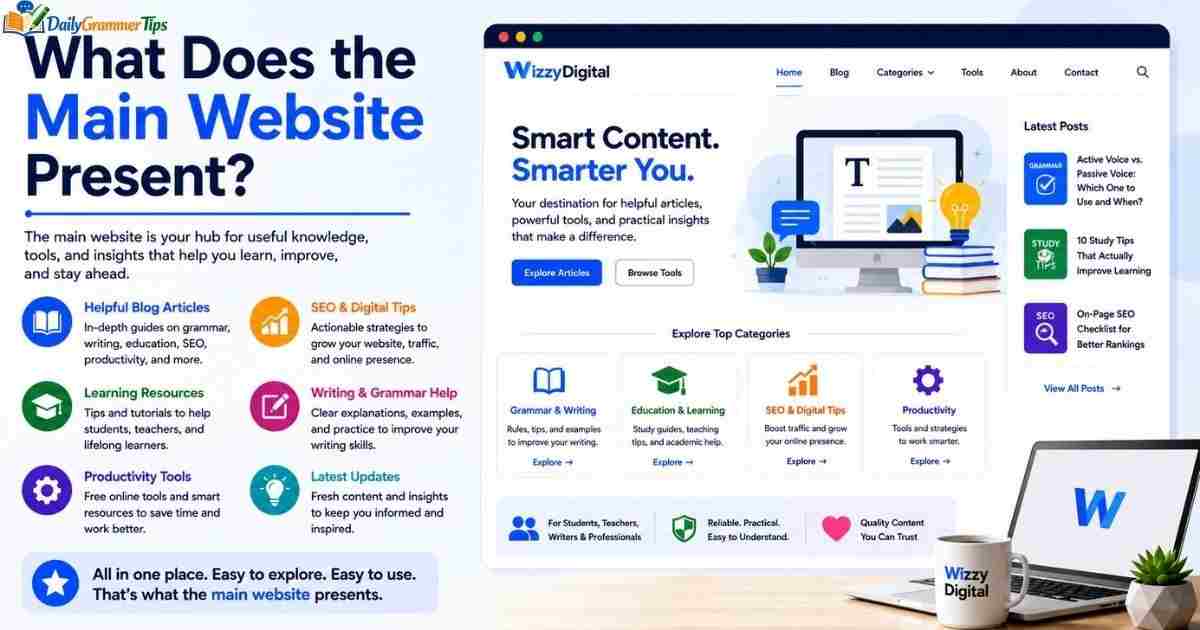
The strongest visible themes around WizzyDigital.org revolve around Web Design, Digital Marketing, SEO, business growth, and related digital subjects.
These areas form the publication’s most recognizable editorial identity.
Blog WizzyDigital.org also reaches beyond those themes. Its wider content stream can contain material connected with software, artificial intelligence, online business, automation, entertainment, financial subjects, digital products, and specialized industries.
That does not necessarily weaken the publication. Many large content websites cover several subjects.
The important issue is editorial consistency.
A website owner researching technical SEO should evaluate technical claims differently from someone reading a basic introduction to content marketing. Likewise, information about financial products or controlled industries demands stronger verification than a simple explanation of website navigation.
Readers should therefore focus on what is actually available rather than accepting broad descriptions such as community hub, universal blogging platform, or professional training network without supporting evidence.
How Is the Homepage Organized?
A broad publication normally uses its homepage as a discovery page rather than as a complete learning pathway.
That appears to be the most useful way to understand the WizzyDigital website.
Visitors may encounter highlighted web design material, SEO articles, digital marketing discussions, technology topics, business information, and selected editorial content.
This structure helps readers discover unfamiliar subjects.
Someone arriving to learn about website speed may also discover conversion optimization. A person reading about search traffic may notice an article about content strategy. A business owner researching web design may learn about CRM tools or automation.
The weakness of this model is equally clear.
Readers looking for one narrow topic can become distracted by unrelated subjects.
For that reason, the homepage is useful for exploration while category archives are often better for focused research.
Why Category Archives Are Useful
Category archives organize related Blog WizzyDigital.org articles into more manageable groups.
Instead of scrolling through a mixed stream of subjects, a reader can focus on SEO, Digital Marketing, or Web Design.
This is particularly useful for marketing beginners because related terminology begins appearing together.
An SEO archive may include topics involving search rankings, broken links, indexing, canonical URLs, internal linking, link building, redirects, local SEO, technical SEO, or off page optimization.
A digital marketing archive may discuss social media, paid advertising, email marketing, analytics, content marketing, affiliate marketing, influencer marketing, customer loyalty, and digital growth.
A web design archive may focus on website speed, mobile responsiveness, website security, UX, technical infrastructure, website development, and conversion related design.
Category archives therefore act like shelves inside a much larger article library.
How Individual Blog Articles Are Structured
Many informational websites use a familiar editorial layout, and Blog WizzyDigital.org follows the same general publishing style across much of its content.
Readers may see a search focused headline, author information, topical categorization, structured headings, explanatory paragraphs, lists, examples, tables, and related content.
This format improves readability because users do not need to read every paragraph in sequence.
A person researching technical SEO may skip introductory material and jump directly to crawling, broken links, redirects, indexing, or canonical URLs.
A business owner studying a digital marketing strategy may move immediately toward lead generation, conversion optimization, analytics, or customer retention.
Formatting, however, should never be confused with authority.
A well organized page can still include weak evidence.
Content quality depends on accuracy, usefulness, transparency, freshness, and real understanding.
What Subjects Does the Publication Cover?
The editorial range extends far beyond one narrow definition of online marketing.
The main subject groups include search engine optimization, digital marketing, web design, website development, artificial intelligence, automation, software, business operations, digital tools, and broader technology.
This wide approach helps Blog WizzyDigital.org attract readers with different goals.
A blogger may visit for SEO strategy.
A founder may research website development.
A marketer may explore affiliate marketing.
A technical manager may investigate automation.
A content creator may search for AI tools.
A local company may want better online visibility.
Understanding the major topic clusters makes the publication easier to use.
Search Engine Optimization
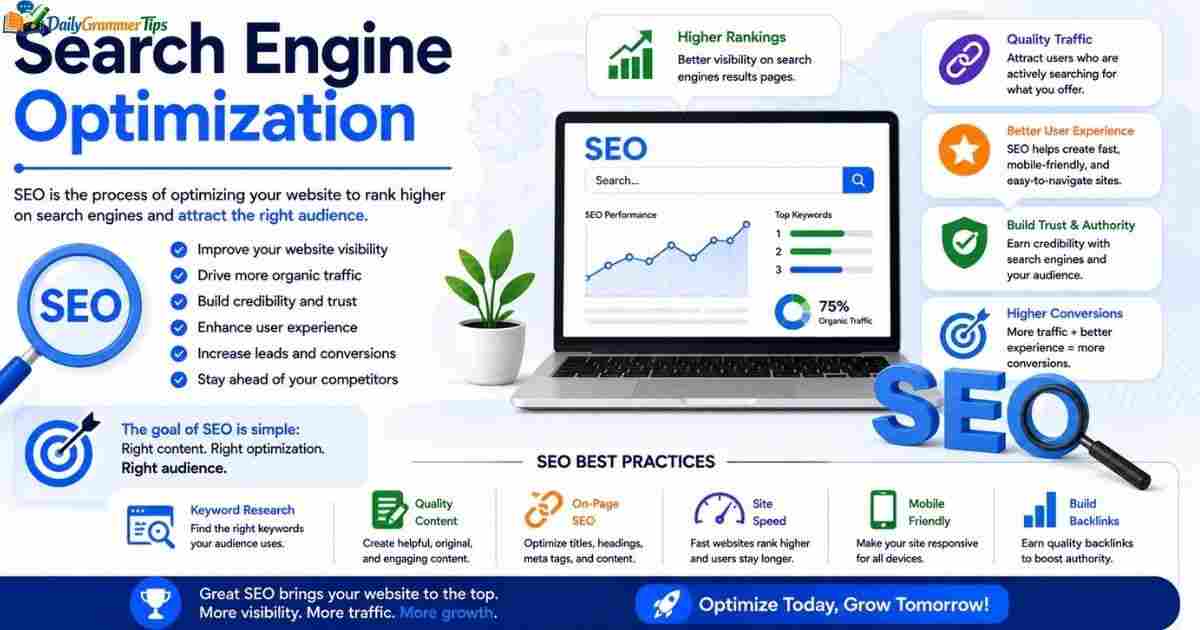
SEO represents one of the clearest themes associated with WizzyDigital.org.
Search engine optimization covers the process of improving how search engines discover, understand, evaluate, and display website content.
The subject includes far more than inserting keywords.
A practical SEO strategy can involve technical SEO, content strategy, search intent, site structure, authority, user experience, internal linking, indexing, website speed, local relevance, and useful information.
Blog WizzyDigital.org articles connected with SEO may help readers understand how these elements work together.
A technically healthy page can still perform poorly if its content fails to answer the query.
Likewise, excellent writing can struggle when search engines cannot crawl or index the page correctly.
Search success depends on several connected systems rather than one trick.
What Can SEO Readers Learn?
Beginners can use SEO articles to understand the vocabulary professionals use during audits and campaigns.
For example, technical crawlers can help identify broken links, incorrect redirects, missing metadata, indexing problems, canonical URLs, weak internal linking, inaccessible pages, and server errors.
Each issue can affect website performance differently.
Broken links create dead ends.
Redirect chains increase unnecessary steps.
Poor indexing prevents important content from entering search results.
Weak internal linking makes useful pages harder to discover.
Incorrect canonical URLs can send confusing signals about preferred versions of content.
These concepts help website owners understand why technical infrastructure matters.
Blog WizzyDigital.org can therefore help readers develop enough knowledge to ask better questions before hiring an SEO provider.
Local SEO and Industry Specific Search
Local SEO focuses on visibility connected with a specific geographic area.
The strategy for a neighborhood service business differs from the approach used by a national software company.
A local business may focus on location relevance, consistent contact details, service pages, customer reviews, geographic landing pages, mobile usability, and accurate business profiles.
A software company may rely more heavily on technical documentation, comparison content, search intent, industry authority, and link building.
Industry context also affects SEO.
Medical information demands stronger expertise and evidence.
Financial content requires careful accuracy.
Business software readers may expect detailed comparisons.
Blog WizzyDigital.org covers enough digital subjects to introduce these differences, but readers should still adapt general advice to their own industry.
When SEO Advice Needs Verification
Search engine optimization changes continuously.
Search systems update. Interfaces change. Search features appear and disappear. Best practices develop as technology and user behavior evolve.
This means SEO articles should not be treated like permanent laws.
When an article discusses a specific ranking change, technical requirement, search interface, or platform rule, compare it with current documentation and real analytics.
Also be careful with absolute language.
Claims that one tactic always increases search rankings are rarely realistic.
A website’s performance depends on competition, technical quality, authority, search intent, market demand, online presence, content quality, and many additional factors.
Blog WizzyDigital.org works best when readers use it to understand concepts and then validate important decisions.
Digital Marketing
Digital marketing covers nearly every online activity used to attract, communicate with, convert, and retain an audience.
That includes SEO, social media, paid advertising, email marketing, content marketing, affiliate marketing, influencer marketing, analytics, automation, and customer loyalty.
A strong digital marketing strategy connects those channels instead of treating each one as an isolated activity.
For example, paid advertising may generate website traffic.
Website design determines whether visitors remain interested.
Content quality affects trust.
Conversion optimization helps turn attention into action.
CRM tools organize leads.
Email marketing can support follow up.
Analytics reveals where the process succeeds or fails.
The digital marketing content associated with WizzyDigital.org can help beginners understand these connections.
Content Strategy and Search Intent
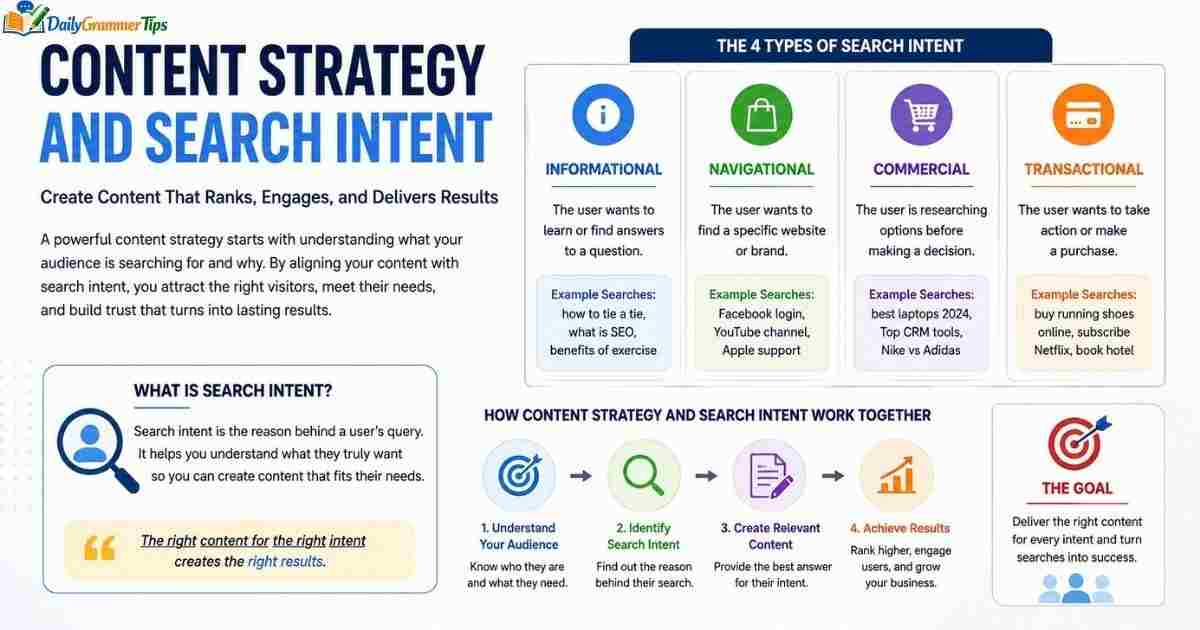
Content strategy decides what should be created, why it should exist, and which audience it should serve.
Search intent helps identify what the reader actually wants.
These concepts belong together.
Consider someone searching for information about email marketing.
A person asking what email marketing means wants education.
Someone searching for the best email marketing platform wants comparison.
A search for a specific platform’s pricing suggests evaluation.
A query about hiring digital marketing services may show commercial intent.
The same broad subject can therefore produce several completely different articles.
Blog WizzyDigital.org content becomes most useful when it recognizes those differences.
Strong content answers the real question before adding extra detail.
Weak content simply repeats the target phrase without solving anything.
Affiliate Marketing and Influencer Marketing
Affiliate marketing allows publishers or creators to receive compensation when readers complete specific actions through tracked referrals.
Influencer marketing relies on creators who promote products, services, or brands to an audience.
Both methods can support digital growth.
They also create potential conflicts of interest.
Readers should therefore examine whether commercial relationships are transparent.
Useful questions include whether the writer explains disadvantages, discusses alternatives, identifies the right audience, and makes financial relationships clear.
The presence of compensation does not automatically make a recommendation unreliable.
Hidden incentives are the bigger problem.
When Blog WizzyDigital.org discusses products, tools, or commercial platforms, readers should separate factual information from promotional language.
Digital Accessibility
Digital accessibility ensures that websites and online services work for people with different needs and abilities.
It is closely connected with user experience, content quality, and website design.
Accessibility may involve readable contrast, logical headings, descriptive text, understandable forms, keyboard access, captions, image descriptions, and clear navigation.
These improvements frequently help everyone.
Clear headings make long pages easier to scan.
Captions can help users in noisy environments.
Simple navigation helps mobile visitors.
Descriptive buttons reduce uncertainty.
Blog WizzyDigital.org can introduce these concepts, but businesses responsible for formal accessibility compliance should seek current specialist guidance where necessary.
Web Design and User Experience
Web design is another major theme connected with WizzyDigital.org.
Modern website design involves much more than selecting attractive fonts and colors.
A successful site must balance visual presentation, user experience, mobile responsiveness, website speed, website security, navigation, accessibility, conversion paths, and technical reliability.
UX describes how people experience the website while trying to complete a task.
Can they find important information?
Can they contact the company easily?
Does the website work properly on mobile devices?
Do forms make sense?
Does the site feel trustworthy?
Does navigation behave consistently?
Blog WizzyDigital.org articles related to design can help website owners understand why these questions matter.
Good Web Design Goes Beyond Visuals
A beautiful website can still perform badly.
Imagine a store with an impressive interior but no clear checkout counter. Customers enter, look around, become confused, and leave.
Websites can create the same problem.
Strong website design guides attention.
Important information should be easy to locate.
Buttons should communicate what happens after a click.
Navigation should feel predictable.
Pages should load quickly.
Mobile layouts should remain usable.
Website security should support customer confidence.
The visual appearance matters, but design must also serve function.
That principle appears throughout the broader web design conversation surrounding WizzyDigital.org.
How Design Influences Decisions
Users make rapid judgments about online businesses.
A visitor may notice whether the site loads smoothly, whether contact information is visible, whether content looks current, whether buttons are clear, and whether pages behave correctly on a phone.
These signals influence trust.
Many visitors never consciously explain why they leave a page.
They simply feel uncertain.
User experience therefore affects conversion optimization.
Good UX reduces friction between the visitor’s goal and the action required to achieve it.
Blog WizzyDigital.org can help business owners recognize these details before they invest in redesign projects.
Website Speed
Website speed affects both usability and digital performance.
Slow pages interrupt attention.
Imagine a customer urgently searching for a local repair service. The visitor opens a landing page, waits several seconds, becomes impatient, and returns to search.
The company has not merely lost website traffic. It may have lost a paying customer.
Landing page speed can therefore influence conversion, customer experience, and search performance.
The correct solution depends on the website.
Image size, hosting, caching, code quality, third party scripts, server response, mobile performance, and technical infrastructure may all contribute.
Blog WizzyDigital.org can introduce speed related ideas, but fixing complicated performance issues may require technical testing.
Website Development and Technical Infrastructure
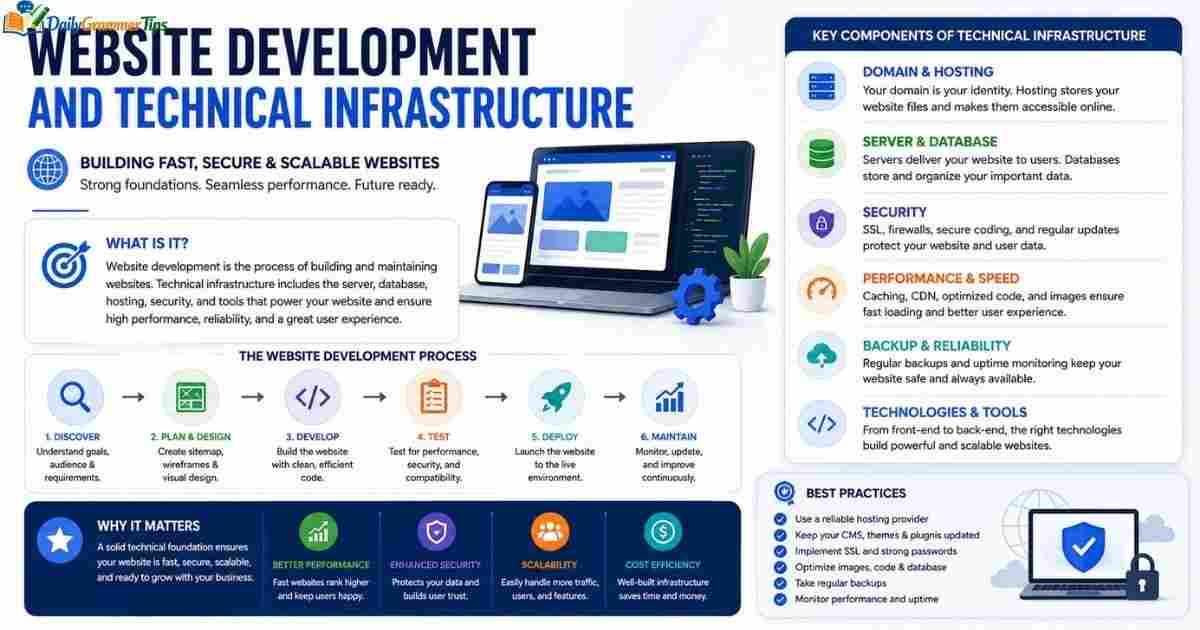
Website development focuses on the systems that make digital experiences work.
This may include frontend technology, backend services, databases, integrations, hosting, testing, APIs, technical infrastructure, application security, and deployment processes.
The wider editorial content associated with WizzyDigital.org may also discuss software teams, custom systems, workflow automation, AI assisted development, and infrastructure decisions.
These topics matter because technology decisions create long term consequences.
A simple marketing website does not require the same architecture as a large online platform.
Businesses should avoid selecting technology only because it sounds modern.
The solution should fit the problem.
Custom Systems and Ready Made Platforms
Businesses often choose between an existing platform and a custom solution.
A ready made system usually offers faster implementation and lower initial complexity.
Custom development provides greater control but often requires more time, planning, testing, technical knowledge, and maintenance.
| Factor | Ready Made Platform | Custom Development | | Initial setup | Usually quicker | Usually takes longer | | Early cost | Often lower | Often higher | | Flexibility | Controlled by platform features | Can match specific needs | | Maintenance | Often shared with vendor | Requires dedicated management | | Integrations | Depends on available connections | Can be designed around requirements | | Growth | Depends on platform limits | Can be planned around expected scale | | Control | Vendor dependent | Greater technical control may be possible |
Blog WizzyDigital.org can help readers understand the basic tradeoff.
The best solution is not automatically the most complicated one.
Understanding Technical Debt
Technical debt appears when teams choose shortcuts that create future work.
Examples include outdated plugins, undocumented code, rushed integrations, duplicate systems, weak testing, inconsistent components, and manual processes that should eventually be automated.
Not every shortcut is irresponsible.
A startup may deliberately choose a temporary solution while testing a new business idea.
The danger appears when temporary decisions become permanent foundations.
As technical debt grows, website development becomes slower and more expensive.
Automation can also become difficult because systems do not communicate properly.
WizzyDigital.org content touching development and technical infrastructure can introduce this concept, while serious architecture decisions still require people who understand the actual system.
Artificial Intelligence and Automation
Artificial intelligence has become part of marketing, software, business operations, content creation, analytics, and customer service.
AI tools can help with research, organization, brainstorming, image creation, workflow automation, development assistance, and data processing.
AI content tools may help writers outline ideas.
Machine learning may help companies identify patterns.
AI assisted development can speed up repetitive programming tasks.
Automation can connect systems that previously required manual effort.
Blog WizzyDigital.org reflects this wider interest in artificial intelligence and digital tools.
However, AI related information requires especially careful freshness checks.
Why AI Information Becomes Outdated
AI technology changes rapidly.
A platform can release a major feature, change its limits, alter pricing, update privacy rules, or replace an entire model within a short period.
For that reason, an AI article can become outdated much faster than a basic explanation of web design principles.
Before choosing AI tools, readers should verify pricing, supported features, privacy terms, usage limits, data handling, export options, commercial rights, accuracy, supported languages, and integration requirements.
Someone discovering a product through WizzyDigital.org should therefore treat the article as the beginning of research rather than the final purchasing decision.
A recent publication date helps, but readers should still check the current product information.
Why Human Responsibility Still Matters
Automation improves speed, but responsibility remains with people.
AI systems can generate convincing information that contains factual errors.
They can misunderstand context.
They may provide outdated instructions.
They can create incorrect calculations or misleading explanations.
Professional sounding language does not guarantee accuracy.
Companies using AI content tools should define where human review is required.
High impact work involving legal decisions, financial information, customer safety, contracts, security, or reputation deserves especially careful oversight.
Blog WizzyDigital.org can explain how artificial intelligence fits within modern digital workflows, but no article should encourage users to remove human judgment from important decisions.
Business Operations and Digital Tools
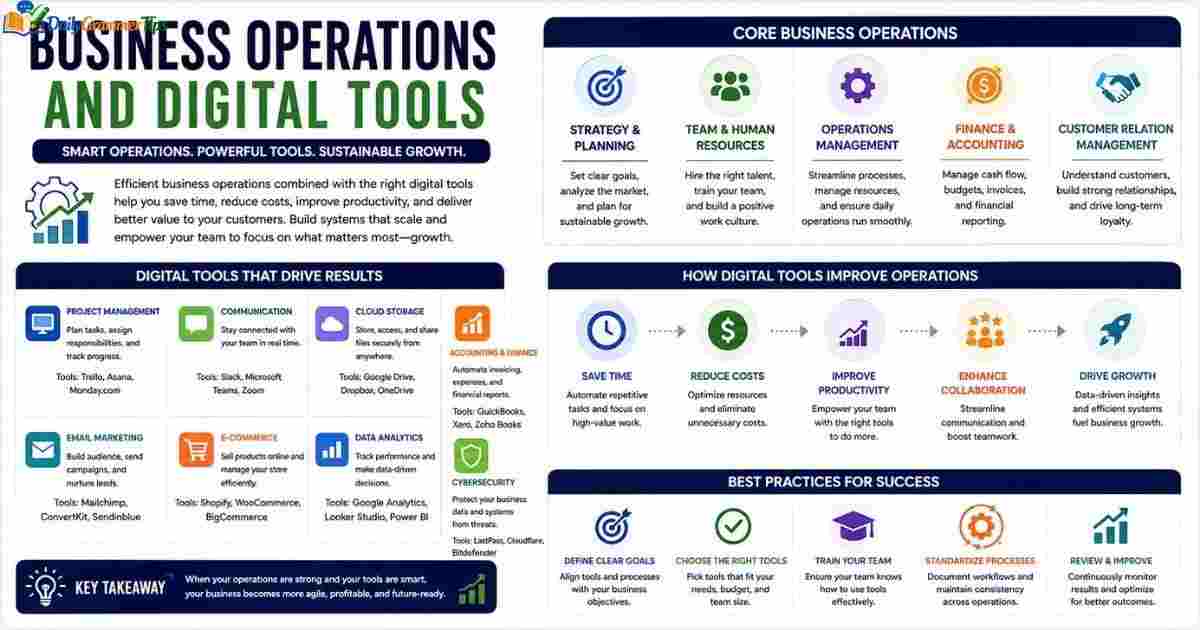
Digital growth depends on more than attracting visitors.
Businesses also need systems for handling customers, communication, sales, data, projects, and daily operations.
Digital tools may include CRM tools, analytics platforms, workflow automation systems, customer support software, sales systems, project management tools, and financial technology.
A company can generate excellent search traffic and still lose revenue if nobody follows up with leads.
CRM tools can help organize contacts, conversations, sales opportunities, and customer history.
Workflow automation can reduce repetitive work.
Analytics can show where customers leave the process.
WizzyDigital.org covers enough business related material to help readers understand that digital strategy extends beyond advertising.
Gaming, Betting, and Controlled Industries
The publication’s broader editorial scope may also include gaming, betting related topics, finance, healthcare, and other regulated or sensitive subjects.
These areas deserve more caution than a general article about website design.
Rules may differ by location.
Age restrictions may apply.
Licensing requirements can change.
Payment systems and customer protections vary.
Users should independently verify legal status, licensing, financial terms, identity requirements, and local rules before acting.
Searching wizzydigital org or posts blog#wizzydigital.org may surface articles that discuss such topics, but the appearance of an article does not prove that every mentioned service is suitable for every reader or jurisdiction.
Promotional language should never replace independent verification.
Why Sensitive Topics Need Stronger Evidence
The potential consequences of incorrect information determine how much evidence readers should demand.
A minor mistake in an article about button placement may cause inconvenience.
A mistake involving financial decisions, healthcare, cybersecurity, or legal requirements can cause much greater harm.
For sensitive topics, Blog WizzyDigital.org should be treated as introductory editorial content rather than a replacement for qualified professional guidance.
Readers may need official authorities, licensed professionals, current regulations, or specialist documentation.
The higher the risk, the stronger the evidence should be.
Evidence Is More Valuable Than Confidence
Strong writing should give readers something they can examine.
Compare an exaggerated statement claiming that a strategy always doubles conversions with a statement explaining what changed, how long a test ran, and what measurable result followed.
The second claim provides context.
Specific numbers do not automatically prove causation, but they give readers something concrete to evaluate.
Reliable editorial content explains conditions, limitations, and uncertainty.
Confident language without supporting information adds little value.
That principle applies to every article on WizzyDigital.org or any other online publication.
Who May Benefit From the Publication?
Different audiences can use the website for different reasons.
Blog WizzyDigital.org may help small business owners learn digital terminology, marketing beginners build foundational knowledge, bloggers discover content strategy ideas, content creators understand SEO, website owners improve UX, and technical professionals discover trends.
The publication becomes most valuable when the reader already knows the problem they want to solve.
Someone who visits without a clear purpose may jump between unrelated topics.
Someone researching one specific business challenge can use the article library much more efficiently.
Small Business Owners
Small business owners often work with agencies, developers, advertising professionals, designers, and SEO consultants.
Basic knowledge makes those conversations easier.
- A business owner who understands local SEO can ask better questions about search visibility.
- Someone familiar with analytics can ask how success will be measured.
- Understanding CRM tools makes it easier to discuss lead follow up.
- Knowing the basics of website speed helps an owner recognize technical problems.
- WizzyDigital.org can provide introductory information that improves these conversations.
- The goal is not to turn every owner into a technical specialist.
- The goal is to help them make more informed decisions.
Relevent Post……Oversite vs Oversight: Meaning, Usage, and Differences
Bloggers and Content Creators
Bloggers and content creators can use digital marketing and SEO material to improve how they plan and distribute content.
Useful concepts include search intent, content strategy, internal linking, affiliate marketing, influencer marketing, social media, AI tools, content quality, and online visibility.
A creator should not simply copy what already exists.
Strong editorial content adds something original.
That might include personal experience, testing, interviews, unique examples, better explanations, original data, or stronger visual presentation.
Blog WizzyDigital.org can provide topic inspiration, but successful creators still need their own perspective.
Marketing Beginners
Marketing beginners often struggle because industry vocabulary appears complicated.
SEO, PPC, conversion optimization, search intent, analytics, customer loyalty, automation, and content marketing can feel like separate worlds.
They are actually connected parts of the same customer journey.
Blog WizzyDigital.org can help beginners build enough vocabulary to understand how traffic becomes attention, attention becomes action, and action becomes customer value.
Reading alone does not create professional experience.
Beginners also need practice, measurement, testing, feedback, and exposure to real campaigns.
Still, clear introductory material can make that learning process easier.
Designers and Website Owners
Website owners can benefit from understanding the relationship between design and business performance.
Useful topics include website speed, mobile responsiveness, website security, accessibility, navigation, UX, hosting, and conversion flow.
A designer may prioritize usability and visual communication.
A business owner may prioritize leads and sales.
Good website design connects both goals.
WizzyDigital.org content can give these groups shared terminology for discussing improvement.
Instead of saying that a page simply feels bad, they can discuss specific issues such as navigation, mobile layout, loading speed, visual hierarchy, or confusing calls to action.
Developers and Technical Teams

Developers may use broad technology publications for discovery rather than deep technical instruction.
Topics involving website development, technical infrastructure, AI assisted development, integrations, automation, application testing, hosting, and digital tools can reveal emerging business needs.
However, production decisions need much more detail.
Developers must consider security, expected traffic, dependencies, maintenance, reliability, team skills, data protection, recovery plans, and system compatibility.
Blog WizzyDigital.org may start a technical conversation.
It should not replace architecture analysis for a real production environment.
Experienced Professionals
Experienced marketers, developers, designers, and business professionals may not need basic explanations.
They may still use the publication for topic discovery, competitor research, product awareness, industry monitoring, or content ideas.
A specialist reading WizzyDigital.org will probably move quickly through introductory sections and focus on claims, examples, data, and original insights.
Experienced readers also tend to check primary sources when an article discusses changing technology, platform policies, or regulated subjects.
This is a useful habit for every reader.
How to Browse the Site More Efficiently
A broad article library becomes easier to use when visitors begin with a question instead of browsing randomly.
Someone searching get wizzydigital.org blog may simply want access to editorial material.
Another person searching start WizzyDigital.org may expect publishing tools.
A reader entering get wizzydigital.org may want general information about the platform.
Knowing the actual goal prevents unnecessary confusion.
The same principle applies once the reader reaches the publication.
Define the problem first.
Then find the closest category and evaluate relevant articles.
Identify the Real Problem
A vague objective produces vague research.
Saying that a business needs more digital marketing does not define the problem.
A clearer goal might involve increasing appointment requests from local search, improving search rankings for service pages, fixing indexing problems, increasing mobile conversion, or organizing customer follow up.
Specific goals make editorial content easier to evaluate.
Blog WizzyDigital.org contains many subjects, so readers need a filter.
The question should determine the article, not the other way around.
Broad Topic Discovery
The broad editorial range allows visitors to move between technical and business topics.
A founder researching website development may discover content marketing.
A marketer reading about search traffic may learn about website security.
A blogger researching SEO may discover artificial intelligence tools.
A small business owner studying local SEO may become interested in analytics.
WizzyDigital.org therefore works well for exploratory learning.
The same broad scope, however, requires readers to remain selective.
Easy Access to Main Categories
Clear categories improve navigation.
Visitors interested in SEO should be able to concentrate on SEO articles.
Readers interested in web design benefit from a dedicated design archive.
Marketing readers can explore topics connected with content strategy, social media, paid advertising, affiliate marketing, influencer marketing, and customer loyalty.
Blog WizzyDigital.org becomes easier to use when visitors rely on category archives instead of the general homepage alone.
Publicly Available Reading
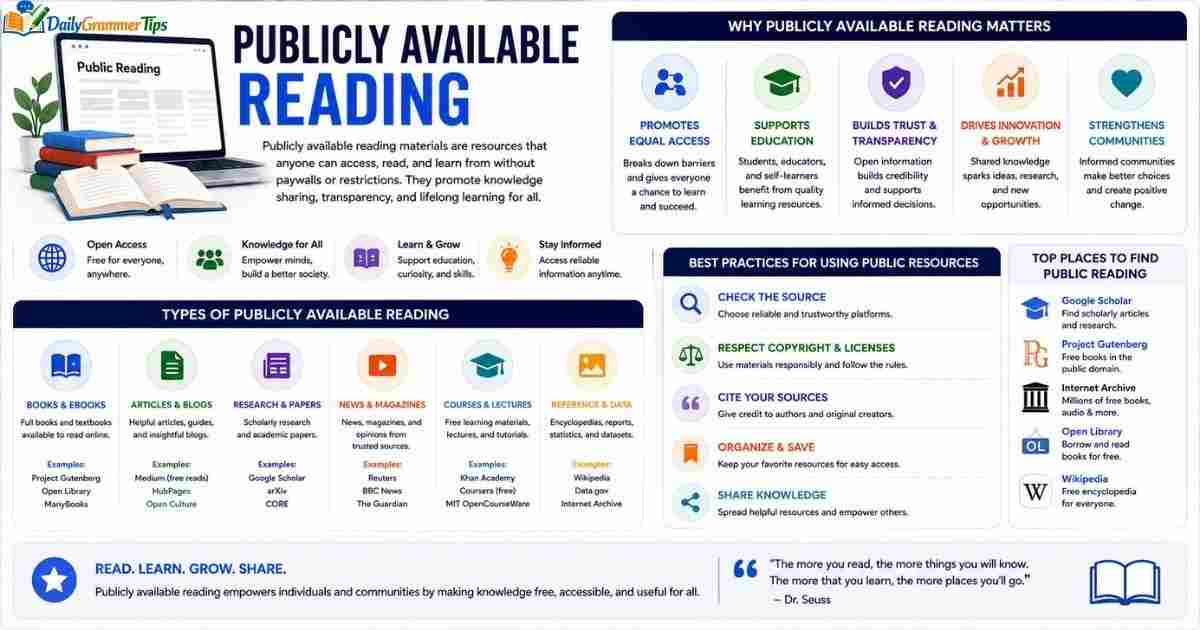
Public access helps readers evaluate an online publication before committing to anything.
They can open blog articles, review editorial content, study category archives, examine topics, and decide whether the information matches their needs.
This is particularly useful for marketing beginners and small business owners who want to understand a subject before contacting a professional.
The accessible nature of WizzyDigital.org also makes it easier to use as a general discovery resource.
Beginner Friendly Explanations
Many digital subjects become easier to understand when writers explain them using practical situations.
A beginner may not immediately understand technical SEO, conversion optimization, canonical URLs, workflow automation, or search intent.
Examples make those ideas more approachable.
Blog WizzyDigital.org can be useful when articles explain complicated subjects using ordinary business problems.
The best educational content helps readers understand what to investigate next rather than overwhelming them with terminology.
Areas That Require Caution
Breadth creates challenges alongside benefits.
A publication that covers web design, marketing, artificial intelligence, business operations, finance, gaming, software, and many specialized subjects cannot automatically demonstrate equal expertise in every category.
Readers should therefore evaluate each article separately.
WizzyDigital.org should not receive unlimited trust simply because another article on the same domain was useful.
Online research works better when users compare evidence instead of trusting brand familiarity alone.
Very Broad Editorial Coverage
A narrow publication can develop deep expertise within one subject.
A broad publication has more opportunities for discovery, but depth may vary.
Blog WizzyDigital.org covers enough different themes that some articles naturally require more specialist knowledge than others.
An introductory explanation of web design can be useful without extensive credentials.
Healthcare, cybersecurity, finance, or legal information requires a much higher standard.
The editorial category should therefore influence how much verification the reader performs.
Different Levels of Content Quality
Not every article on any large publication reaches the same standard.
Readers should evaluate accuracy, clarity, usefulness, originality, evidence, freshness, and balance.
A strong WizzyDigital.org article should clearly explain the subject and avoid unnecessary exaggeration.
Weak material may rely on vague claims, repetitive wording, generic advice, or promotional language.
One weak article does not prove that the entire publication lacks value.
One excellent article does not prove that every other article is equally strong.
Commercial or Promotional Articles
Commercial intent is not automatically a problem.
Businesses publish useful educational content every day.
Affiliate sites can provide excellent comparisons.
Software companies can publish valuable tutorials.
The important issue is transparency.
Readers should watch for excessive praise, unrealistic promises, missing disadvantages, repeated brand mentions, urgency, and recommendations without alternatives.
Blog WizzyDigital.org users should pay particular attention when articles recommend specific digital tools, platforms, products, or services.
Information and promotion can appear in the same article.
The reader’s job is to distinguish them.
Why a Current Year Does Not Guarantee Freshness
A headline containing the current year can create an impression of freshness.
That does not prove every detail was recently checked.
Pricing may have changed.
Features may have disappeared.
A company may have changed ownership.
Platform policies may have been updated.
A digital tool may no longer operate the same way.
Before making important decisions based on WizzyDigital.org content, verify information that can change quickly.
Publication dates provide context, not certainty.
The Weak Approach
The owner could immediately purchase several digital tools, hire the first company making bold promises, redesign the entire website, and expect instant search rankings.
The business might also measure success only through website traffic.
That creates activity without strategy.
More traffic does not automatically mean more customers.
More software does not automatically improve business operations.
More content does not automatically create online visibility.
The owner needs evidence before spending heavily.
The Stronger Approach

A better approach begins with diagnosis.
The owner finds that several important service pages load slowly.
Business information differs across directories.
Mobile visitors cannot easily locate the contact button.
Nobody knows which calls originate from search.
Customer follow up depends on manual notes.
The business then creates a focused plan.
It improves mobile usability, corrects business information, speeds up important pages, tracks calls and forms, organizes leads through CRM tools, and reviews analytics regularly.
Blog WizzyDigital.org has helped the owner understand the available options.
The articles did not make the business decision automatically.
The Main Lesson
Educational content becomes valuable when readers connect it with a measurable problem.
The process should involve research, implementation, measurement, and adjustment.
General advice should become a hypothesis rather than an unquestioned rule.
This is one of the most productive ways to use WizzyDigital.org.
Case Study: A Creator Reviewing AI Tools
Imagine a freelance writer discovering an AI platform through an article.
The product promises faster research and content creation.
Instead of subscribing immediately, the writer investigates privacy terms, pricing, commercial usage rights, accuracy, export options, data retention, and cancellation rules.
The writer then tests the platform on a low risk assignment.
It performs well for brainstorming and outlining but introduces several factual errors.
The creator therefore uses artificial intelligence for idea generation while keeping research, fact checking, and final editing under human control.
Blog WizzyDigital.org may have introduced the tool.
Testing determines whether the tool deserves a permanent place in the workflow.
The Main Lesson
Product discovery and product validation are different activities.
An article can introduce useful software.
Only real testing shows whether it works for a specific user.
The same principle applies to AI tools, CRM tools, marketing software, hosting platforms, and website development services.
Readers should research before purchasing.
How Other Websites Sometimes Describe the Publication
Third party descriptions can create expectations that the main site does not clearly support.
Some pages describe wizzydigital org almost entirely as a marketing resource.
Others make the platform sound like a public blogging community.
Some searches for posts blog#wizzydigital.org may generate pages that interpret the brand in ways that go beyond the visible editorial structure.
These differences explain why readers should investigate the publication directly instead of relying entirely on search snippets.
Overly Narrow Descriptions
Calling the publication only a digital marketing website ignores much of its editorial range.
SEO, website development, web design, artificial intelligence, business operations, software, automation, and other digital topics can all form part of its wider content environment.
Blog WizzyDigital.org therefore fits better within the description of a broad online publication with strong digital themes.
That description allows room for the site’s central subjects without pretending every article belongs to one category.
Claims About Features Without Proof
Search focused articles sometimes describe websites using features that sound attractive but are difficult to verify.
Community forums, workshops, open publishing systems, membership platforms, and creator dashboards are meaningful features only when users can actually access them.
A sentence claiming that something exists does not create the feature.
WizzyDigital.org readers should look for working access points, documentation, registration systems, policies, and current instructions before assuming those services are available.
Unnecessary Generic Sections
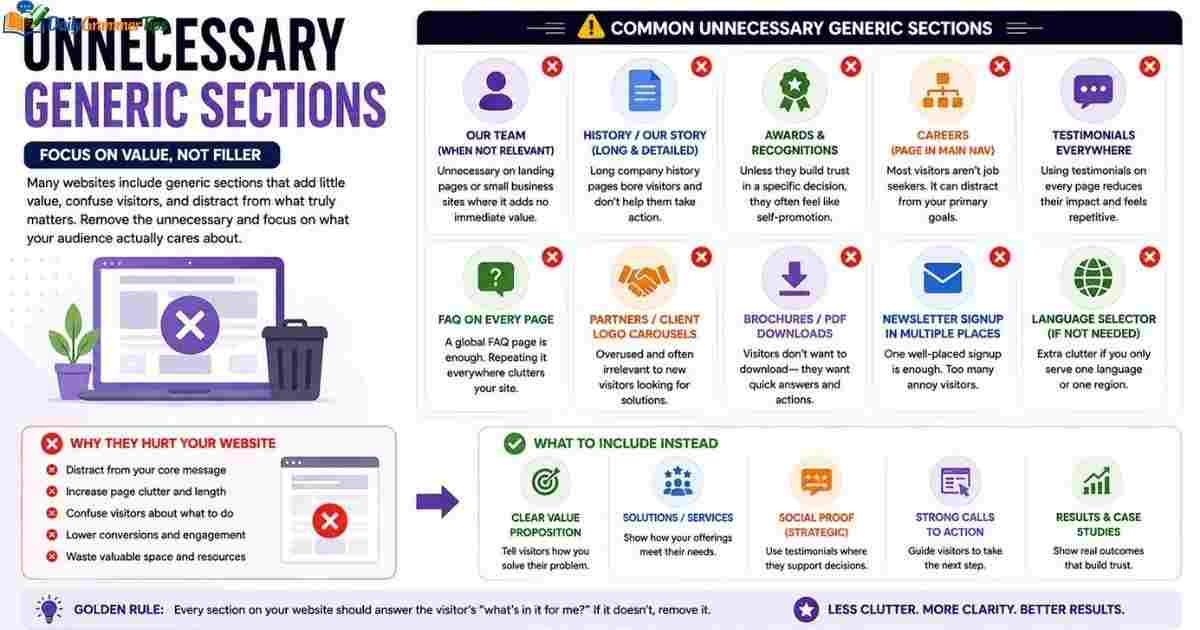
Some competitor style articles become very broad and spend hundreds of words explaining unrelated ideas.
They may discuss why every company needs SEO, why branding matters, how online communication works, or why blogging is important.
Those subjects can be valuable.
They do not necessarily answer questions about Blog WizzyDigital.org itself.
A stronger website review focuses on what readers actually need to know.
That includes editorial scope, article structure, authorship, categories, possible commercial intent, reader suitability, useful features, limitations, and responsible research.
Is the Publication Worth Reading?
Blog WizzyDigital.org can be useful for people exploring SEO, web design, digital marketing, artificial intelligence, business technology, software, automation, and online growth.
Its strongest advantage is discovery.
Readers can move from search engine optimization to content strategy, website speed, UX, CRM tools, analytics, machine learning, or workflow automation.
Its broad scope can help users understand how different parts of digital business connect.
That same breadth creates its main limitation.
Expertise may differ between subjects.
Product information can become outdated.
Commercial articles need closer examination.
Regulated or sensitive topics require independent confirmation.
For these reasons, use WizzyDigital.org as a research starting point rather than treating every statement as unquestionable fact.
Frequently Asked Questions
What is WizzyDigital.org?
WizzyDigital.org is an online publication that covers SEO, digital marketing, web design, AI, software, and business related topics.
Is Blog WizzyDigital.org useful for beginners?
Yes, Blog WizzyDigital.org explains many digital concepts in a simple way, making it useful for beginners, bloggers, and small business owners.
Does WizzyDigital.org cover SEO topics?
Yes, the site discusses technical SEO, local SEO, search intent, indexing, internal linking, website speed, and other search related subjects.
Can I use WizzyDigital.org for digital marketing research?
Yes, you can use it to explore content marketing, social media, paid advertising, analytics, affiliate marketing, and digital growth ideas.
Should I trust every article on WizzyDigital.org?
No, you should still check the article date, author, evidence, and context, especially for fast changing or sensitive topics.
Conculsion
WizzyDigital.org gives readers a useful starting point for exploring SEO, digital marketing, web design, content strategy, artificial intelligence, and website development. Its broad article library can help bloggers, small business owners, content creators, and marketing beginners understand search intent, online visibility, user experience, and other important digital concepts.
Blog WizzyDigital.org works best when readers use its editorial content for learning and discovery rather than accepting every claim without checking it. Review the author, publication date, content quality, and supporting evidence, especially when reading about AI tools, digital services, or rapidly changing technology. This approach helps you turn the WizzyDigital.org blog into a more practical research resource.
Explore Blog WizzyDigital.org for helpful insights on SEO, digital marketing, web design, AI tools, online growth, and practical business strategies.
