

English grammar becomes easier when you understand how different types of words work in sentences. Stative verbs are an important part of grammar because they describe feelings, thoughts, opinions, possession, and conditions rather than physical actions.
Learning these verbs helps English learners create accurate sentences and avoid common mistakes, especially when using tenses. This guide explains their meaning, types, examples, and correct usage in everyday and professional English.
What Are Stative Verbs?
Stative verbs are verbs that describe a state, feeling, thought, opinion, possession, or condition rather than a physical action. They show how someone or something exists, feels, or thinks.
Definition and Meaning of Stative Verbs
Stative verbs are verbs that describe a state, condition, feeling, thought, relationship, possession, or sense rather than an active process.
They focus on how something is, what someone feels, or what someone believes. These verbs usually describe situations that exist over a period of time instead of actions happening at a specific moment.
Examples:
She understands the lesson.
The verb “understands” describes a mental state.
He owns a car.
The verb “owns” shows possession.
I love this song.
The verb “love” expresses an emotion.
Unlike action verbs such as run, write, or build, stative verbs usually do not show movement or a physical activity.
Compare:
John runs every morning.
The verb “runs” describes an activity.
John knows the teacher.
The verb “knows” describes a state of knowledge.
Both sentences contain verbs, but they communicate different types of information.
How Do Stative Verbs Work in Sentences?
Stative verbs usually appear in simple tenses because they describe conditions that are considered stable or ongoing.
The common structure is:
Subject + Stative Verb + Complement/Object
Examples:
She believes the story.
Subject: She
Verb: believes
Object: the story
They need more information.
Subject: They
Verb: need
Object: more information
These verbs often describe situations that do not change quickly.
For example:
I understand the problem.
This means the person has knowledge of the problem.
It does not mean the person is performing a temporary activity of understanding.
Another example:
He owns a house.
Ownership is a state, not an action happening at that exact moment.
Why Are Stative Verbs Important in English Grammar?
Understanding these verbs helps learners create grammatically correct sentences. They are essential because they appear frequently in everyday English.
People use them when they talk about:
- Feelings and emotions
- Personal opinions
- Knowledge and thoughts
- Possessions
- Relationships
- Preferences
Examples:
I prefer tea over coffee.
She remembers my name.
They believe the information.
These sentences are common in conversations, emails, essays, and professional communication.
A common grammar mistake happens when learners use continuous forms incorrectly.
Incorrect:
I am knowing the answer.
Correct:
I know the answer.
The verb “know” describes a state, so the simple present form is normally used.
Understanding these rules helps speakers sound more natural and confident.
Types of Stative Verbs
Stative verbs can be divided into several categories based on the type of state they describe. Each category focuses on a different area of human experience.
Verbs of Emotion and Feelings
Some verbs describe emotions, preferences, likes, dislikes, and personal feelings. These verbs explain how someone feels about a person, object, activity, or situation.
Common examples include:
- Love
- Like
- Hate
- Prefer
- Want
- Need
- Enjoy
- Dislike
Examples:
She loves classical music.
I prefer online learning.
They dislike crowded places.
These verbs help people express personal experiences and opinions.
For example:
I like this book.
This sentence explains a preference.
It does not describe an action happening at the moment of speaking.
Verbs of Thoughts and Opinions
Some stative verbs describe mental activities such as thoughts, beliefs, knowledge, and opinions. These verbs explain what someone knows, understands, remembers, or believes.
Although thinking can feel like an activity, these verbs usually describe a mental state rather than an ongoing process.
Common examples include:
- Know
- Believe
- Understand
- Remember
- Forget
- Mean
- Think
- Agree
- Doubt
- Recognize
Examples:
I know the answer.
The verb “know” describes a state of knowledge.
She believes the information is correct.
The verb “believes” shows an opinion or belief.
They understand the instructions.
The verb “understand” describes a mental condition.
These verbs are commonly used in conversations, education, and professional communication because people often share ideas, opinions, and knowledge.
However, some verbs can change meaning depending on how they are used.
Example:
I think this plan is useful.
Here, “think” expresses an opinion, so it works as a stative verb.
I am thinking about my future.
Here, “thinking” describes an active mental process, so it can appear in a continuous form.
The meaning of the sentence decides whether the verb acts as a state or an activity.
Verbs of Possession
Some verbs describe ownership, relationships, or having something. These verbs explain a state of possession rather than an action.
Common possession verbs include:
- Have
- Own
- Belong
- Possess
- Include
- Contain
Examples:
She owns a small apartment.
The verb “owns” shows possession.
This book belongs to me.
The verb “belongs” explains a relationship between the person and the object.
The package contains important documents.
The verb “contains” describes what is inside something.
These verbs are generally used in simple tenses.
Incorrect:
I am owning a car.
Correct:
I own a car.
Incorrect:
She is having two brothers.
Correct:
She has two brothers.
Possession describes a condition, so these verbs usually do not require continuous forms.
Verbs of Senses and Perception
Some verbs describe how people experience the world through their senses. They explain perception rather than an intentional action.
Common examples include:
- See
- Hear
- Smell
- Taste
- Feel
- Notice
Examples:
I hear music from outside.
The verb “hear” describes a sense experience.
The soup tastes delicious.
The verb “tastes” describes the quality of the soup.
She feels tired today.
The verb “feels” describes a physical or emotional condition.
However, some sense verbs can have different meanings.
Example:
The chef is tasting the food.
Here, “tasting” is an active action because the chef is intentionally checking the flavor.
The food tastes great.
Here, “tastes” describes a state or quality.
The meaning and context determine whether the verb functions as a state or an action.
Stative Verbs vs Action Verbs

Understanding the difference between these two verb categories is important for using correct grammar.
Action verbs describe activities, movements, or processes. They show something happening.
Examples:
- Run
- Write
- Build
- Speak
- Work
Sentence:
She writes an email.
The verb “writes” shows an activity.
Stative verbs describe conditions, feelings, thoughts, or situations.
Examples:
- Know
- Like
- Believe
- Own
- Need
Sentence:
She knows the answer.
The verb “knows” describes a state of knowledge.
The main difference is that action verbs focus on something happening, while these verbs focus on something existing.
Compare:
He is running in the park.
The activity is happening now.
He owns a house.
The ownership is a condition, not an activity.
Can Stative Verbs Be Used in Continuous Tense?
In traditional grammar rules, many stative verbs are not normally used in continuous tenses because they describe stable conditions.
For example:
Incorrect:
I am knowing the answer.
Correct:
I know the answer.
Incorrect:
She is believing you.
Correct:
She believes you.
However, some verbs can be used in continuous forms when their meaning changes.
Verbs With Different Meanings
Think
State meaning:
I think this movie is excellent.
The verb expresses an opinion.
Action meaning:
I am thinking about my career options.
The verb describes an active thought process.
Have
State meaning:
They have a new car.
The verb shows possession.
Action meaning:
They are having dinner.
The verb describes an activity.
Feel
State meaning:
I feel happy today.
The verb describes an emotional condition.
Action meaning:
She is feeling the fabric.
The verb describes a physical action.
See
State meaning:
I see the problem.
The verb means understand.
Action meaning:
I am seeing my doctor tomorrow.
The verb refers to a planned meeting.
English has many flexible verbs that can change meaning based on context. Learning these differences helps learners communicate naturally.
Common Examples of Stative Verbs
Stative verbs appear frequently in everyday English. They help people express feelings, thoughts, ownership, preferences, and conditions.
Learning common examples makes it easier to recognize these verbs and use them correctly.
Here are some frequently used examples:
| Stative Verb | Meaning | Example Sentence |
| Know | Have information or understanding | I know the answer. |
| Believe | Accept something as true | She believes his story. |
| Like | Have a positive feeling | They like this restaurant. |
| Love | Feel strong affection | He loves his family. |
| Need | Require something | We need more time. |
| Want | Desire something | I want a new laptop. |
| Own | Have legal possession | She owns a business. |
| Understand | Know the meaning of something | I understand the lesson. |
| Remember | Keep information in your mind | He remembers my name. |
| Prefer | Choose one thing over another | I prefer tea. |
| Hate | Feel strong dislike | She hates noise. |
| Mean | Have a particular meaning | This word means something different. |
These verbs are common because people regularly talk about their thoughts, emotions, needs, and relationships.
For example:
I need help with this project.
The verb “need” describes a requirement.
She remembers her childhood.
The verb “remembers” describes a mental state.
They prefer online classes.
The verb “prefer” expresses a choice.
Using these verbs correctly helps speakers create natural and accurate sentences.
About Your Research……..Action Verbs: A Complete Guide to Understanding
Complete Categories of Stative Verbs
Instead of memorizing every verb individually, learners can understand them by category.
Emotion and Preference Verbs
These verbs describe feelings, likes, dislikes, and personal choices.
Examples:
- Love
- Like
- Dislike
- Hate
- Prefer
- Enjoy
- Want
- Need
Sentences:
I enjoy learning new languages.
She wants a better solution.
They dislike unnecessary delays.
Mental State Verbs
These verbs describe knowledge, thoughts, beliefs, and understanding.
Examples:
- Know
- Believe
- Understand
- Remember
- Forget
- Doubt
- Suppose
- Recognize
Sentences:
He knows the rules.
I believe your explanation.
She understands the instructions.
Possession and Relationship Verbs
These verbs explain ownership, connection, or belonging.
Examples:
- Own
- Have
- Belong
- Contain
- Include
- Possess
Sentences:
This bag belongs to Sarah.
The box contains books.
They have a beautiful home.
Sense and Appearance Verbs

These verbs describe perception or qualities.
Examples:
- See
- Hear
- Smell
- Taste
- Feel
- Look
- Seem
- Appear
Sentences:
The idea seems interesting.
The cake tastes delicious.
You look tired today.
Common Mistakes When Using Stative Verbs
Many English learners make mistakes because some verbs appear similar to action verbs. Understanding the common errors can improve grammar accuracy.
Using Continuous Tense Incorrectly
One of the most common mistakes is adding “-ing” to verbs that usually describe states.
Incorrect:
I am knowing the answer.
Correct:
I know the answer.
Incorrect:
She is loving this movie.
Correct:
She loves this movie.
The simple present tense is usually preferred because the verb describes a state.
Confusing State and Action Meanings
Some verbs can have both meanings depending on the context.
Example:
I have a car.
Here, “have” shows possession.
I am having lunch.
Here, “having” describes an activity.
Another example:
I see what you mean.
Here, “see” means understand.
I am seeing my friend tomorrow.
Here, “seeing” means meeting.
The meaning of the sentence determines the correct grammar form.
Using the Wrong Verb Form
Subject-verb agreement is important with these verbs.
Incorrect:
She know the answer.
Correct:
She knows the answer.
Incorrect:
They likes the idea.
Correct:
They like the idea.
The verb form must match the subject.
How to Use Stative Verbs Correctly in Writing and Speaking
Using these verbs correctly makes communication more natural. A few simple strategies can help learners avoid mistakes.
Understand the Meaning First
Before choosing a tense, consider what the verb means.
Ask:
Is it describing an activity?
Or is it describing a condition, feeling, thought, or possession?
Example:
I think you are right.
Opinion → simple tense
I am thinking about the problem.
Mental activity → continuous tense
Use Simple Tenses for Permanent Conditions
Many stative verbs describe situations that remain true over time.
Examples:
She lives in London.
He knows the answer.
They own a company.
These sentences describe stable situations.
Learn Common Exceptions
English contains exceptions where some verbs can change meaning.
Examples:
I have a problem.
(State)
I am having a great time.
(Activity)
She feels happy.
(State)
She is feeling the surface.
(Activity)
Learning these differences improves fluency.
Stative Verbs in Academic and Professional English
These verbs are widely used in formal writing because academic and professional communication often focuses on knowledge, opinions, and relationships.
Examples:
Researchers believe the results are significant.
The report includes important information.
The company needs additional resources.
Experts understand the challenges involved.
Professional writers use these verbs to explain:
- Opinions
- Research findings
- Business needs
- Relationships
- Conditions
Correct usage creates a clear and professional tone.
Stative Verbs in Everyday Conversation
People use these verbs frequently in daily conversations because they help express opinions, feelings, needs, and personal situations.
When people talk about themselves or others, they often describe states rather than activities.
Examples:
I know what you mean.
This sentence expresses understanding.
I like your new idea.
This sentence expresses a personal preference.
She wants a different option.
This sentence expresses a desire.
They believe the information is correct.
This sentence expresses an opinion.
These examples show how naturally these verbs appear in regular communication.
Common conversation phrases include:
- I think you are right.
- I understand your point.
- I need some help.
- I remember that day.
- I agree with you.
- I prefer this one.
- I believe it is possible.
Learning these expressions helps English learners communicate more naturally.
Advanced Grammar Rules for Stative Verbs
Although the basic rule is that these verbs are not usually used in continuous forms, English grammar includes several important exceptions.
Understanding these advanced rules helps learners use English more accurately.
Some Stative Verbs Become Action Verbs
Certain verbs can change meaning depending on the situation. When their meaning changes, they may be used in continuous tenses.
For example:
Think
State:
I think this plan will work.
The verb expresses an opinion.
Action:
I am thinking about changing my job.
The verb describes an ongoing mental activity.
Have
State:
She has a new phone.
The verb shows possession.
Action:
She is having breakfast.
The verb describes an activity.
Be
Normally, “be” describes a state.
Example:
He is very patient.
However, it can sometimes describe temporary behavior.
Example:
You are being rude.
Here, “being” describes behavior happening at the moment.
Context Determines the Correct Form
The meaning of a sentence decides whether a continuous form is acceptable.
Compare:
The soup tastes amazing.
The verb describes the quality of the soup.
The chef is tasting the soup.
The verb describes an action performed intentionally.
Another example:
The dress fits perfectly.
The verb describes a condition.
The tailor is fitting the dress.
The verb describes an active process.
English learners should focus on meaning rather than only memorizing rules.
Stative Verb Exercises With Examples
Practicing sentences helps learners understand how these verbs work.
Choose the correct form:
Example 1
Incorrect:
I am believing your story.
Correct:
I believe your story.
Reason:
“Believe” describes an opinion or mental state.
Example 2
Incorrect:
She is owning a restaurant.
Correct:
She owns a restaurant.
Reason:
“Own” describes possession.
Example 3
Incorrect:
They are knowing the answer.
Correct:
They know the answer.
Reason:
“Know” describes knowledge.
Example 4
Incorrect:
He is wanting a new computer.
Correct:
He wants a new computer.
Reason:
“Want” describes desire.
Example 5
Incorrect:
I am understanding the lesson.
Correct:
I understand the lesson.
Reason:
“Understand” describes comprehension.
Difference Between Stative Verbs and Dynamic Verbs
Dynamic verbs are another name for action verbs. They describe activities, processes, or events that can change over time.
Examples of dynamic verbs:
- Run
- Write
- Build
- Talk
- Learn
- Work
Examples of stative verbs:
- Know
- Like
- Believe
- Own
- Need
- Understand
Comparison:
She writes an email.
Dynamic verb because writing is an activity.
She knows the answer.
Stative verb because knowing is a mental condition.
Dynamic verbs often work well in continuous tenses:
She is writing an email.
Stative verbs usually stay in simple tenses:
She knows the answer.
Understanding this difference improves grammar accuracy and sentence formation.
Tips to Remember Stative Verbs Easily
Learning these verbs becomes easier when you focus on their meaning.
Here are some useful tips:
Think About the Type of Information
Ask yourself what the verb describes.
Does it show:
- An action?
- A feeling?
- A thought?
- Ownership?
- A condition?
If it describes a state, it is likely a stative verb.
Avoid Adding “-ing” Automatically
Many learners add “-ing” whenever they want to describe something happening. However, not every verb works this way.
Incorrect:
I am needing help.
Correct:
I need help.
The verb “need” describes a condition.
Pay Attention to Meaning Changes
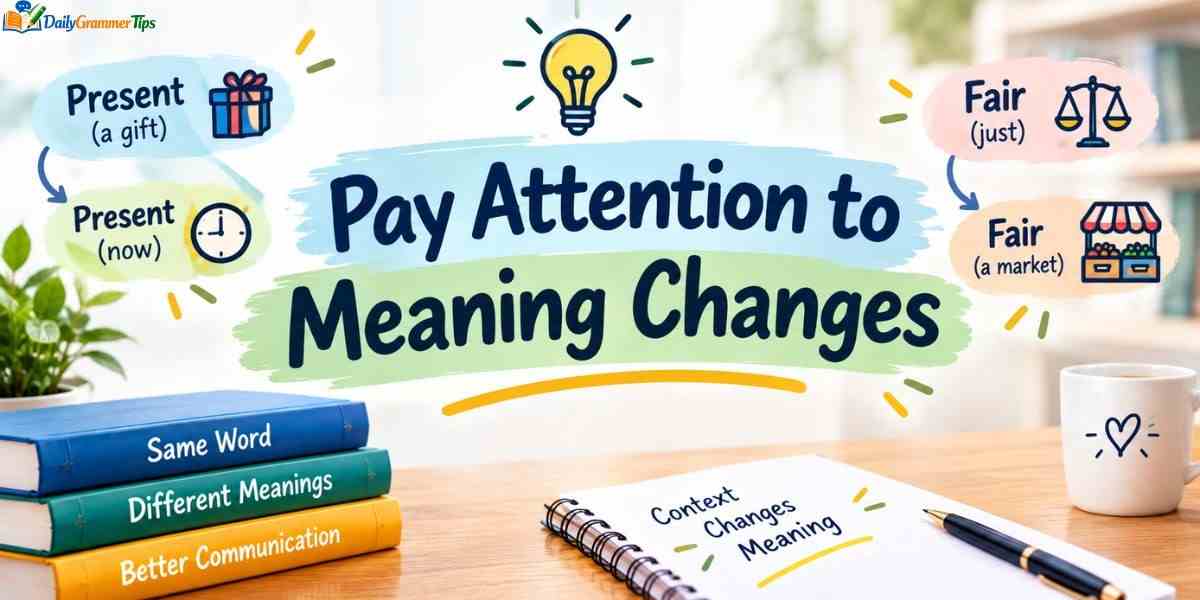
Remember that some verbs have two uses.
Example:
I have a car.
Possession.
I am having dinner.
Activity.
The meaning changes the grammar pattern.
Frequently Asked Questions
What are stative verbs?
Stative verbs describe states, feelings, thoughts, possession, and conditions instead of physical actions.
Can stative verbs be used in continuous tense?
Most stative verbs are not usually used in continuous tense, but some can be used when their meaning changes.
Is “know” a stative verb?
Yes, “know” is a stative verb because it describes a state of knowledge.
What is the difference between stative and action verbs?
Stative verbs describe conditions, while action verbs describe activities or processes.
Why do learners make mistakes with stative verbs?
Learners often confuse them with action verbs and use continuous forms incorrectly.
Conclusion
Stative verbs help us express thoughts, emotions, relationships, and conditions clearly. They are different from action verbs because they describe states instead of activities.
Understanding their rules and common exceptions improves grammar accuracy and makes English communication more natural. With regular practice, learners can use these verbs confidently in speaking and writing.
