

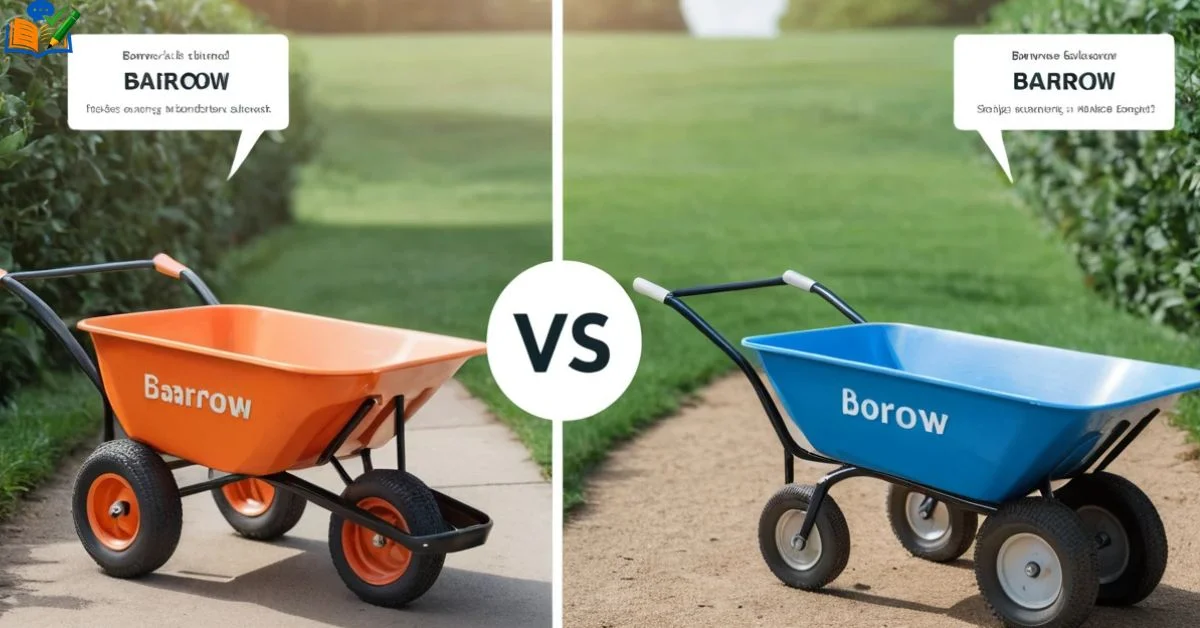
English hides a lot of small traps, and Borrow vs Barrow is one of them. The two words look almost the same on paper, they sound close when you say them fast, and yet they mean nothing alike. If you have ever paused mid-sentence wondering which spelling you actually need, you are not alone this mix-up trips up learners and native speakers alike.
The confusion usually comes down to one letter. Swap an “o” for an “a” and you move from an action to an object. That single letter changes everything, which is exactly why Borrow vs Barrow keeps showing up in grammar guides, writing forums, and autocorrect fails.
This guide breaks the Borrow vs Barrow pair apart clearly what each word means, how to use it correctly, why people keep confusing them, and a few memory tricks that actually stick.
What Does “Borrow” Mean?
Understanding Borrow vs Barrow starts with the verb itself. Borrow means you take something from another person for a while, and you plan to give it back. Nothing about “borrow” implies ownership it always carries the idea of returning what you took.
Common Situations Where People Use Borrow
You will hear this word constantly in everyday life, especially around:
- Money
- Books
- Tools
- Clothes
- Class notes
- Household items
Borrow in Real Sentences
- Can I borrow your charger for ten minutes?
- She borrowed a novel from the library last week.
- He had to borrow cash to cover the repair bill.
Notice the pattern: someone takes, uses, then returns. That cycle is the entire meaning packed into one word.
Read Also: Dought vs Doubt: Meaning, Difference & Which Word Is Correct?
What Does “Barrow” Mean?
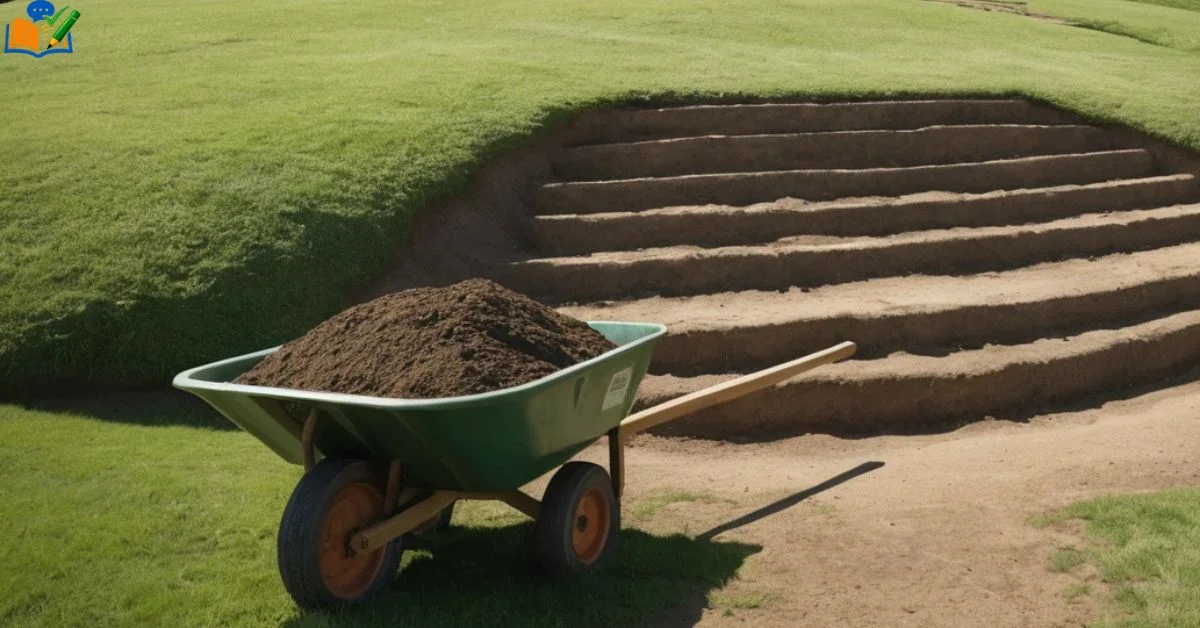
The second half of Borrow vs Barrow is trickier. Barrow doesn’t show up nearly as often as borrow, but it still carries two distinct meanings, and both are worth knowing.
1. A Cart or Wheelbarrow
In gardens, farms, and construction sites, a barrow is a small hand-pushed cart used to move heavy or bulky material.
- The landscaper wheeled the barrow full of gravel to the flower bed.
- Workers loaded the wheelbarrow with bricks before hauling them uphill.
2. An Ancient Burial Mound
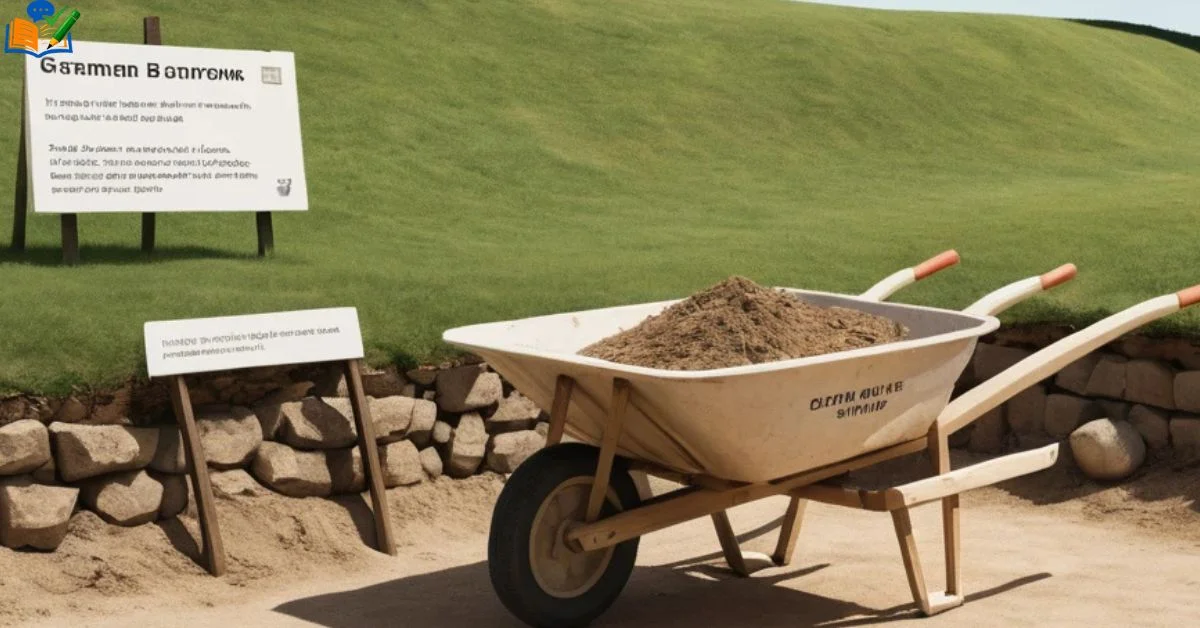
In archaeology, a barrow is a raised mound of earth or stone built over a grave, often dating back thousands of years.
- The barrow on the hillside turned out to be a Bronze Age burial site.
- Historians have mapped dozens of ancient barrows across the region.
Because “barrow” rarely comes up outside gardening or history, people fall back on the more familiar “borrow” even when it’s the wrong word. This gap in exposure is exactly why Borrow vs Barrow trips up so many writers.
Borrow vs Barrow Explained Simply
Once you strip away the confusion, Borrow vs Barrow becomes a fairly simple split:
- Borrow = an action you take something temporarily and give it back.
- Barrow = a thing either a cart or a burial mound.
One is a verb describing what you do. The other is a noun describing what exists. Keep that split in mind, and Borrow vs Barrow stops being a puzzle.
Why People Mix Up Borrow and Barrow
A few habits explain why the Borrow vs Barrow mix-up happens so often.
They Sound Alike
Depending on your accent or how quickly you’re speaking, borrow and barrow can blur together almost completely.
Only One Letter Separates Them
Change a single vowel and you land on a completely different word. That makes typos incredibly easy, especially when typing fast.
Barrow Just Isn’t Used Much
Most people say “borrow” dozens of times a week. “Barrow” only comes up in gardening chats or history lessons, so it never becomes second nature.
Autocorrect Doesn’t Always Catch It
Since both spellings are valid English words, spell-checkers won’t flag anything the mistake slides right through, which keeps the Borrow vs Barrow confusion alive even in polished writing.
How to Remember Borrow vs Barrow for Good
A couple of quick mental tricks make Borrow vs Barrow much easier to keep straight for good.
Borrow Rhymes With “Owe”
When you borrow something, you owe it back. That little rhyme is enough to lock the meaning in place.
Barrow Hides the Word “Arrow”
Picture a wheelbarrow rolling forward like an arrow shooting across a lawn. Once you see that image, the spelling sticks.
Borrow in Everyday Life

At School
- Students often borrow textbooks they can’t afford to buy.
- I borrowed a calculator during my exam because mine died.
In Money Matters
- Small businesses regularly borrow funds to cover startup costs.
- She avoided borrowing more than she could comfortably repay.
Among Friends and Family
- Can I borrow your umbrella? It’s pouring outside.
- He borrowed his sister’s laptop for the weekend.
Borrow shows up in nearly every corner of daily conversation, which is exactly why getting the Borrow vs Barrow distinction right matters.
Barrow in Everyday Life
In the Garden
- She pushed a barrow loaded with soil across the yard.
On a Construction Site
- The crew filled the wheelbarrow with cement and rolled it to the mixer.
In Historical Writing
- Archaeologists in England have uncovered burial barrows dating back centuries.
These examples make it clear how niche and specific barrow really is compared to its everyday cousin another reminder of why Borrow vs Barrow leans so heavily on context.
Common Mistakes People Make
Writers swap Borrow vs Barrow far more often than you’d expect.
Wrong: Can I barrow your pen? Right: Can I borrow your pen?
Wrong: He pushed a borrow full of leaves. Right: He pushed a barrow full of leaves.
Small as they look, these slip-ups can make a sentence feel careless or confusing to a reader.
Does Barrow Relate to Wheelbarrow?
Yes directly. “Wheelbarrow” is simply “barrow” with “wheel” attached, and it’s the version most people actually use today. A wheelbarrow is:
- a hand-pushed cart
- typically built with one front wheel
- designed to carry heavy, awkward loads
Say “barrow” alone in casual conversation, and most people will assume you mean “wheelbarrow” anyway one more layer to keep in mind when sorting out Borrow vs Barrow.
Grammar Notes: Borrow
Part of mastering Borrow vs Barrow is knowing how each word behaves grammatically. Borrow works as a verb, and it flexes into several forms:
- borrowing (present participle)
- borrowed (past tense)
- borrower (the person doing the borrowing)
Examples:
- I borrowed my neighbor’s ladder last summer.
- She’s borrowing a dress for the wedding.
Grammar Notes: Barrow
Barrow stays a noun. It doesn’t shift into a verb in modern English.
Examples:
- The barrow sat empty by the shed.
- Tourists climbed the old burial barrow to take photos.
Words That Mean the Same as Borrow
- take temporarily
- obtain
- use
- rent
- receive
Words That Mean the Same as Barrow
- cart
- wheelbarrow
- handcart
- burial mound
- earth mound
Why Getting Borrow vs Barrow Right Actually Matters
A single wrong letter can throw off an entire sentence. “Can I barrow your book?” reads as a typo, not a request. “Can I borrow your book?” reads naturally and lands exactly as intended.
Choosing the right word between borrow or barrow isn’t just about grammar rules it affects how clear, professional, and trustworthy your writing sounds. Whether you’re texting a friend or drafting a report, nailing Borrow vs Barrow keeps your message sharp.
Borrow Meaning
Borrow ka simple matlab hai kisi cheez ko thodi der ke liye lena, is intention ke saath ke aap wo wapas kar denge. Yeh word zyada tar tab use hota hai jab baat money, books, tools ya kisi bhi aisi cheez ki ho jo permanently aapki nahi hai. Jab koi kehta hai “I borrowed his car,” iska matlab hai unhone car temporarily use ki aur phir wapas kar di ownership kabhi transfer nahi hoti. Yehi wajah hai ke borrow ek action word hai, jo hamesha kisi na kisi return ke saath juda hota hai.
Roz marra ki zindagi mein yeh word itni asaani se use hota hai ke log iski grammar par zyada dhyan nahi dete. School mein students notes borrow karte hain, offices mein log stationery borrow karte hain, aur ghar mein bhi chhoti moti cheezein jaise charger ya umbrella aksar borrow ki jati hain. Is word ki popularity hi wajah hai ke jab log “barrow” likhna chahte hain, unki ungliyan automatically “borrow” type kar deti hain, kyunke dimag isi word ka zyada aadi hota hai.
Borrow vs Lend
Yeh dono words aksar sath mein confuse ho jate hain kyunke dono hi “temporary giving or taking” se related hain lekin direction ulti hoti hai. Jab aap kisi se cheez lete hain to aap “borrow” karte hain, aur jab aap kisi ko apni cheez dete hain to aap “lend” karte hain. Misal ke taur par, agar Ali ne Sara se pen liya, to Ali ne pen borrow kiya aur Sara ne pen lend kiya same transaction, do alag perspectives. Yeh farq samajhna zaroori hai kyunke bahut se log in dono words ko galti se ek dusre ki jagah use kar dete hain, jo sentence ka meaning completely reverse kar deta hai.
Banking aur finance ki duniya mein yeh farq aur bhi zyada matter karta hai. Bank customers ko paisa “lend” karta hai, jabke customer bank se paisa “borrow” karta hai dono terms same transaction ko describe karte hain lekin alag angle se. Agar aap yeh mix up kar dein, jaise “the bank borrowed me money,” to sentence grammatically galat ho jata hai aur professional writing mein aisi mistake credibility kam kar sakti hai.
Barrow Meaning
Barrow ka meaning borrow se bilkul mukhtalif hai, aur yeh word noun ki tarah kaam karta hai, verb ki tarah nahi. Sab se common use mein, barrow ek chhota hand-cart hota hai jise aksar wheelbarrow kaha jata hai jo garden ya construction site par heavy cheezein carry karne ke liye use hota hai. Iske ilawa, history aur archaeology mein barrow ek purani burial mound ko bhi refer karta hai, jahan ancient logon ko dafnaya jata tha. Dono meanings alag context mein use hote hain, lekin dono hi ek physical object ki taraf ishara karte hain kabhi bhi kisi action ko nahi.
Chunke barrow roz marra ki conversation mein kam hi use hota hai, iski spelling aur pronunciation bhi kam familiar rehti hai yehi wajah hai ke log ise likhte waqt galti se “borrow” likh dete hain. Gardening enthusiasts aur history lovers ke liye yeh word bilkul normal hai, lekin ek average reader ke liye barrow ek unusual ya unfamiliar word lag sakta hai jab tak wo iska context na samjhe.
FAQS
What is the difference between borrow and barrow?
Borrow ek verb hai jiska matlab hai kisi cheez ko temporarily lena aur wapas karna. Barrow ek noun hai jo cart ya burial mound ko refer karta hai dono words ka meaning aur use bilkul alag hai.
Is it barrow or borrow?
Yeh depend karta hai ke aap kya kehna chahte hain agar baat kisi cheez ko temporarily lene ki hai to “borrow” sahi hai. Agar baat cart ya burial mound ki hai to “barrow” hi correct word hoga.
What is the difference between borrow and burrow?
Borrow ka matlab hai kisi cheez ko lena aur wapas dena, jabke burrow ek noun hai jo jaanwaron ke zameen ke andar bane hue ghar ya bill ko refer karta hai. Yeh dono words spelling mein close hain lekin meaning bilkul unrelated hai.
Can I barrow meaning?
Yeh sentence grammatically galat hai kyunke “barrow” ek noun hai, verb nahi. Sahi sentence hoga “Can I borrow” jaise “Can I borrow your pen?”
What is a barrow used for?
Barrow zyada tar ek hand-cart ke tor par use hota hai, jise gardening ya construction sites par heavy material carry karne ke liye push kiya jata hai. Iske ilawa, history mein barrow ek ancient burial mound ko bhi describe karta hai jahan log dafnaye jate the.
Conclusion
At the end of the day, Borrow vs Barrow isn’t complicated once the meanings click. Sorting out Borrow vs Barrow gets easy once you remember they belong to two completely different categories. Borrow is something you do take, use, return. Barrow is something that exists a cart you push or a mound you dig into for history.
The spellings sit close together, and the sounds overlap in casual speech, but context always gives the answer away. Next time you’re stuck choosing between barrow vs borrow, picture the action versus the object, and the right word will come naturally.
If word pairs like this trip you up often, it’s worth spending a little time with more commonly confused English words the patterns repeat, and once you spot them, mix-ups like borrow or barrow become a thing of the past.
