

Computers have become an important part of everyday life. People use them for work, education, communication, shopping, entertainment, and managing personal information. However, when a computer becomes slow, stops working properly, or shows confusing errors, it can interrupt your daily activities.
Computer tech help provides guidance, troubleshooting, and support to solve technology problems and keep devices working properly. It can include fixing software errors, removing security threats, improving computer speed, setting up devices, and explaining technical issues in simple language.
What Is Computer Tech Help?
Computer tech help refers to professional or personal assistance that helps users solve computer-related problems. It includes troubleshooting, maintenance, repairs, software installation, security support, and technical guidance.
Many people think computer problems always require expensive repairs, but many issues can be solved with simple steps. For example:
- A slow computer may need software cleanup.
- Internet problems may require network troubleshooting.
- Storage problems may be solved by removing unnecessary files.
- Security issues may require updated protection tools.
- Software errors may require updates or reinstallations.
Computer tech help is designed to make technology easier for everyone, including beginners who may not have technical knowledge.
Why People Need Computer Tech Help
Modern computers are powerful, but they are also complex. Operating systems, applications, internet connections, security settings, and hardware components all work together. A small problem in one area can affect the entire system.
Here are some common reasons people look for computer tech help:
1. Slow Computer Performance
A slow computer is one of the most common technology complaints. Users may experience:
- Long startup times
- Programs freezing
- Slow internet browsing
- Delayed responses
- Frequent crashes
Several factors can cause slow performance, including:
- Too many background programs
- Limited storage space
- Outdated software
- Malware or unwanted applications
- Aging hardware
A computer technician can identify the cause and recommend the right solution
2. Software Installation Problems
Installing software sounds simple, but problems can happen during installation.
Common software issues include:
- Installation errors
- Compatibility problems
- Missing files
- Program crashes
- Update failures
Computer tech help can assist with installing applications correctly and making sure they work with your system.
3. Virus and Security Problems
Online threats continue to affect computer users. Malware, phishing attempts, and unsafe downloads can put personal information at risk.
Signs of possible security problems include:
- Unexpected pop-ups
- Unknown programs appearing
- Slow performance
- Browser changes
- Suspicious emails
Computer support professionals can help identify security issues and improve device protection.
Common Computer Problems and Simple Solutions
Many everyday computer issues have simple fixes. Before contacting technical support, users can try basic troubleshooting steps.
Restart Your Computer
Restarting is one of the easiest solutions for many temporary problems.
A restart can:
- Clear temporary system errors
- Refresh memory usage
- Complete pending updates
- Restart important services
If your computer is acting strangely, restarting should often be your first step.
Check for Software Updates
Outdated software can create performance and security problems.
Regular updates help improve:
- System stability
- Security protection
- Software compatibility
- Performance
Enable automatic updates whenever possible to keep your computer protected.
Free Up Storage Space
A full hard drive can slow down computer performance.
You can improve storage by:
- Removing unused applications
- Deleting temporary files
- Moving large files to external storage
- Organizing downloads
Keeping enough free space helps your computer operate more efficiently.
How to Speed Up a Slow Computer
A slow computer can affect productivity and create unnecessary frustration. Fortunately, several methods can improve performance.
Remove Unnecessary Programs
Many computers contain programs that are rarely used. These applications may run in the background and consume system resources.Review installed programs and remove software you no longer need.
Manage Startup Applications
Some programs automatically start when you turn on your computer. Too many startup applications can increase boot time.
You can improve startup speed by:
- Opening startup settings
- Reviewing applications that launch automatically
- Disabling unnecessary programs
- Restarting your computer
Upgrade Hardware When Needed
Sometimes software improvements are not enough. Older computers may need hardware upgrades.
Common upgrades include:
- Adding more memory (RAM)
- Replacing an old hard drive with a faster storage drive
- Improving cooling systems
- Replacing outdated components
A computer technician can help determine whether upgrading or replacing a device makes more sense.
Computer Security: Protecting Your Device and Data

Security is an important part of computer tech help. Computers store valuable information, including personal documents, financial details, photos, and business files.
Following basic security practices can reduce risks.
Use Strong Passwords
Strong passwords should:
- Be unique for each account
- Avoid personal information
- Include different characters
- Be updated when necessary
A password manager can help users organize multiple secure passwords.
Keep Security Software Updated
Security tools work best when they receive regular updates. Updated protection helps detect newer threats.
Users should regularly update:
- Antivirus software
- Operating systems
- Browsers
- Applications
Avoid Suspicious Link
Many security problems begin with unsafe links or attachments.
Be careful with:
- Unknown emails
- Unexpected messages
- Fake login pages
- Suspicious downloads
When unsure, verify the source before clicking.
Computer Tech Help for Software Issues
Software problems are among the most common reasons people search for computer tech help. Applications, operating systems, drivers, and settings all need to work together correctly. When one part stops working, it can affect the entire computer experience.
Common software-related problems include:
- Programs not opening
- Applications freezing
- Error messages appearing
- Operating system problems
- Missing files
- Update failures
- Compatibility issues
Understanding basic troubleshooting steps can help users solve many problems quickly.
Fixing Programs That Stop Responding
A frozen program can happen because of low memory, software conflicts, or temporary errors.
When an application stops responding, try these steps:
1. Wait a Few Moments
Sometimes a program appears frozen while completing a large task. Waiting briefly may allow it to recover.
2. Close and Reopen the Application
Closing the program and opening it again can remove temporary issues.
3. Restart the Computer
A restart can refresh system resources and fix background problems.
4. Update the Software
Developers regularly release updates that fix bugs and improve compatibility.
If the problem continues, computer tech help may be needed to identify deeper issues.
Operating System Problems and Solutions
The operating system controls how your computer works. Popular operating systems include Windows and macOS.
Operating system problems may include:
- Slow startup
- System crashes
- Failed updates
- Driver problems
- Missing features
Basic solutions include:
- Installing available updates
- Checking storage space
- Running system repair tools
- Removing conflicting software
- Checking hardware health
Professional support can help when system errors become complicated.
Internet and Wi-Fi Troubleshooting

Internet problems are another common reason people need computer tech help.
A computer may have internet issues because of:
- Router problems
- Weak Wi-Fi signals
- Incorrect network settings
- Outdated drivers
- Service interruptions
Try these simple steps:
Restart Your Router
Turning the router off for a short time and restarting it can solve many temporary connection issues.
Check Other Devices
If other devices also cannot connect, the problem may be with the internet connection rather than the computer.
Update Network Drivers
Old network drivers can affect connection reliability.
Move Closer to the Router
Distance and physical barriers can reduce Wi-Fi strength.
Printer and Device Setup Help
Printers, scanners, webcams, and other accessories can sometimes create problems.
Common device issues include:
- Printer not detected
- Missing drivers
- Connection errors
- Poor print quality
- Setup difficulties
Computer tech help can assist with:
- Installing drivers
- Connecting devices
- Fixing communication errors
- Configuring settings
Many users experience frustration because hardware setup instructions can be confusing. A technician can simplify the process.
Learn more………..Tech Computer Science Ranking: Top Universities and Global
Hardware Problems That Need Expert Support
While many software issues can be fixed at home, hardware problems often require professional assistance.
Computer hardware includes physical components such as:
- Processor
- Memory
- Storage drive
- Motherboard
- Screen
- Keyboard
- Battery
- Cooling system
Signs Your Computer Has Hardware Issues
Hardware problems may show different warning signs.
Common examples include:
Strange Noises
Clicking sounds, unusual fan noise, or repeated sounds may indicate hardware problems.
Overheating
A computer that becomes extremely hot may have cooling issues.
Possible causes include:
- Dust buildup
- Fan problems
- Poor airflow
- Heavy system usage
Unexpected Shutdowns
Random shutdowns may happen because of:
- Power problems
- Hardware failures
- Overheating
- Damaged components
Screen Problems
Display issues may include:
- Flickering
- Blank screens
- Distorted images
- Connection problems
A qualified technician can test hardware components and recommend repairs.
Laptop Computer Tech Help
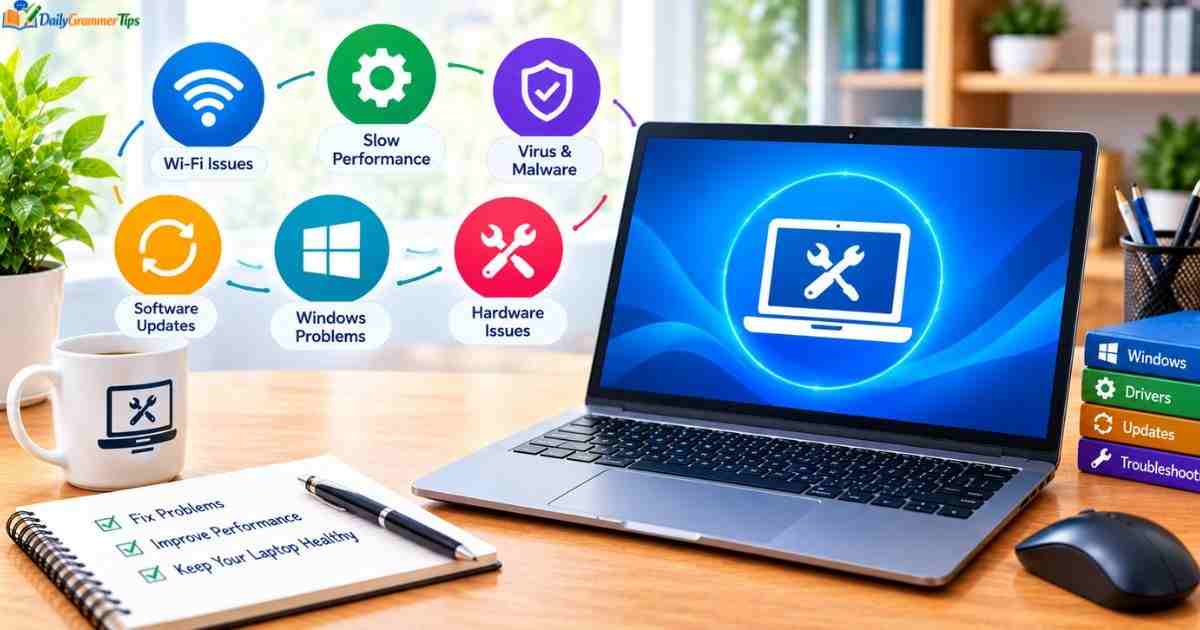
Laptops are convenient because they combine portability with powerful features. However, their compact design can make repairs more challenging.
Common laptop problems include:
- Battery issues
- Broken charging ports
- Keyboard problems
- Screen damage
- Slow performance
- Overheating
Regular maintenance can extend laptop life.
Helpful habits include:
- Keeping vents clean
- Avoiding extreme temperatures
- Using proper chargers
- Installing updates
- Protecting the device during travel
Remote Computer Tech Help Services
Remote computer tech help has become popular because many issues can be solved without visiting a repair shop.Remote support allows technicians to assist users through an internet connection.
Common remote services include:
- Software troubleshooting
- System setup
- Security checks
- Account assistance
- Performance improvements
- Application installation
Benefits of Remote Computer Support
Convenience
Users can receive help from home without carrying a computer to a repair location.
Faster Assistance
Remote support may reduce waiting time for simple problems.
Expert Guidance
Users can receive instructions from experienced technicians.
Cost Considerations
Remote support may be suitable for software-related issues, while physical repairs may require in-person service.
How to Choose Reliable Computer Tech Help
Choosing the right support provider is important. The quality of assistance can affect your computer, personal information, and overall experience.
Consider these factors:
Experience and Skills
Look for providers with knowledge of your operating system, device type, and specific problem.
Clear Communication
A good technician should explain:
- What caused the issue
- What solutions are available
- What steps will be taken
- What the expected costs are
Security Practices
Computer support providers may access sensitive information. Choose services that follow responsible security practices.
Reviews and Reputation
Customer feedback can provide insight into service quality. Look for consistent experiences rather than relying on a single review.
Computer Maintenance Tips for Better Performance
Regular maintenance helps prevent many common problems.
Keep Your Computer Clean
Dust can affect cooling and performance.
Helpful steps:
- Keep air vents clear
- Clean the keyboard area
- Avoid eating near your computer
- Protect ports from damage
Back Up Important Files
Data loss can happen because of:
- Hardware failure
- Accidental deletion
- Security problems
- Software errors
Regular backups help protect important documents, photos, and business files.
Backup options include:
- External storage devices
- Network storage
- Cloud-based services
Use Storage Wisely
Organizing files improves productivity.
Good practices include:
- Removing duplicate files
- Organizing folders
- Cleaning downloads
- Archiving old documents
The Future of Computer Tech Help

Technology continues to change quickly. Computer support is also evolving with new tools and services.
Future computer tech help may involve:
- Artificial intelligence troubleshooting
- Automated system monitoring
- Faster remote assistance
- Smart device management
- Improved cybersecurity tools
Human expertise remains valuable because many technology problems require understanding user needs and specific situations.
Frequently Asked Questions
What does computer tech help include?
Computer tech help includes troubleshooting, repairs, software installation, security assistance, device setup, and guidance for improving computer performance.
Can I get computer tech help remotely?
Yes, many software and setup issues can be solved through remote support. Hardware problems may require physical inspection.
How often should I get computer maintenance?
Maintenance depends on how you use your computer. Regular updates, backups, security checks, and cleanup can help keep devices running smoothly.
Why is my computer running slowly?
A slow computer may be caused by limited storage, too many background programs, outdated software, security issues, or older hardware.
Should I repair or replace my computer?
The answer depends on the computer’s age, condition, repair cost, and performance needs. A technician can help evaluate available options.
Conclusion
Computer problems can interrupt work, learning, and personal activities. Reliable computer tech help makes it easier to solve technical issues, protect important information, and keep devices performing properly.
From fixing slow computers and software errors to improving security and setting up devices, technology support helps users feel more confident with their computers.Regular maintenance, safe online habits, and professional guidance when needed can extend the life of your device and reduce future problems.
