

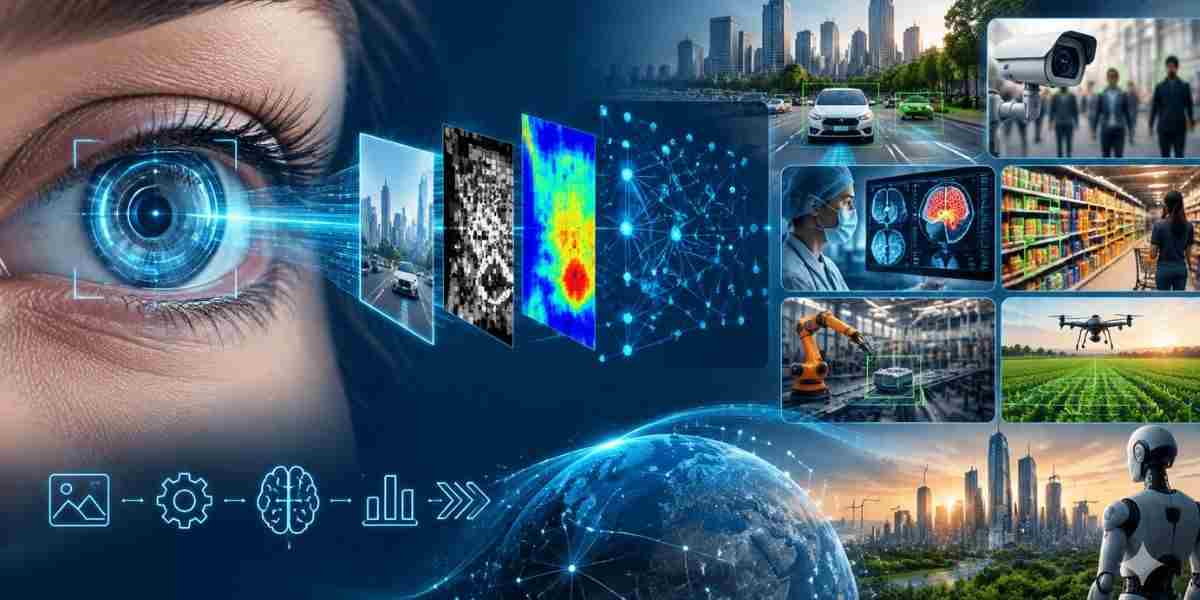
Technology is changing the way machines understand and interact with the world. One of the most important developments in artificial intelligence is computer vision tech. It helps computers analyze images, videos, and visual information in a way that is similar to human vision.
From self driving cars to medical imaging, computer vision tech is helping industries solve complex problems. It allows machines to identify objects, recognize patterns, and make decisions using visual data. This technology is becoming a major part of modern AI systems.
What Is Computer Vision Tech?
Computer vision tech is a branch of artificial intelligence that allows computers to understand and process visual information. It uses cameras, sensors, software, and AI algorithms to analyze images and videos.
Unlike traditional computer programs that follow fixed instructions, computer vision systems learn from large amounts of visual data. They can identify objects, detect changes, and understand different patterns inside images.The main goal of computer vision tech is to help machines see and understand the environment around them. It gives computers the ability to recognize faces, read documents, inspect products, and analyze complex scenes.
Computer vision works by combining different technologies, including machine learning, deep learning, and neural networks. These technologies allow AI models to improve their accuracy over time.Today, computer vision tech is used in many areas, including healthcare, transportation, security, retail, agriculture, and manufacturing. Companies use it to automate tasks that once required human observation and decision making.
Computer Vision Definition
Computer vision is the technology that enables computers to capture, process, and understand digital images and videos. It focuses on teaching machines how to interpret visual information and extract useful data from it.
In simple words, computer vision gives machines the ability to see. However, computer vision does not work exactly like human eyes. Humans understand images naturally through experience, while computers need algorithms and training data to recognize visual patterns.A computer vision system receives visual input from cameras, scanners, or other devices. It then processes this information using AI models to identify important details.
For example, when a security camera detects a person entering an area, the system analyzes the image, identifies human features, and provides useful information.
Computer vision definition also includes several important tasks such as image classification, object detection, facial recognition, image segmentation, and motion tracking.These processes help machines understand different types of visual content and respond according to programmed goals.
What Is Computer Vision in AI?
Computer vision in AI is a specialized field that focuses on helping artificial intelligence systems understand visual data. It allows AI models to analyze pictures, videos, and real world scenes.Artificial intelligence allows machines to perform tasks that normally require human intelligence. Computer vision adds the ability to understand visual information as part of this intelligence.
AI systems use computer vision algorithms to identify patterns and make decisions. For example, an AI powered vehicle uses cameras and computer vision models to detect roads, traffic signs, pedestrians, and other vehicles.Machine learning plays an important role in computer vision. Instead of manually programming every possible situation, developers train AI models using thousands or millions of images.
Deep learning has made computer vision more powerful. Deep neural networks, especially convolutional neural networks, can identify detailed features inside images with high accuracy.Computer vision in AI is now used in advanced applications such as autonomous vehicles, medical diagnosis, smart cities, and automated factories.
How Does Computer Vision Work?
Computer vision works through a combination of cameras, data processing, artificial intelligence models, and machine learning techniques. The system follows several steps to understand visual information.
Capturing Visual Data
The first step in computer vision is collecting visual information. Cameras, sensors, and imaging devices capture photos or videos from the environment.
The quality of this data affects the accuracy of the computer vision system. Clear images with useful details help AI models make better decisions.
For example, a self driving car uses multiple cameras to collect information about roads, vehicles, and surroundings.
Processing Images
After collecting images, the system processes the visual data. Computers convert images into digital information that AI algorithms can understand.
During this stage, the system improves image quality, removes unnecessary details, and prepares data for analysis.
Image processing techniques help computers identify important features such as shapes, colors, edges, and patterns.
Training AI Models
The next step involves training computer vision models. Developers use large datasets containing thousands of labeled images.
The AI system learns from these examples and understands how different objects look. Over time, the model becomes better at recognizing similar patterns in new images.
For example, a facial recognition system learns from many face images before identifying people accurately.
Recognizing and Understanding Objects
After training, the computer vision system analyzes new images or videos. It compares visual information with learned patterns.The system can identify objects, classify images, detect movement, and understand scenes.
Object detection allows machines to locate specific items inside an image. Image recognition helps identify what an object is.
Taking Actions
The final step is using the information collected by computer vision. The system can provide alerts, control machines, or support decision making.
For example, a manufacturing system can detect defective products and remove them automatically.
Computer vision tech becomes more valuable when it connects visual understanding with automated actions.
Computer Vision Software
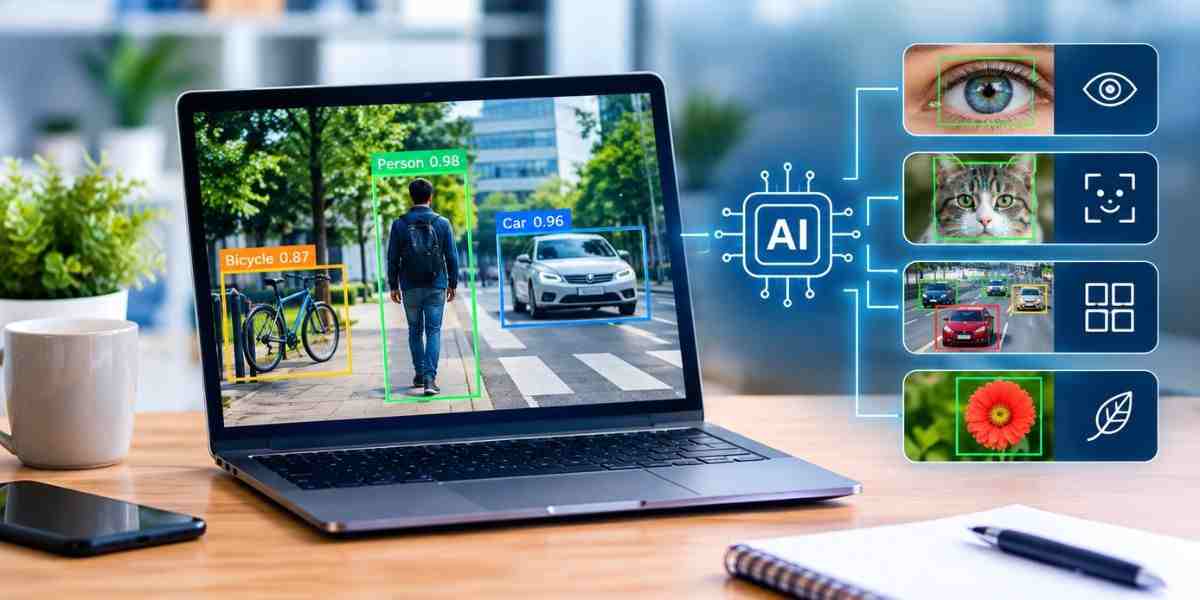
Computer vision software provides the tools and platforms needed to build, train, and operate computer vision systems. These software solutions help developers create applications that can analyze images and videos.
Computer vision software usually includes image processing tools, AI models, development frameworks, and data management systems.Many modern solutions use deep learning frameworks to create advanced visual recognition systems. These tools help businesses develop applications without building every component from the beginning.
Common features of computer vision software include:
Image Recognition
Image recognition allows software to identify objects, people, places, and patterns inside images.
It is commonly used in security systems, mobile applications, and digital services.
Object Detection
Object detection helps systems locate and identify multiple objects in an image or video.
For example, traffic monitoring systems use object detection to identify cars, pedestrians, and road signs.
Image Classification
Image classification organizes images into different categories. It helps AI systems understand what type of content an image contains.
Healthcare systems use image classification to analyze medical scans and support doctors.
Optical Character Recognition
Optical character recognition allows computers to read text from images and documents.This technology is used for scanning documents, processing invoices, and converting handwritten information into digital text.Computer vision software continues to improve as AI technology develops. Better algorithms and larger datasets are making these systems faster and more accurate.
Computer Vision vs Machine Learning
Computer vision and machine learning are closely connected technologies, but they have different purposes. Machine learning is a broader field of artificial intelligence that allows computers to learn from data and improve their performance.
Computer vision focuses specifically on visual information such as images, videos, and camera data. It uses machine learning methods to help computers understand and analyze what they see.
Machine learning models can work with different types of data, including numbers, text, audio, and images. Computer vision systems mainly focus on visual data and use AI techniques to identify patterns inside pictures and videos.
For example, a machine learning system can predict customer behavior using sales data. A computer vision system can analyze store camera footage to understand customer movement and shopping patterns.
Difference Between Computer Vision and Machine Learning
| Computer Vision | Machine Learning |
| Focuses on images and videos | Works with different types of data |
| Helps machines understand visual information | Helps machines learn from data |
| Uses cameras and visual sensors | Uses data sets and algorithms |
| Common in image recognition and object detection | Common in predictions and data analysis |
Computer vision tech often depends on machine learning because AI models need training data to recognize objects and understand visual patterns.
Deep learning has made the connection between these technologies even stronger. Modern computer vision systems use advanced neural networks that can learn complex visual features without requiring manual programming.
Applications of Computer Vision
Computer vision tech has become an important part of many industries. It helps businesses automate tasks, improve accuracy, and make better decisions using visual information.
From healthcare to transportation, organizations use computer vision to solve real world problems. The ability to analyze images and videos quickly makes this technology valuable for both small businesses and large companies.
Healthcare Applications
Healthcare is one of the biggest areas where computer vision tech is making an impact. Doctors and medical professionals use AI based image analysis to understand medical scans and detect possible health problems.
Computer vision systems can analyze X rays, MRI scans, CT scans, and other medical images. These systems help identify patterns that may be difficult to notice with the human eye.
Medical imaging tools powered by computer vision can support doctors during diagnosis. They do not replace medical experts but provide additional information for better decision making.
Self Driving Vehicles
Self driving cars depend heavily on computer vision tech. Vehicles use cameras and sensors to understand their surroundings and make safe decisions.
Computer vision systems help cars identify roads, traffic lights, pedestrians, vehicles, and obstacles. The technology allows vehicles to respond quickly to changes on the road.
Autonomous driving combines computer vision with other AI technologies to create safer and smarter transportation systems.
Manufacturing Industry
Manufacturing companies use computer vision tech for quality control and automation. Cameras inspect products and identify defects during production.
Traditional inspection methods often require manual checking, which can take more time and may include human errors.
Computer vision systems can analyze thousands of products quickly. They help factories maintain quality standards and improve production efficiency.
Retail and Shopping
Retail businesses use computer vision to understand customer behavior and improve shopping experiences.
Stores can use cameras and AI systems to analyze customer movement, manage inventory, and improve security.
Computer vision tech also supports cashier less stores where customers can pick products and complete purchases automatically.
Security and Surveillance
Security systems use computer vision for monitoring and threat detection. AI powered cameras can identify unusual activities and send alerts.
Facial recognition, motion detection, and object tracking are common examples of computer vision applications in security.These systems help organizations monitor large areas and improve safety measures.
Agriculture
Agriculture is another field benefiting from computer vision technology. Farmers use AI cameras and drones to monitor crops and detect problems.
Computer vision systems can identify plant diseases, measure crop growth, and analyze soil conditions.
This helps farmers make better decisions and improve productivity while reducing resource waste.
Computer Vision History
The history of computer vision started with early attempts to help machines process visual information. Researchers began exploring how computers could understand images during the development of artificial intelligence.
In the early years, computer vision systems were limited because computers had less processing power and available data. Early methods focused on basic image processing and simple pattern recognition.
During the 1960s and 1970s, researchers started developing techniques to identify shapes, edges, and basic objects in images.As computer technology improved, computer vision became more advanced. Better processors, larger datasets, and improved algorithms allowed machines to analyze more complex visual information.
The development of machine learning changed computer vision significantly. Instead of using only fixed rules, systems could learn patterns from examples.The introduction of deep learning created another major improvement. Neural networks helped computer vision models achieve higher accuracy in tasks like image recognition and object detection.
Today, computer vision tech is used in many industries and continues to grow with advances in artificial intelligence.Modern systems can understand detailed scenes, recognize objects in real time, and support complex automation processes.
Computer Vision Examples

Computer vision examples can be found in many everyday technologies. People use computer vision powered tools regularly without always realizing it.
Smartphones, online services, healthcare systems, and transportation platforms all use visual intelligence to improve their functions.
Face Recognition
Face recognition is one of the most common computer vision examples. Smartphones use this technology to unlock devices and improve security.
The system analyzes facial features and compares them with stored information to verify identity.
Google Photos and Image Search
Photo organization tools use computer vision tech to identify people, locations, and objects inside images.
These systems automatically categorize photos and make searching easier.
Medical Image Analysis
Hospitals use computer vision to analyze medical images. AI systems can detect patterns in scans and help doctors review patient information.
Traffic Monitoring
Smart traffic systems use cameras and computer vision to monitor roads. They detect vehicles, manage traffic flow, and improve transportation planning.
Smart Home Devices
Many smart home devices use computer vision for security and automation.
Smart cameras can detect movement, recognize familiar people, and provide real time alerts.
Industrial Robots
Factories use computer vision powered robots for tasks such as product inspection, assembly, and sorting.These robots can work with high accuracy and improve manufacturing processes.
Computer vision examples show how this technology is becoming part of everyday life. As AI continues to improve, more industries will find new ways to use visual intelligence.
Key Technologies Behind Computer Vision
Computer vision tech depends on several advanced technologies that help machines understand and analyze visual information. These technologies work together to capture images, process data, identify patterns, and make decisions.
Modern computer vision systems combine artificial intelligence, machine learning, deep learning, and image processing techniques. Each technology plays an important role in improving accuracy and performance.
Artificial Intelligence
Artificial intelligence is the foundation of computer vision tech. It allows computers to perform tasks that normally require human intelligence, such as recognizing objects and understanding scenes.
AI systems use algorithms to analyze visual data and find meaningful information. Instead of only following fixed instructions, modern AI models can learn from examples and improve their results.
Computer vision uses artificial intelligence to create smarter systems that can understand images, videos, and real world environments.
Machine Learning Algorithms
Machine learning helps computer vision systems learn from data. These algorithms identify patterns and use previous examples to make predictions.
For example, a machine learning model can study thousands of images of animals and learn how to recognize different species.
The more quality data a system receives, the better it becomes at identifying objects and making accurate decisions.
Deep Learning and Neural Networks
Deep learning has transformed computer vision tech by improving the ability of machines to understand complex visual information.Deep learning models use artificial neural networks that are inspired by the way the human brain processes information.
Convolutional neural networks, also known as CNNs, are commonly used in computer vision applications. They can detect important features such as edges, shapes, colors, and textures.These networks are responsible for many advanced applications, including facial recognition, medical image analysis, and autonomous vehicles.
Image Processing
Image processing is an important part of computer vision. It improves images and prepares them for analysis.
Before an AI model understands an image, the system may adjust brightness, remove noise, improve quality, or highlight important areas.
Image processing techniques help computer vision systems work with different types of visual data.
Learn more…………Tech Computer Science Acceptance Rate: CS Admission Guide
Object Detection
Object detection allows computers to identify and locate objects inside images or videos.
Unlike simple image recognition, object detection can find multiple objects and show their positions.
For example, a traffic camera can identify cars, bicycles, and pedestrians at the same time.
Image Segmentation
Image segmentation divides an image into different parts so the computer can understand each area separately.
This technology is useful in healthcare, robotics, and manufacturing.
For example, medical computer vision systems can separate different parts of a scan to help doctors study specific areas.
Benefits of Computer Vision Tech
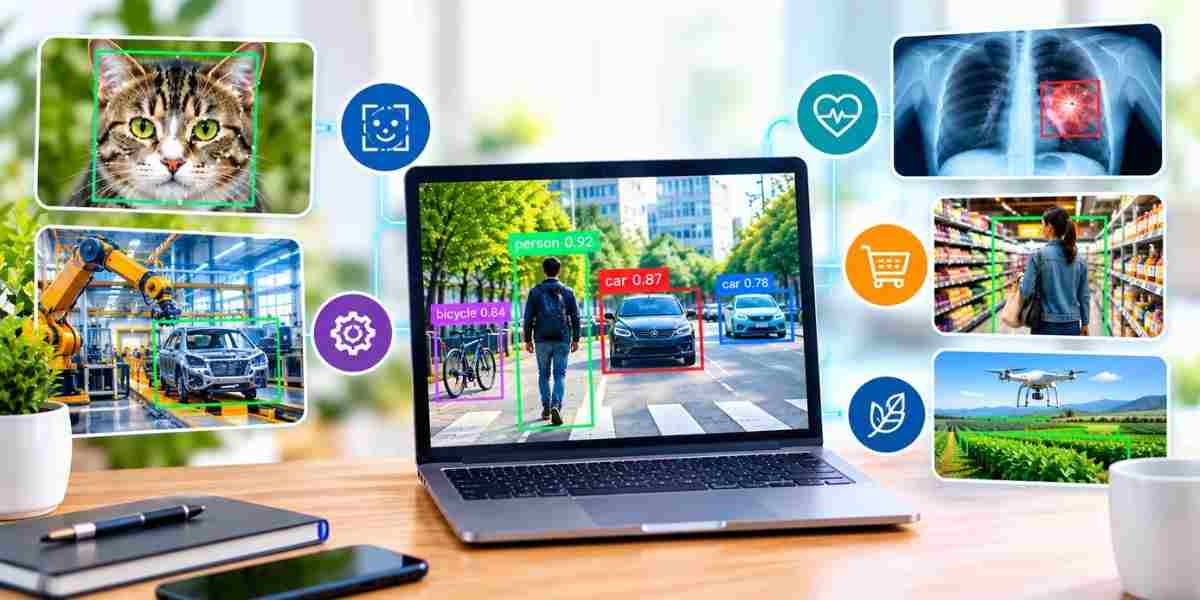
Computer vision tech provides many benefits for businesses, researchers, and everyday users. It helps organizations automate tasks, improve accuracy, and process large amounts of visual information.
As technology continues to develop, computer vision systems are becoming faster, smarter, and more accessible.
Faster Data Analysis
One major benefit of computer vision tech is its ability to analyze large amounts of visual data quickly.
Humans may need hours to review thousands of images, but AI systems can process them within a short time.This speed helps industries make faster decisions and improve productivity.
Improved Accuracy
Computer vision systems can identify patterns with high accuracy when trained with quality data.
In industries like manufacturing and healthcare, accurate visual analysis can help reduce mistakes and improve results.AI models can notice small details that may be difficult for humans to detect.
Automation of Repetitive Tasks
Computer vision allows companies to automate tasks that require constant monitoring.
Factories use AI cameras to inspect products, while businesses use visual systems for inventory management.
Automation reduces manual work and allows employees to focus on more complex activities.
Better Customer Experience
Many businesses use computer vision tech to improve customer experiences.
Retail stores analyze customer behavior to create better shopping environments. Smart applications use image recognition to provide faster and more personalized services.
Real Time Decision Making
Computer vision systems can analyze information and respond immediately.
For example, autonomous vehicles use computer vision to detect obstacles and make quick decisions while driving.
Real time analysis makes computer vision valuable in situations where fast responses are important.
Challenges of Computer Vision
Although computer vision tech has many advantages, it also faces several challenges. Building accurate and reliable systems requires high quality data, advanced technology, and proper management.Understanding these limitations helps businesses use computer vision in a responsible way.
Data Quality Problems
Computer vision models need large amounts of data for training. Poor quality or incomplete data can affect system performance.
If images are unclear or contain incorrect information, the AI model may produce inaccurate results.
Creating balanced and reliable datasets is one of the biggest challenges in computer vision development.
Privacy Concerns
Many computer vision applications collect and analyze visual information. This creates concerns about privacy and data protection.
Facial recognition and surveillance systems require careful handling to protect personal information.
Organizations need proper policies to ensure responsible use of computer vision technology.
High Development Costs
Creating advanced computer vision systems can require significant investment.Companies may need powerful hardware, skilled developers, large datasets, and AI infrastructure.
Small businesses may find it difficult to adopt complex computer vision solutions without proper resources.
Limited Understanding of Complex Scenes
Although computer vision has improved greatly, machines still do not understand the world exactly like humans.
AI systems can sometimes struggle with unusual situations, unclear images, or unexpected environments.Researchers continue working to make computer vision models more flexible and intelligent.
Future of Computer Vision Tech
The future of computer vision tech looks promising as artificial intelligence continues to advance. New developments are making machines better at understanding visual information.
More industries are adopting computer vision because of its ability to improve efficiency and create new solutions.
Smarter AI Systems
Future computer vision systems will become more intelligent and capable.AI models will understand complex environments better and perform more advanced tasks with greater accuracy.
Improved algorithms will help machines make better decisions using visual data.
Growth of Autonomous Technology
Autonomous vehicles, robots, and smart devices will continue using computer vision tech.
As sensors and AI models improve, these systems will become more reliable and useful in different environments.
Integration With Other Technologies
Computer vision will work more closely with technologies like augmented reality, robotics, and Internet of Things devices.
This combination will create smarter systems that can understand and interact with the physical world.
More Business Applications
Businesses will continue finding new ways to use computer vision.From automated customer service to advanced manufacturing, visual intelligence will become an important part of digital transformation.The future of computer vision tech will focus on creating systems that are faster, safer, and easier to use.
Types of Computer Vision Systems
Computer vision tech includes different types of systems designed for specific visual tasks. Each system focuses on understanding a particular type of information from images, videos, or real world environments.
These systems use AI models, machine learning algorithms, and image processing techniques to complete different tasks. The type of computer vision system depends on the problem it needs to solve.
Image Classification Systems
Image classification is one of the basic types of computer vision systems. It helps computers identify what an image contains and place it into a specific category.
For example, an image classification system can identify whether a picture contains a dog, car, person, or plant.
These systems are widely used in healthcare, security, and digital applications. They help organizations organize large amounts of visual data quickly.
Object Detection Systems
Object detection focuses on finding and identifying multiple objects inside an image or video.Unlike image classification, object detection not only recognizes an object but also identifies its location.
For example, a self driving vehicle uses object detection to find cars, pedestrians, traffic signs, and other obstacles on the road.
This type of computer vision tech is important for automation and real time decision making.
Facial Recognition Systems
Facial recognition uses computer vision algorithms to identify or verify people based on facial features.
The system analyzes details such as face shape, eye position, and other patterns to match identities.
Facial recognition is used in smartphone security, access control systems, and identity verification platforms.
Motion Detection Systems
Motion detection systems identify movement in images or video streams.
These systems are commonly used in security cameras, smart homes, and traffic monitoring.
Computer vision tech helps these systems understand whether movement is caused by a person, vehicle, or another object.
Image Segmentation Systems
Image segmentation separates different parts of an image to help computers understand individual areas.
For example, a medical image system can separate organs or tissues in a scan to support analysis.
Image segmentation is also useful in robotics, agriculture, and industrial inspection.
Computer Vision in Healthcare
Healthcare is one of the most valuable fields using computer vision tech. Medical professionals use AI powered visual systems to analyze images and support better healthcare decisions.
Medical images contain important information that can help doctors understand diseases and health conditions. Computer vision helps process this information faster and more accurately.
Medical Image Analysis
Computer vision systems can analyze medical images such as X rays, CT scans, and MRI images.
AI models identify patterns and unusual areas that may require further attention from healthcare professionals.
These systems help doctors review images more efficiently and support early detection of health problems.
Disease Detection Support
Computer vision tech can assist in detecting different medical conditions.
For example, AI models can analyze skin images to identify possible skin issues or examine eye scans for signs of disease.
These systems provide additional support but work alongside medical experts for final decisions.
Robotic Surgery Assistance
Advanced healthcare systems use computer vision in robotic surgery.
The technology helps surgical robots understand the operating area and provide precise movements.
Computer vision allows machines to recognize tissues and improve accuracy during complex procedures.
Patient Monitoring
Hospitals also use computer vision for patient monitoring.
AI cameras can track patient movement, detect falls, and support safety in healthcare environments.
This helps medical teams respond quickly when assistance is needed.
Computer Vision in Business
Businesses across different industries are using computer vision tech to improve operations and create better customer experiences.
The ability to understand visual data allows companies to automate processes and gain useful insights.
From retail stores to financial services, computer vision is becoming an important business tool.
Retail Analytics
Retail companies use computer vision to understand customer behavior and improve store performance.
AI cameras can analyze customer movement, product interaction, and shopping patterns.Businesses can use this information to improve store layouts and create better experiences.
Inventory Management
Computer vision helps businesses manage inventory more efficiently.AI systems can monitor shelves, identify missing products, and track stock levels automatically.
This reduces manual checking and helps companies maintain accurate inventory records.
Security Improvement
Businesses use computer vision systems to improve security.
AI powered cameras can detect unusual activities and provide alerts when problems occur.
These systems help protect employees, customers, and company assets.
Automated Customer Services
Some businesses use computer vision to create faster and smarter customer services.
For example, stores can use visual recognition systems for automatic checkout and personalized recommendations.
This improves convenience and creates smoother customer experiences.
Computer Vision in Manufacturing

Manufacturing is one of the industries where computer vision tech has created major improvements.
Factories use AI cameras and visual systems to monitor production, inspect products, and improve efficiency.
Computer vision allows machines to perform detailed inspections that may be difficult for humans to complete consistently.
Quality Control
Quality control is a major use of computer vision in manufacturing.
AI systems inspect products during production and identify defects, errors, or damaged parts.
This helps companies maintain product quality and reduce waste.
Automated Inspection
Traditional inspection methods often depend on human workers checking products manually.
Computer vision systems can complete inspections faster and provide consistent results.
They can detect small problems that may be missed during manual checking.
Smart Robots
Manufacturing robots use computer vision to understand their surroundings.
The technology helps robots identify objects, move accurately, and complete complex tasks.
Smart robots improve productivity and support modern automated factories.
Production Monitoring
Computer vision helps manufacturers monitor production processes in real time.
AI systems can identify problems early and help companies avoid delays.
This improves efficiency and reduces operational costs.
Computer Vision and Deep Learning
Deep learning is one of the most important technologies behind modern computer vision tech.It allows AI systems to learn complex visual patterns from large amounts of data.
Deep learning models have improved the accuracy of computer vision applications in many industries.
Role of Neural Networks
Neural networks are the foundation of deep learning systems.
They contain connected layers that process information and identify important patterns.In computer vision, neural networks help recognize objects, faces, and complex visual details.
Convolutional Neural Networks
Convolutional neural networks are specially designed for image analysis.
They can detect features such as edges, colors, shapes, and textures.
CNN models are widely used in applications like facial recognition, medical imaging, and autonomous vehicles.
Deep Learning Improvements
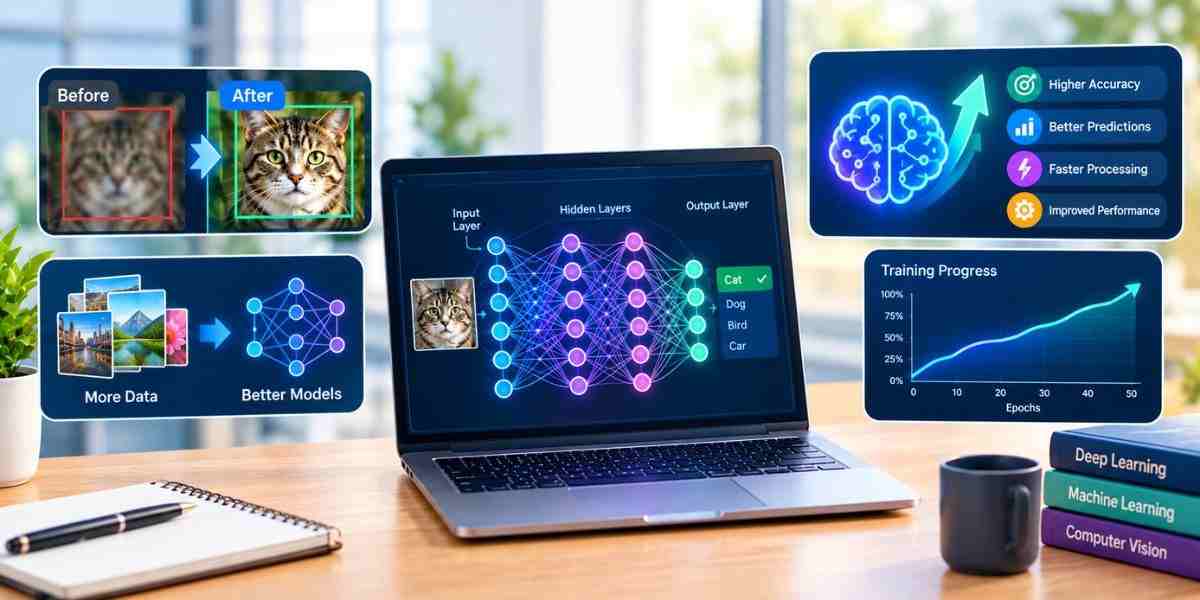
Deep learning has made computer vision systems more powerful.Modern AI models can process large amounts of visual information and achieve better accuracy than traditional methods.
As computing power increases, deep learning will continue improving computer vision technology.
Frequently Asked Questions
What is computer vision technology?
Computer vision technology helps computers understand and analyze images and videos using AI, machine learning, and deep learning models. citeturn0search0turn0search3
Is CV part of AI?
Yes, computer vision is a branch of artificial intelligence that helps machines understand visual information. citeturn0search1
What is the salary of a computer vision engineer?
A computer vision engineer’s salary varies by country, experience, and company, but skilled professionals usually earn competitive salaries in the AI field.
Is computer vision a good career?
Yes, computer vision offers strong career opportunities because industries use it in healthcare, robotics, automotive, security, and automation.
Will AI replace computer vision jobs?
AI will change computer vision roles by automating some tasks, but skilled engineers will still be needed to build, train, and improve AI systems.
Conclusion
Computer vision tech has become one of the most important developments in artificial intelligence. It gives machines the ability to understand images, videos, and visual information.From healthcare and manufacturing to smartphones and transportation, computer vision is changing how people and businesses interact with technology.
The technology works by combining artificial intelligence, machine learning, deep learning, and image processing. These systems analyze visual data, recognize patterns, and provide useful actions.
The future of computer vision tech will bring more advanced applications and smarter systems. As technology continues to grow, computer vision will remain a key part of artificial intelligence and digital transformation.
