

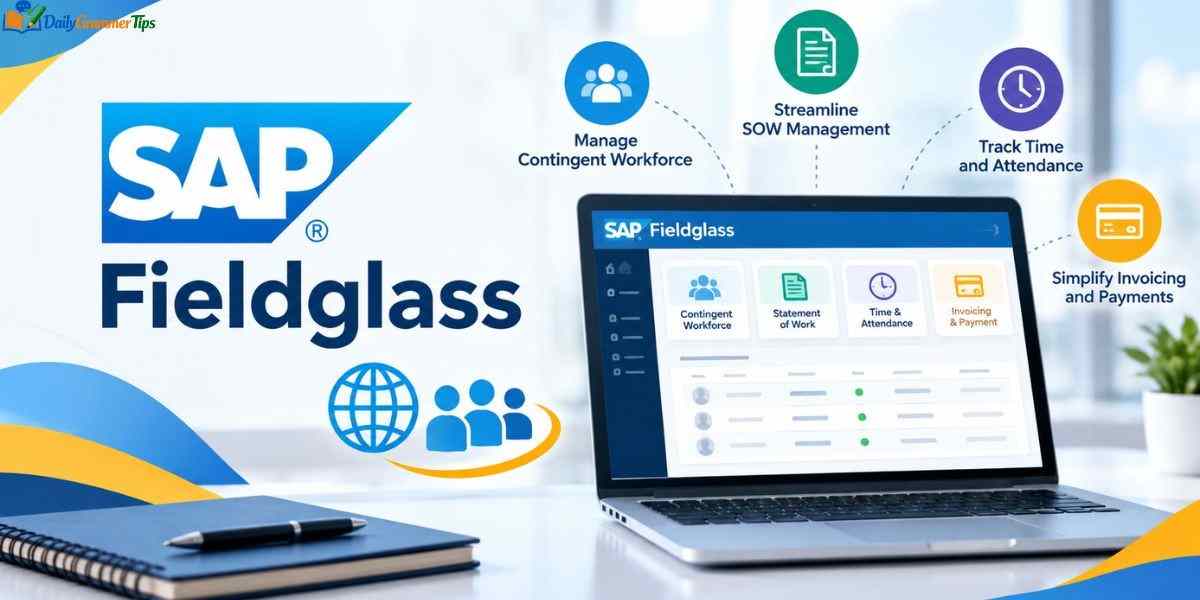
SAP Fieldglass is one of the most widely used vendor management systems in the world today, helping large and mid sized organizations manage their entire external workforce from a single cloud based platform. As companies rely more heavily on contractors, freelancers, and service providers to fill skill gaps and scale operations quickly, the need for a structured system to source, track, and pay this workforce has become critical.
This guide walks through everything you need to know about the platform, including how it works, its core features, the benefits it delivers, and how it compares with other vendor management solutions on the market. Whether you are evaluating it for the first time or trying to understand its full capabilities, this article breaks each element down in a simple and practical way.
What is SAP Fieldglass?
SAP Fieldglass is a cloud based vendor management system that helps organizations procure, manage, and optimize their external workforce. This includes contingent workers, independent contractors, freelancers, temporary staff, and service providers who are hired through a statement of work rather than as full time employees.
The platform gives businesses one centralized place to handle sourcing, onboarding, compliance, time tracking, invoicing, and reporting for their non payroll workforce. Instead of managing contractors through spreadsheets, emails, or disconnected supplier systems, it brings the entire process into a single, trackable workflow.
Fieldglass is owned by SAP SE, a German multinational software company that also owns other well known enterprise products such as SAP SuccessFactors and SAP Ariba. Because it belongs to the broader SAP portfolio, the platform is designed to connect smoothly with these other systems rather than operating as an isolated tool.
It is worth noting how SAP Fieldglass differs from a standard human resources information system or applicant tracking system. Those tools are generally built around full time employees, while this platform is purpose built for non payroll labor and the unique compliance rules that come with it.
This distinction matters because contingent workers are often subject to different tax treatment, contract structures, and legal protections than employees. A dedicated vendor management system like SAP Fieldglass helps companies avoid costly misclassification mistakes.
How Does SAP Fieldglass Work?
At a basic level, the platform works by digitizing every step of the external workforce lifecycle, from the moment a business identifies a staffing need to the moment a worker or supplier gets paid. Each stage of the process is tracked inside the system so that nothing falls through the cracks or gets lost between departments.
This structured approach matters because contingent workforce programs typically involve several stakeholders, including hiring managers, procurement teams, finance departments, and outside suppliers. The system connects all of these groups within one workflow, which reduces miscommunication and speeds up every stage of the process.
Sourcing and Requisitioning
A hiring manager or procurement team creates a requisition inside the system describing the role, required skills, budget, and timeline. This requisition is then sent out to approved staffing suppliers, who submit candidates or proposals directly through the platform for review.
Suppliers typically have a limited window to respond with candidates or pricing, which keeps the sourcing process moving quickly rather than dragging on for weeks. This time bound structure benefits both the hiring company and the suppliers competing for the work.
Hiring managers can also review supplier responses side by side within the same screen, comparing rates, availability, and candidate experience without needing to open separate documents or emails. This side by side comparison is one of the simplest but most valued conveniences the platform provides on a daily basis.
Onboarding and Compliance Checks
Once a candidate or supplier is selected, the system manages the onboarding process, including background checks, contract terms, and compliance documentation. This ensures that every worker meets legal and internal policy requirements before starting work, reducing risk for the hiring company.
Compliance checks can vary widely depending on the role and location, ranging from basic identity verification to more detailed background screening for sensitive positions. The system allows these requirements to be configured per role or region, so the right level of scrutiny is applied automatically.
Time Tracking and Invoicing
Workers log their hours and expenses directly inside the platform, which are then routed for manager approval. Once approved, the platform automatically generates invoices, reducing manual paperwork and payment delays for both suppliers and internal finance teams.
Reporting and Analytics
Throughout the entire process, the system captures data on spend, supplier performance, and workforce trends. This data feeds into dashboards and reports that help leadership make smarter decisions about how they manage their extended workforce going forward.
Because every stage of this cycle is connected, updates made early in the process, such as a change in budget or timeline, automatically flow through to later stages like invoicing and reporting. This connected structure is a major reason the platform is trusted for high volume workforce programs.
Teams no longer need to manually reconcile information between separate tools, since sourcing, time tracking, and financial data all live within the same system of record.
Key Features of SAP Fieldglass
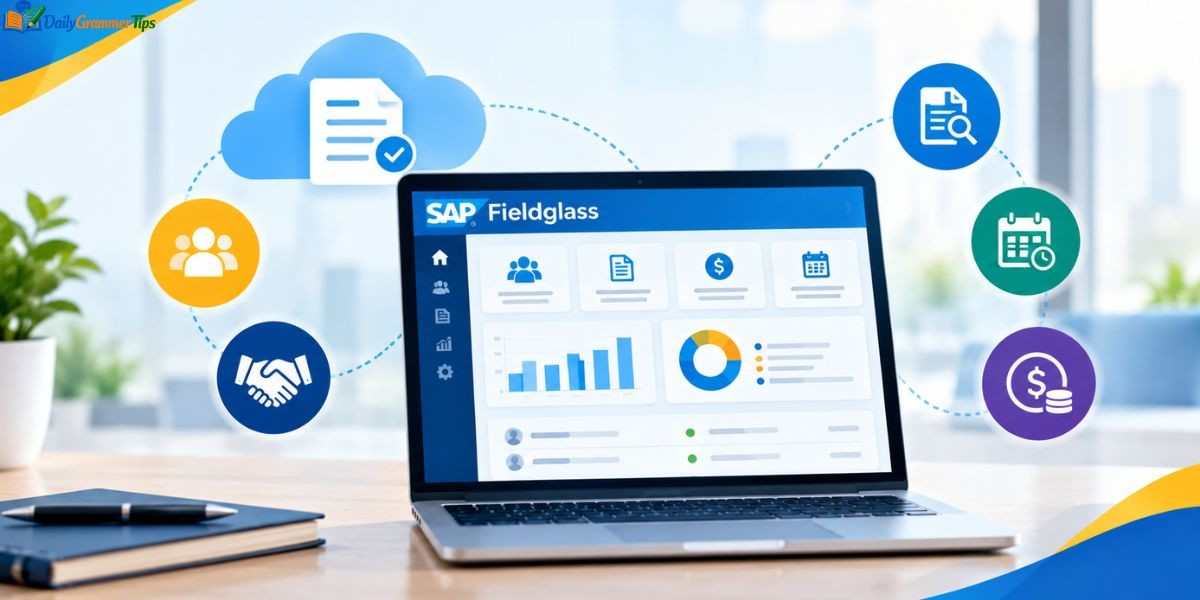
SAP Fieldglass offers a broad set of features designed to support every part of external workforce management. Below are some of the most important capabilities the platform provides to procurement and HR teams on a daily basis.
- Vendor management for onboarding, tracking, and evaluating staffing suppliers and service providers.
- Workforce planning tools that help teams forecast demand and budget for contingent labor.
- Time and expense tracking with built in approval workflows for managers.
- Automated invoicing and payment processing for suppliers and staffing agencies.
- Statement of work management for project based engagements and deliverables.
- Analytics and reporting dashboards for spend visibility and performance tracking.
- Compliance management tools to reduce legal and regulatory risk across regions.
- Direct sourcing capabilities that let companies build and manage their own talent pools.
- Reporting tools that break down spend by supplier, region, department, or job category.
Each of these features can typically be configured to match a company’s internal policies, meaning the system can flex to fit organizations of different sizes and industries. This configurability is one reason the platform has remained popular with large enterprises for so many years.
In practice, this means a retail company managing seasonal warehouse contractors can configure very different approval rules than a technology company managing specialized software consultants, even though both are using the exact same underlying platform. That kind of shared infrastructure with flexible configuration is difficult for smaller, less established vendor management tools to replicate at the same scale.
These features work together so that the system functions as a single system of record for the external workforce, rather than a patchwork of disconnected tools scattered across different departments. That consolidation is often the biggest operational improvement companies notice after adoption.
Many of these capabilities can also be extended through configuration rather than custom development, which shortens rollout timelines for new business units or regions. A finance team in one country, for example, can apply slightly different invoicing rules than a sister team elsewhere without breaking the shared workflow.
This kind of flexibility is one reason procurement leaders often cite SAP Fieldglass as easier to scale than smaller, less mature vendor management tools.
SAP Fieldglass Core Functionality
Beyond its headline features, the platform supports a set of core functions that procurement and HR teams rely on daily. These functions form the backbone of how the system is actually used inside large organizations, day in and day out.
Companies use it to source and procure external workers by comparing labor rates and supplier proposals side by side. This transparency helps procurement teams negotiate better terms and select the right supplier for each engagement without relying on guesswork.
Supplier scorecards are another commonly used tool within this core functionality, allowing companies to track fill rates, candidate quality, and responsiveness over time. Suppliers who consistently perform well often receive priority access to future requisitions as a result.
The platform also supports onboarding and offboarding for contingent labor, ensuring that access, equipment, and documentation are handled consistently every time a worker joins or leaves a project. Managers can track work progress, time, and expenses in real time rather than waiting for end of month reports to see where things stand.
Offboarding is often just as important as onboarding, since it ensures system access, badges, and equipment are properly returned or revoked once an engagement ends. Skipping this step is a common source of security gaps in organizations that manage contractors informally outside a dedicated system.
Managers typically receive automated reminders as a contract nears its end date, prompting them to either extend the engagement or begin the offboarding process. This kind of built in prompt reduces the chances of a contractor losing access late or, just as often, staying active in company systems well after their work has actually finished.
Compliance with labor laws and internal company policy is built directly into the workflow, which reduces the risk of misclassification or missed regulatory requirements. This is especially valuable for organizations operating across multiple countries with different labor laws.
Finally, the system allows organizations to analyze and benchmark workforce performance and costs, giving leadership a clear picture of where money is being spent and whether it is delivering value. Over time, this benchmarking data becomes a valuable asset for future budgeting decisions.
Consider a multinational company comparing contractor rates for the same role across three different countries. Using the benchmarking tools inside the platform, the procurement team can quickly see where rates are inflated and negotiate accordingly before renewing a contract.
This kind of rate transparency would be extremely difficult to achieve manually across dozens of suppliers and regions, which is exactly why large enterprises depend on this core functionality daily.
Learn more……….Design Language: The Complete Guide to Building a Consistent Visual System
SAP Fieldglass Flex (For SMBs)
SAP Fieldglass Flex is a streamlined version of the main platform, introduced in 2016 specifically for small and medium sized businesses. It was built to give smaller organizations access to vendor management capabilities without the cost and complexity of a full enterprise deployment.
Fieldglass Flex offers out of the box functionality, meaning businesses can get up and running faster with fewer customization requirements than the full platform. This makes it a practical entry point for companies that need basic contingent workforce management but do not require the extensive configuration options of the core system.
While SAP has not introduced major new updates to Flex in recent years, it remains a relevant and supported option for smaller businesses. Many still choose it because it delivers the essential parts of the platform, such as sourcing, time tracking, and invoicing, at a lower implementation cost and with a shorter setup timeline.
For growing companies, Flex can also act as a stepping stone. As contractor volume increases and workforce needs become more complex, some organizations eventually transition from Flex to the full enterprise version of the platform to gain access to deeper analytics and configuration options.
Cost is usually the deciding factor between the two options. Flex typically involves a shorter implementation timeline and fewer internal resources, while the full version of SAP Fieldglass requires more upfront configuration but delivers deeper reporting and global scalability in return.
SAP Fieldglass Live Insights (Analytics & AI)
SAP Fieldglass Live Insights is a real time analytics engine that was launched in 2017, built on SAP HANA and powered by machine learning. It was designed to give organizations predictive intelligence rather than just historical reporting on past workforce spend.
Using Live Insights, companies can determine competitive pay rates for different roles and regions, helping them stay aligned with the broader labor market. The tool also allows businesses to compare supplier performance across multiple dimensions, such as fill rate, quality, and overall cost.
Another major capability of this analytics engine is forecasting labor demand based on historical trends, which helps workforce planners anticipate future hiring needs well in advance. The platform also supports cost benefit analysis, allowing decision makers to weigh the financial impact of different workforce strategies before committing resources.
SAP continues to refine the artificial intelligence and machine learning models behind Live Insights, meaning the analytics capabilities keep improving as more workforce data becomes available across industries. This ongoing investment signals that analytics will remain a growing part of the platform’s roadmap.
For example, a company deciding whether to raise contractor pay in a competitive market can use Live Insights to see how its current rates compare with the broader region before making a decision. This turns what used to be a guessing exercise into a data backed conversation with finance and supplier partners.
Integration with the SAP Ecosystem
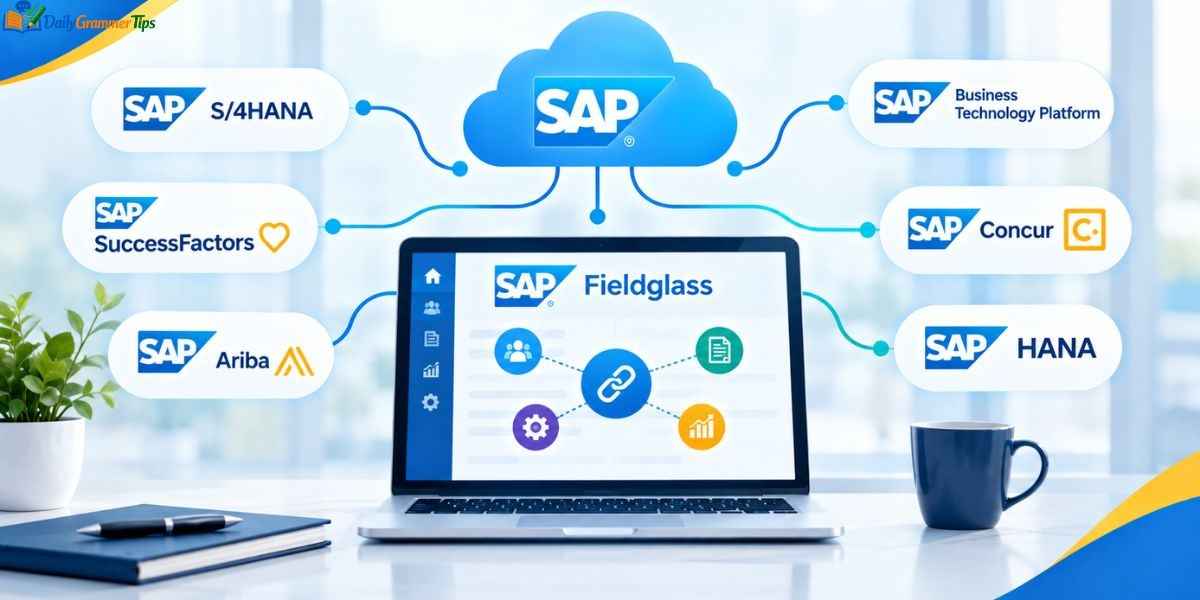
One of the strongest advantages of the platform is how deeply it integrates with the rest of the SAP product ecosystem. This connectivity allows companies to manage both their internal employees and external workforce from a unified data environment, rather than juggling separate systems.
SAP SuccessFactors provides employee lifecycle data that flows directly into the platform, enabling seamless collaboration between internal HR teams and external workforce managers. This means a company can see its full workforce picture, employees and contractors alike, without switching between disconnected platforms.
SAP Ariba, on the other hand, supports the procurement side of the relationship, handling supplier and service provider transactions that connect directly with Fieldglass workflows. Together, these integrations reduce duplicate data entry and improve accuracy across finance and procurement departments.
SAP Business Network further extends this connectivity by streamlining communication between enterprises and their broader labor ecosystem, including staffing agencies and independent suppliers. This connected approach is one of the biggest reasons large enterprises continue to choose this platform over standalone vendor management tools that lack this level of integration.
This level of integration also reduces security risk, since sensitive worker and supplier data does not need to be exported and re imported between multiple disconnected systems. Fewer manual handoffs generally means fewer opportunities for errors or data leaks across departments.
Benefits of Using SAP Fieldglass
Organizations that adopt the platform typically see measurable improvements across several areas of their workforce operations. The following benefits are the ones most commonly reported by businesses using the system in real world settings.
- Greater visibility into who is working for the company, at what cost, and under what contractual terms.
- Reduced compliance risk through built in policy and regulatory checks across regions.
- Lower administrative overhead thanks to automated invoicing and approval workflows.
- Better cost control through supplier rate comparisons and detailed spend analytics.
- Faster access to talent through streamlined sourcing and onboarding processes.
- Improved decision making powered by real time reporting and forecasting tools.
Together, these benefits help organizations unlock the full potential of their external workforce while keeping costs and risk firmly under control. This is why it has become a standard choice for enterprises managing large or complex contractor populations across multiple business units.
Beyond the measurable gains, many companies also report softer benefits such as improved supplier relationships and better internal alignment between HR, procurement, and finance teams. These improvements are harder to quantify but often make day to day operations noticeably smoother.
Most organizations begin seeing a return on their investment within the first year of using SAP Fieldglass, particularly around reduced invoicing errors and faster supplier onboarding. Larger programs with thousands of active contractors tend to see the biggest financial impact from these efficiency gains.
Procurement leaders often point to reduced maverick spend, meaning purchases made outside approved channels, as one of the more overlooked financial benefits. Because every engagement runs through the same centralized workflow, it becomes much harder for contractor spend to bypass proper approval and budget controls.
SAP Fieldglass Global Reach & Industry Coverage
The platform stands out for its scale, operating in more than 180 countries and supporting over 22 languages. This global reach makes it possible for multinational companies to manage their contingent workforce consistently, no matter where their operations are located around the world.
Beyond language support, the platform offers full invoicing capabilities in 118 countries, which helps businesses stay compliant with local financial and tax regulations while working across borders. This level of coverage is difficult to match for smaller or regionally focused vendor management platforms.
The system also serves a wide range of industries, including manufacturing, healthcare, finance, and public administration. Each of these industries has unique compliance and workforce challenges, and the platform is built to accommodate that variety through configurable workflows and policies tailored by sector.
This combination of global reach and industry flexibility positions the platform as a strong option for organizations with complex, cross border, or cross industry workforce needs. Few competing platforms can match this breadth of country and language coverage at the same scale.
Compliance requirements also vary significantly by region, from data protection rules in Europe to local labor classification laws in parts of Asia and Latin America. SAP Fieldglass is built to accommodate these regional differences within one platform, rather than requiring a separate system for every country of operation.
Who Uses SAP Fieldglass? (Use Cases by Industry)
The platform is used by a wide variety of teams and industries, each relying on it for slightly different reasons. Understanding these use cases can help you see where it fits within a typical organization’s day to day operations.
Procurement teams use it to source and manage suppliers, negotiate rates, and track spend across multiple contractor categories. Human resources teams use the system alongside SuccessFactors to get a complete view of the total workforce, including both employees and contingent workers, in one place.
In manufacturing, the platform helps companies manage specialized contract labor for production lines and project based engineering work that requires niche technical skills. In healthcare, organizations use it to manage clinical and non clinical contingent staff while maintaining strict compliance standards throughout every engagement.
Retail and logistics companies also make heavy use of the platform, particularly to manage seasonal warehouse and distribution staff during peak periods such as major holidays. Being able to scale a contingent workforce up or down quickly through one system is often the difference between meeting demand and missing it.
Education and public research institutions represent another growing segment, often using the platform to manage grant funded researchers, adjunct staff, and short term academic contractors. These organizations tend to value the compliance tracking features most, since grant funding usually comes with strict reporting obligations attached.
Financial services firms rely on the platform to manage consultants and project based service providers while keeping tight control over spend and regulatory compliance. Public sector organizations also use the platform, including dedicated federal instances, to manage contractors under strict government procurement rules and reporting requirements.
Technology companies are also frequent users of the platform, particularly for managing specialized contract developers, IT consultants, and short term project teams that scale up and down with product cycles. This flexibility to expand or reduce contractor headcount quickly is one of the platform’s most valued strengths in fast moving industries.
SAP Fieldglass Competitors & Alternatives
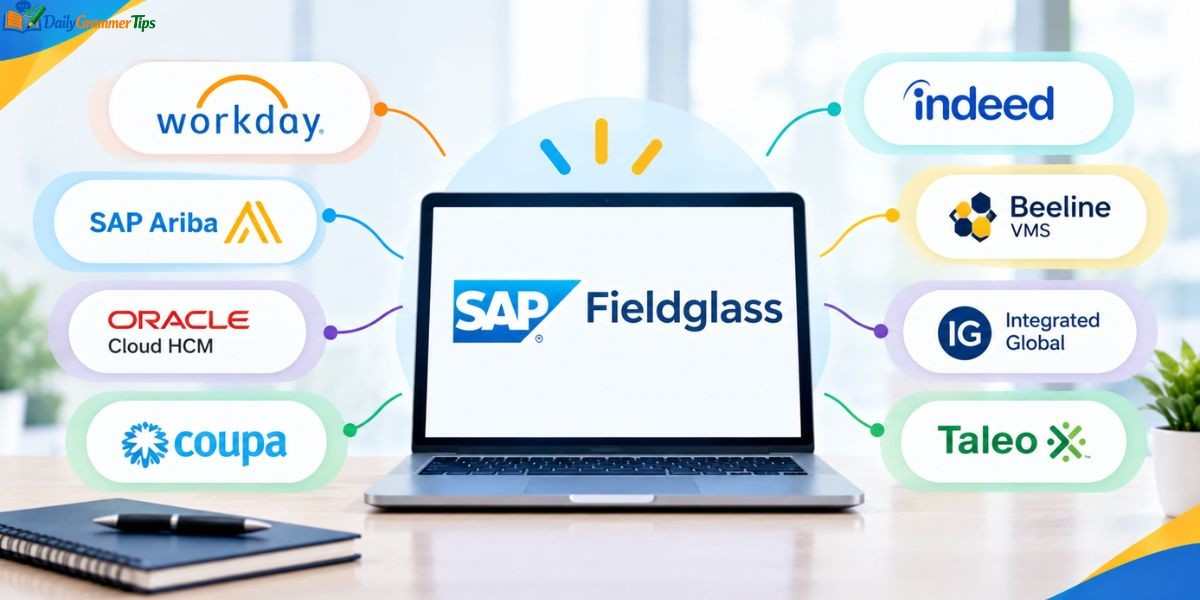
SAP Fieldglass operates in a competitive vendor management system market, with several other platforms offering similar contingent workforce capabilities. The table below highlights some of the most recognized alternatives and what each one is generally known for in the industry.
| Competitor | Known For |
| WorkMarket, an ADP company | Freelance workforce automation |
| Magnit, formerly Pro Unlimited | Strong total talent intelligence capabilities |
| Coupa Contingent Workforce | Emerging player after acquiring DCR Workforce |
| PeopleFluent | Integrated talent management with VMS features |
| Upwork Enterprise | Large scale freelance program management |
Some enterprise resource planning and human capital management providers, such as Oracle, UKG, and Infor, also offer contingent workforce functionality, although not all of them provide a standalone vendor management platform in the same way this platform does.
Choosing between the platform and these alternatives usually comes down to company size, existing SAP investment, and the complexity of the workforce being managed. Organizations already using other SAP products often find it to be the more natural fit due to its deep ecosystem integration and shared data model.
When evaluating vendor management systems, most procurement teams weigh a similar set of factors, including implementation cost, global coverage, ease of supplier adoption, and how well the tool integrates with existing HR and finance systems. SAP Fieldglass tends to score particularly well on global coverage and ecosystem integration, which is why it remains a top choice for large, multinational programs.
It is also common for companies to run a request for proposal process before selecting a vendor management system, comparing pricing, implementation support, and customer references across a shortlist of providers. Many procurement teams find it useful to speak directly with current customers of each platform to understand real world implementation experiences before making a final decision.
Is SAP Fieldglass Right for Your Business?
Whether the platform is the right choice depends largely on the size and complexity of your external workforce. Large enterprises with global operations, multiple supplier relationships, and strict compliance requirements tend to benefit most from the full deployment.
Smaller businesses with simpler contractor management needs may find Fieldglass Flex a better fit, since it offers core functionality without the cost and configuration effort of a full enterprise rollout. Companies that already use SAP SuccessFactors or SAP Ariba will also gain additional value from the platform due to its native integrations across the ecosystem.
Before committing to the platform, it is worth considering implementation timelines, internal resources for configuration, and how the system will fit into existing procurement and HR workflows. Rolling out a new vendor management system typically requires input from multiple departments, so early alignment tends to make the process smoother.
For organizations managing a significant contingent workforce across multiple regions, the platform generally offers one of the most complete solutions available today. Smaller or single region businesses may still find value, but the return on investment tends to grow alongside workforce complexity.
It also helps to ask a few internal questions before moving forward, such as how many active contractors the company manages, whether current spend visibility is adequate, and how much time is currently lost to manual invoicing and approvals. The answers to these questions usually make the decision much clearer.
How to Log In to SAP Fieldglass
Logging into the platform is straightforward since it is entirely web based and requires no software installation on the user’s device. Users simply need an internet connection and a supported browser to access their account from anywhere in the world.
To sign in, users enter their assigned username and password on the SAP Fieldglass login page. The platform also displays helpful prompts, such as warnings if caps lock is accidentally turned on, to reduce simple login errors before they cause access problems.
Access is typically provided through a company specific instance of the system, since large organizations often customize their environment for their own suppliers and internal workflows. Users who need help signing in can reach out through the built in help center directly from the login screen without contacting internal IT first.
Most company instances also support password reset tools and, in many cases, additional authentication steps to keep supplier and worker accounts secure. These safeguards matter given how much sensitive workforce and payment data flows through the platform on a daily basis.
SAP Fieldglass EU vs US Instances
Because SAP Fieldglass serves a global customer base, the platform operates through region specific instances to meet local data and compliance requirements. The table below outlines the general differences between the EU and US environments that companies typically encounter.
| Feature | EU Instance | US Instance |
| Data Residency | Hosted within Europe | Hosted within the United States |
| Compliance Focus | Aligned with EU data protection standards | Aligned with US regulatory standards |
| Primary Users | European headquartered organizations | US headquartered organizations |
| Access URL | Region specific EU login portal | Region specific US login portal |
Companies operating across both regions may need to manage separate accounts depending on where their suppliers and workers are based. This regional structure helps the platform meet strict local compliance obligations while still offering a consistent global experience for every user.
For multinational businesses, understanding which instance applies to which part of the organization is an important early step during implementation planning, since mixing up regional accounts can create unnecessary confusion for suppliers.
Data residency rules, such as those tied to European data protection regulation, are a major reason SAP Fieldglass maintains separate regional environments rather than a single global database. This approach allows the platform to meet strict legal requirements without limiting its worldwide functionality.
SAP Fieldglass Timesheet & Time Entry Process
Accurate time tracking is one of the most important daily functions of the platform, since it directly connects to invoicing and payroll processes downstream. Workers log their hours worked directly into the system, typically on a weekly or biweekly basis depending on company policy.
Once a timesheet is submitted, it moves through an approval workflow where the assigned manager reviews and either approves or rejects the entry. This structured process reduces disputes over hours worked and ensures that only verified time gets billed to the client.
Expense sheets follow a similar process, allowing workers to submit costs such as travel or materials for manager approval before reimbursement. After approval, both time and expense data feed directly into the invoicing process, allowing the platform to generate accurate supplier invoices without manual recalculation.
This tight connection between time entry, approvals, and invoicing is one of the reasons the platform significantly reduces administrative work for both suppliers and internal finance teams, particularly at large scale.
If a timesheet is submitted late or contains an error, the platform allows managers to send it back for correction rather than rejecting it outright. This keeps the payment cycle moving while still maintaining accuracy across every submitted record.
SAP Fieldglass Mobile App
The platform also supports mobile access, allowing workers, managers, and suppliers to interact with the system without being tied to a desktop computer. This is particularly useful for contingent workers who are frequently on the move or working at client sites away from an office.
Through mobile access, users can submit or approve timesheets, review work order details, and receive notifications about pending tasks that need their attention. Managers benefit from being able to approve time entries or requisitions quickly, even when they are away from their desk during a busy day.
While the full depth of features is generally more accessible through the desktop version, mobile access helps keep approval cycles moving and reduces delays in the overall workforce management process, which matters most during high volume periods.
Field based workers, such as those on manufacturing sites or client locations without easy desktop access, benefit the most from this mobile functionality. Being able to log hours or check work order status from a phone removes one of the most common friction points in contingent workforce management.
How to Register on SAP Fieldglass (Supplier Registration)

Suppliers and staffing agencies that want to work with a company using the platform typically begin the process through an email invitation. This invitation includes instructions for completing the initial registration on the system.During registration, suppliers are asked to review and confirm pre filled company information, such as name and address, and then create a unique username. They also set their preferred system settings before completing the setup process and gaining full access.
A designated Supplier Administrator is usually the first person to register on behalf of a company, and this person is then responsible for managing user access going forward. The Supplier Administrator can add additional users from their organization once their own account is fully set up and verified.If a supplier already has an existing account on the platform from working with another client, they can often link that account during registration instead of creating a completely new one. This helps avoid duplicate profiles and keeps supplier data consistent across multiple client relationships over time.
Large enterprises sometimes roll out this platform to thousands of suppliers at once during a company wide transition, often described internally as a pilot wave or phased rollout. Suppliers who are contacted during this kind of transition are generally expected to complete registration promptly to avoid disruption to ongoing or future work requests.
Frequently Asked Questions
What is SAP Fieldglass used for?
It is used to source, manage, and pay contingent workers, freelancers, and service providers through one centralized cloud based platform.
How does Fieldglass work?
It works by digitizing the entire external workforce process, from requisition creation to onboarding, time tracking, and final invoicing.
How do I register for SAP Fieldglass?
Suppliers register through an email invitation, confirming company details and creating a username before a Supplier Administrator manages further user access.
Who owns SAP Fieldglass?
It is owned and operated by SAP SE, the same company behind SAP SuccessFactors and SAP Ariba.
What is the main purpose of SAP?
SAP provides enterprise software that helps businesses manage core functions such as finance, human resources, procurement, and workforce operations at scale.
Conclusion
SAP Fieldglass has established itself as one of the leading vendor management systems for organizations that need a structured, compliant, and scalable way to manage their external workforce. From sourcing and onboarding to time tracking and invoicing, the platform brings every stage of contingent workforce management into a single connected system that reduces manual work across departments.
For businesses already invested in the broader SAP ecosystem, or those managing a large and complex network of contractors and suppliers across multiple regions, the platform offers a level of depth and integration that is difficult to match. Understanding its features, functionality, and available alternatives puts you in a strong position to decide whether this platform is the right fit for your organization, and as contingent labor continues to make up a larger share of the modern workforce, tools like SAP Fieldglass are likely to become even more central to how companies plan, source, and manage talent going forward.
