

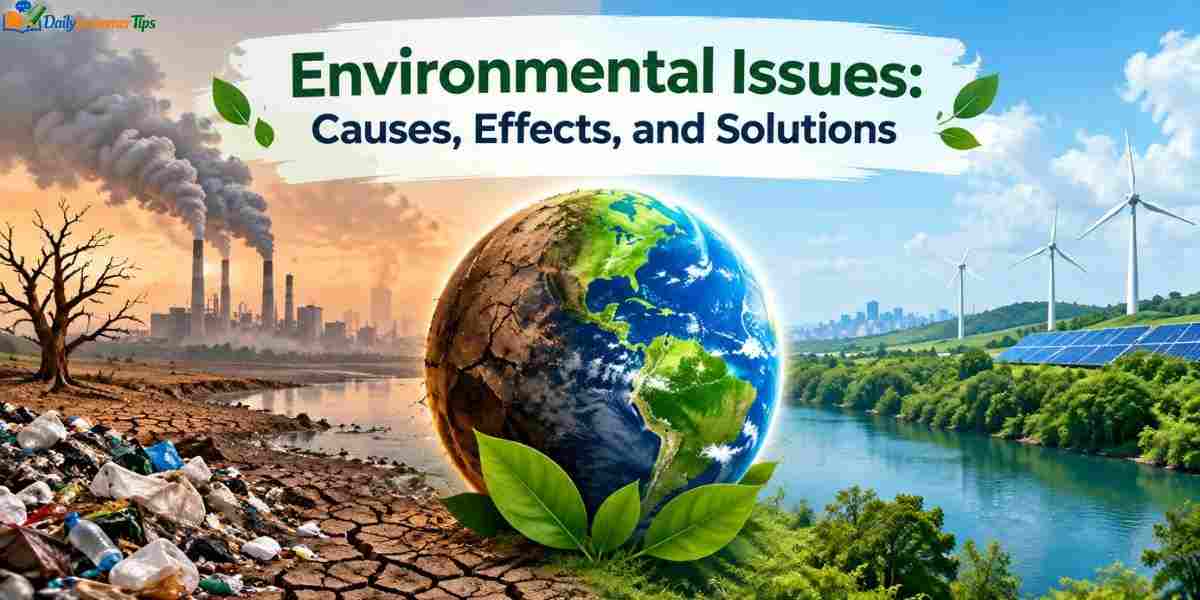
Our planet supplies the air we breathe, the water we drink, and the food we eat. Human activity now strains every one of these gifts. Rivers turn toxic, forests shrink, and the climate keeps changing. Environmental issues affect people in every country, rich or poor.
This guide explains the most serious environmental issues in simple words. You will see what causes each problem and how it harms people and nature. It also covers practical solutions, a close look at Pakistan, and ideas for essays and projects. Once you see how environmental issues connect, real solutions become easier to spot.
What Are Environmental Issues?
Environmental issues are harmful changes to the natural world, caused mostly by human actions. They damage air, water, soil, wildlife, and climate. Some are local, like a polluted stream near a factory. Others are global, like a warming planet. Scientists study both kinds to find lasting answers.
Environmental issues are also deeply connected to each other. Burning fuel pollutes the air and warms the planet at the same time. Warmer seas then harm fish and coral. One weak link can shake an entire ecosystem, and people feel the impact soon after.
Natural Causes and Human Causes
Nature can disturb itself. Volcanic eruptions, floods, and forest fires have always happened. Ecosystems usually recover from these events over time. Many plants even depend on fire or flooding to renew themselves. These natural cycles are part of a healthy planet.
Human activity changes the speed and the scale. Factories, farms, vehicles, and cities release waste faster than nature can absorb it. Damage that once took thousands of years can now happen within decades. This is why most modern problems are seen as human made.
Why These Problems Matter to Everyone
A damaged environment costs money and lives. People lose crops, homes, and clean drinking water. Families pay more for health care and food. Poorer communities usually suffer first, because they have fewer ways to protect themselves.
Businesses face supply shortages and rising repair costs. Children inherit a harder world than their parents did. Protecting nature is therefore a shared duty. It is not a choice reserved for a few experts or activists.
Climate Change and Global Warming
Climate change means long lasting shifts in temperature and weather patterns. Global warming is the rise in the planet’s average surface temperature. Earth has warmed by roughly one degree Celsius since the late nineteenth century. That may sound small, but it changes ice, oceans, and rainfall.
Most of this warming comes from greenhouse gases released by human activity. These gases trap heat like a blanket around the planet. Among all environmental issues, this one drives many others. It raises seas, dries farmland, and fuels stronger storms.
Causes of Rising Temperatures
Burning coal, oil, and gas is the largest source of greenhouse gases. Cutting forests removes trees that absorb carbon dioxide. Farming and livestock add methane and nitrous oxide. Each of these activities looks ordinary on its own.
Cement making, steel production, and long distance transport add even more. Together, these activities reshape the atmosphere. Rising temperatures are one of the most studied environmental issues because their effects reach every region.
Effects on People and Nature
Warmer air melts glaciers and ice sheets. Seas rise and flood coastal towns. Heatwaves, droughts, and storms grow stronger and more frequent. Farmers struggle with unpredictable seasons and failing harvests.
Diseases spread into new areas as temperatures climb. Many animals lose the habitat they need to survive. Some species move to cooler places, while others cannot. Communities that depend on rain, snow, or rivers feel the shock first.
Air Pollution

Air pollution means harmful gases and tiny particles floating in the air we breathe. It comes from vehicles, factories, power plants, and burning waste. Almost everyone living in a large city is exposed to it. Often, the danger is invisible.
The World Health Organization links air pollution to millions of early deaths each year. It is one of the deadliest environmental issues for human health. The harm is usually slow and silent. People may not notice it until illness appears.
Main Sources of Dirty Air
Vehicles release carbon monoxide, nitrogen oxides, and fine dust. Factories and power plants release sulfur dioxide and soot. Burning crop residue and household waste adds thick smoke. Old engines without filters release far more pollution than modern ones.
Dust storms and wildfires add particles as well. Poor fuel quality makes every source worse. Indoor smoke from cooking fires also harms families, especially women and children. Clean air needs action on all of these fronts.
Health and Environmental Damage
Fine particles enter the lungs and bloodstream. They cause asthma, heart disease, and lung cancer. Children and elderly people suffer the most. Even short spells of heavy smog can send many people to hospital.
Sulfur and nitrogen gases create acid rain. Acid rain harms crops, forests, lakes, and old buildings. Smog also cuts visibility and makes roads more dangerous. Plants grow more slowly under dirty skies.
Water Pollution
Water pollution happens when harmful substances enter rivers, lakes, seas, or groundwater. Sewage, factory waste, and farm chemicals are the main culprits. Polluted water becomes unsafe for drinking, farming, and wildlife. Once contamination spreads, cleaning it is slow and costly.
More than a billion people still lack safe drinking water. That makes water quality one of the most urgent environmental issues for public health. Clean water is a basic human need. Every drop that is protected today saves money and lives tomorrow.
Common Sources of Contaminated Water
Untreated sewage carries bacteria and viruses. Factories discharge metals, dyes, and chemicals. Farms wash fertilizer and pesticide into streams during rain. Each source adds a different kind of harm.
Oil spills and plastic waste damage seas. Leaking landfills poison groundwater. Even small daily habits add up, like pouring paint or chemicals down a drain. Careful disposal protects the water we all share.
Diseases and Ecosystem Harm
Dirty water spreads cholera, typhoid, and diarrhea. It can also carry toxic metals that harm the brain and kidneys. Skin infections are common where people bathe in polluted streams. Children are the most vulnerable.
Too many nutrients in water cause algae blooms. The algae use up oxygen, and fish die in large numbers. Whole aquatic food chains can collapse. Communities that depend on fishing lose both food and income.
Biodiversity Loss
Biodiversity is the variety of all living things on Earth. It includes animals, plants, fungi, and tiny microbes. Healthy variety keeps ecosystems stable and productive. Each species plays a small but real role.
A major WWF report found that wildlife populations have fallen by about two thirds since 1970. Species are vanishing faster than at any earlier time in human history. This is one of the gravest environmental issues facing nature. Once a species is gone, it cannot return.
What Drives Species Loss
Habitat destruction is the top cause. Forests, wetlands, and grasslands are cleared for farms and cities. Hunting and illegal wildlife trade add more pressure. Pollution poisons animals and the food they eat.
Invasive species push out native ones. Climate change shifts the conditions that animals need. Many species cannot move or adapt fast enough. Small populations are especially at risk.
Why Nature’s Variety Protects Us
Bees and other insects pollinate our crops. Wetlands filter water and reduce floods. Forests store carbon and cool the air. These services are free, but replacing them would cost enormous sums.
Many medicines come from plants and animals. When a species vanishes, we may lose a future cure. Rich ecosystems also handle shocks like disease and drought better. Variety is nature’s insurance policy.
Deforestation
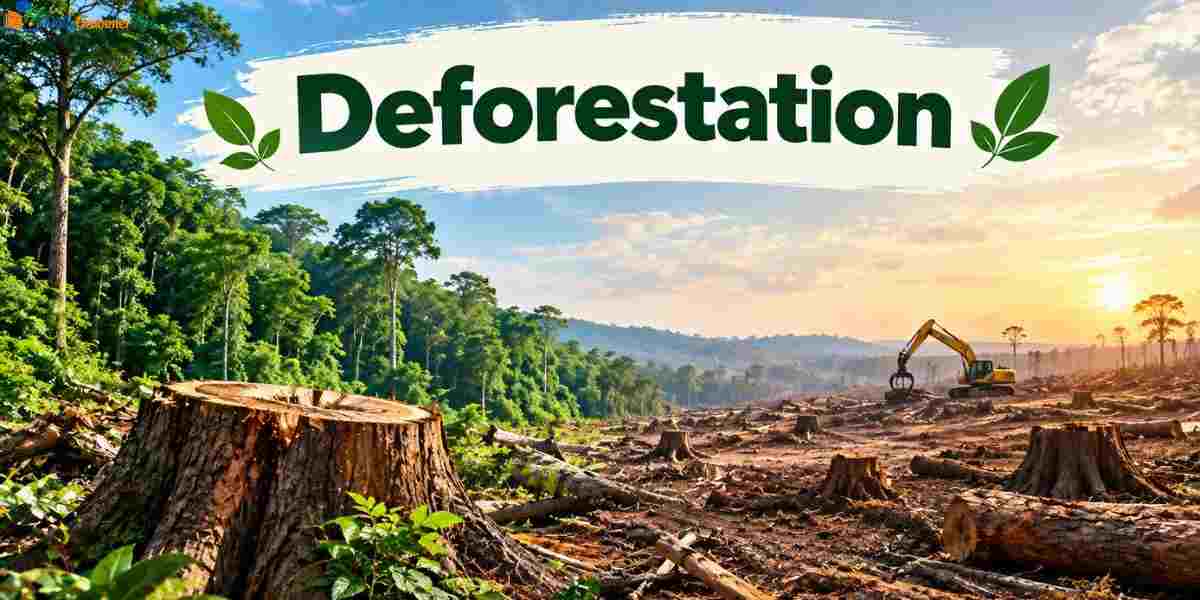
Deforestation is the permanent clearing of forests for other uses. Farming, logging, mining, and road building are the main reasons. Huge areas of woodland are lost every year. Some of the loss is legal, and some is not.
Forests are home to most of the world’s land animals and plants. They also store carbon and protect soil. Losing them deepens many other environmental issues. That is why forest protection matters far beyond the trees themselves.
Why Forests Are Being Cut
Cattle ranching and crop farming take the largest share. Demand for palm oil, soy, and timber pushes clearing further. Weak land laws and poor enforcement make it easier. Roads open remote forests to new settlers.
In some regions, poor families cut trees for fuel and income. Without other options, they have little choice. Real solutions must respect these needs. Alternative energy and jobs can reduce the pressure.
Consequences of Forest Loss
Without tree roots, soil washes away and floods become worse. Rainfall patterns change. Local temperatures rise. Rivers carry more mud and become harder to clean.
Carbon stored in trees is released into the air. Wildlife loses shelter and food. Indigenous and rural communities lose their homes and livelihoods. Rebuilding a mature forest takes generations.
Plastic Pollution and Solid Waste Management
Plastic is cheap, light, and useful. It is also extremely durable. Most of the plastic ever made still exists in some form. That strength turns into a problem once it becomes waste.
Solid waste includes household trash, packaging, food scraps, and factory scrap. Poor collection and disposal turn it into a serious health risk. It is one of the most visible environmental issues in growing cities. Overflowing bins and blocked drains are common signs.
The Plastic Problem on Land and at Sea
More than ten million tons of plastic reach the ocean every year. Sea turtles, birds, and fish mistake it for food. Plastic slowly breaks into microplastics that enter the food chain. Scientists have even found traces in human blood.
Plastic bags block drains and worsen urban floods. Burning plastic releases toxic smoke. Recycling rates remain low in most countries. Cheap single use items make the problem grow faster.
Better Ways to Handle Waste
Good waste management starts with reducing what we throw away. Reuse and recycling come next. Composting turns food scraps into rich soil. Each step keeps waste out of rivers and landfills.
Cities need regular collection, sorted bins, and safe landfills. Clear rules for producers help too. When makers are responsible for their packaging, less waste is created. Public habits then follow the system.
Learn more……….Ensemble Learning in Machine Learning: Types, Methods & Python Examples
Ozone Layer Depletion
The ozone layer is a thin shield high in the atmosphere. It absorbs most of the sun’s harmful ultraviolet rays. Without it, life on land would face serious danger. Protecting it is essential for health and food security.
Chemicals called CFCs, once common in sprays and cooling systems, damaged this shield. Chlorine from them breaks down ozone molecules. Global action has since healed part of the damage. It remains an important chapter in the story of environmental issues.
How the Damage Happened
CFCs rose into the upper atmosphere and stayed there for decades. Sunlight released chlorine atoms from them. A single chlorine atom can destroy thousands of ozone molecules. The effect was powerful and long lasting.
This created a large thinning over Antarctica each spring. It became known as the ozone hole. Scientists raised the alarm in the 1980s. Governments listened, which was not always the case with other problems.
Health Risks and a Lesson in Cooperation
More ultraviolet rays raise the risk of skin cancer and eye cataracts. They also harm crops and tiny sea plants called plankton. Protecting the ozone layer protects the base of the food chain. Sun safety habits also help.
The Montreal Protocol phased out most ozone harming chemicals. It is widely seen as a rare success story. It proves that countries can act together when the science is clear. The same spirit is needed for climate change today.
Ocean Health and Overfishing

Oceans cover most of the planet and regulate its climate. They absorb heat and carbon dioxide. They also feed billions of people. Life on Earth began in the sea, and we still depend on it.
Today oceans face warming, acidification, pollution, and overfishing all at once. Together these pressures make ocean health one of the most pressing environmental issues. The damage is hard to see from land. It is still deep and widespread.
Acidification and Coral Loss
Oceans absorb nearly a third of the carbon dioxide we release. This makes the water more acidic. Shell building animals such as oysters and corals struggle to grow. Their skeletons become weaker.
Warm water also causes coral bleaching. Reefs shelter about a quarter of all marine species. When reefs die, fish populations fall. Coastlines also lose a natural shield against waves.
Overfishing and Its Fallout
Overfishing means catching fish faster than they can breed. Large fleets with huge nets take too many. Many fish stocks are now fully used or depleted. Some large species have declined sharply.
Bycatch kills turtles, sharks, and seabirds. Small fishing communities lose their income. Better quotas, marine protected areas, and honest labels can help. Ending harmful subsidies also reduces pressure.
Overpopulation
The world’s population has grown rapidly in the past century. It is expected to approach ten billion by the middle of this century. More people mean more demand for food, water, land, and energy. Cities grow fastest of all.
Population alone is not the whole story. How much each person consumes matters just as much. Still, growth adds strong pressure to many environmental issues. Fair and efficient use of resources is the real goal.
Pressure on Resources
Growing cities need housing, roads, and power. Farmland expands into forests and wetlands. Freshwater sources are drawn down faster than they refill. Every new demand competes with nature for space.
Waste piles up faster than systems can handle it. Air and water in crowded areas get dirtier. Basic services like schools and clinics struggle to keep up. Poor planning makes each problem worse.
Solutions That Respect People
Education, especially for girls, lowers birth rates in a natural way. Access to health care and family planning helps families decide freely. These steps also reduce poverty. Smaller, healthier families can invest more in each child.
Efficient cities and sustainable farming let more people live well with less harm. The goal is not fewer people at any cost. It is a fairer and lighter footprint per person. Rich and poor countries both have a role.
Environmental Issues in Pakistan
Pakistan faces a mix of pollution, water stress, and climate risk. Rapid growth in cities and industry has outpaced planning. Many towns lack proper sewage and waste systems. Government agencies work on these problems, but resources are limited.
The country adds little to global emissions, yet it is among the most exposed to climate impacts. Floods, heatwaves, and droughts now strike with growing force. These environmental issues touch farming, health, and the economy. Ordinary families feel them every year.
Air, Smog, and Vehicle Emissions
Vehicles are a major source of city air pollution. Old engines, poor fuel, and heavy traffic make it worse. Factories and brick kilns add thick smoke. Many cities exceed safe limits on numerous days.
In winter, dense smog covers large parts of Punjab. Schools and travel are sometimes disrupted. Asthma and chest infections rise sharply during these weeks. Cleaner fuels and better public transport are key fixes.
Water, Waste, and the Coast
Sewage and factory waste often flow into rivers and drains without treatment. Tanneries and textile units are known for heavy chemical discharge. Groundwater near cities is often unsafe. Water linked diseases fill many hospital beds.
Karachi’s waste reaches the sea with little treatment. Mangroves along the coast have shrunk. Laws like the Pakistan Environmental Protection Act 1997 exist. Stronger enforcement and modern treatment plants are still needed.
Solutions to Environmental Issues
No single fix can solve every problem. Real progress needs action from governments, businesses, and individuals. Each group has its own tools and duties. Working together multiplies the results.
The most effective solutions tackle causes, not just symptoms. They also share benefits fairly. Solutions to environmental issues work best when they are practical and affordable. Communities accept them faster when they see clear gains.
Clean Energy and Efficiency
Shifting from coal and oil to solar, wind, and hydropower cuts emissions. Energy saving buildings and appliances reduce demand. Public transport and electric vehicles clean up city air. Each step also improves energy security.
These steps lower long term energy bills. They reduce dependence on imported fuel. Clean energy is among the strongest tools against environmental issues. Every unit of energy saved is a unit that never has to be produced.
Protecting Nature and Reducing Waste
Planting and protecting forests restores carbon storage and wildlife habitat. Wetlands and mangroves shield coasts from storms. Sustainable farming protects soil and water. Nature often solves problems for free when given space.
Reduce, reuse, and recycle remains a simple rule. Fixing things instead of replacing them saves resources. Choosing durable products cuts waste at the source. Small choices repeated by millions create large change.
Environmental Issues in Pakistan

To solve a problem, we must know its roots. Several linked causes sit behind most environmental issues in Pakistan. Understanding them helps target the right fixes. This section looks at why the damage keeps growing.
These causes are not unique to one country. Many developing nations face the same pattern. Still, local context shapes what works. Fixes must fit local income, culture, and climate.
Population, Poverty, and Urban Growth
Fast population growth adds pressure on land, water, and fuel. Poverty pushes people toward cheap but harmful options, like burning wood or waste. Cities expand without enough planning. Farmland is lost to new housing.
Informal settlements often lack drains and clean water. Waste collection rarely keeps pace. This mix makes local pollution worse each year. Better planning and affordable housing can break the cycle.
Weak Enforcement and Limited Awareness
Environmental laws exist, but monitoring is limited. Many agencies lack equipment and trained staff. Polluters sometimes face few consequences. Industry often lacks affordable clean technology as well.
Public awareness is uneven. Many people do not link daily habits with health problems. Education and open data can change this over time. Media, schools, and community leaders can all help spread the message.
Environmental Issues in the World
Environmental issues look different in each region, yet they share common roots. Rich nations tend to emit more per person. Poorer nations often suffer the first and hardest impacts. This gap raises important questions of fairness.
Pollution and climate effects also cross borders. Smoke, ocean plastic, and rising seas do not stop at a national line. That is why global cooperation matters. No country can fix these problems alone.
Regional Snapshots
South Asia struggles with severe air pollution and water stress. Africa faces drought, desertification, and land loss. Small island nations face rising seas that threaten their very existence. Each region needs solutions that fit its needs.
The Amazon and Southeast Asia lose forests to farming. The Arctic warms faster than almost anywhere else. Each region shows a different face of the same crisis. Together they form a global picture.
Global Agreements and Cooperation
The Paris Agreement aims to limit warming by cutting emissions. The Montreal Protocol has helped heal the ozone layer. Talks on plastic and ocean protection continue. Progress is real, but slow.
Agreements only work when countries follow through. Funding for poorer nations is a key issue. Trust and fairness decide the pace of progress. Citizens can push their leaders to keep promises.
Environmental Issues Essay
Students often write about environmental issues for school and exams. A strong essay is clear, focused, and supported by facts. It should also offer a fair and hopeful view. Teachers value original thinking over copied lines.
Choose one main message and keep every paragraph tied to it. Avoid long lists without explanation. Quality matters more than length. A calm and confident tone works best.
A Simple Essay Structure
Start with a short introduction that defines the topic. Add two or three body paragraphs, each covering one issue. End with a conclusion that offers solutions. This shape works for almost every level.
Use short sentences and simple words. Give one example per point. A sample opening line could be: our planet is the only home we have, and we must protect it. Then explain why.
Points to Include for Better Marks
Mention causes, effects, and solutions for each issue. Add one local example, such as smog or plastic waste. Use one or two reliable facts, but avoid packing in numbers. Clear logic beats heavy statistics.
Show your own thinking in the closing lines. A personal action plan makes the essay memorable. Check spelling and grammar before you submit. Read it aloud once to catch awkward sentences.
Environmental Problems and Solutions
Every serious problem has more than one possible answer. Many environmental issues can be reduced with the same set of habits and policies. Matching each problem with a fitting solution makes action clearer. It also shows that change is possible.
Below are common problems paired with practical responses. Some need policy, while others need personal habits. Both matter. The strongest plans combine the two.
Pollution Problems and Their Fixes
Air pollution needs cleaner fuels, better public transport, and strict emission rules. Water pollution needs treatment plants and control of industrial discharge. Plastic pollution needs less packaging and better recycling. Each fix works best with regular monitoring.
Noise and soil pollution need smart planning and safe farming practices. Rules must be enforced fairly. Community reporting helps authorities act faster. Small local wins build public trust.
Resource and Climate Problems and Their Fixes
Deforestation needs protected areas, replanting, and sustainable supply chains. Water scarcity needs efficient irrigation, rainwater harvesting, and careful pricing. Climate change needs rapid cuts in emissions and support for adaptation. Each plan needs funding and clear targets.
Biodiversity loss needs habitat protection and strong laws against wildlife trade. Soil loss needs cover crops and less ploughing. Together these steps form a solid plan. The key is to start now and stay consistent.
Environmental Issues Examples
Real examples make big ideas easier to grasp. They show how environmental issues appear in daily life and in distant places. Here are some clear cases from around the world. Each one carries a lesson.
Every example connects to a wider chain of cause and effect. Learning from them helps prevent similar harm elsewhere. They also make essays and presentations more convincing. Choose examples you can explain in your own words.
Well Known Examples From Around the World
The shrinking Aral Sea shows what happens when rivers are over used for irrigation. Once a large inland sea, it lost most of its water. Local fishing towns collapsed. Salty dust now harms nearby land and health.
Ocean garbage patches show how plastic gathers at sea. Bleached corals show the effect of warming waters. Rainforest fires show how forest loss speeds up. Each event tells a story of human choices.
Everyday Examples Near Home
Smoke from burning waste, clogged drains after heavy rain, and plastic bags in canals are common sights. Dry taps in summer and dust in winter also count. These are small signs of bigger problems. You can spot them on a short walk.
Noticing them is the first step. Local action, like clean up drives and tree planting, can improve neighbourhoods quickly. Share your findings with friends and family. Awareness spreads fastest through people we trust.
Environmental Issues Topics
Choosing a good topic saves time and gives your work direction. The best topics are specific, current, and interesting to you. Broad titles often lead to shallow writing. A narrow focus lets you go deeper.
The lists below cover popular environmental issues topics for students and researchers. Use them for essays, speeches, debates, or projects. Narrow each idea to a place, a cause, or a solution. That makes your work sharper.
Topics for Students and Schools
Plastic free schools, safe drinking water, tree planting drives, and waste sorting are easy to research. Air quality near your school makes a strong local study. Energy saving at home is another practical choice. All of them allow hands on learning.
Debates about clean transport, single use plastic bans, and green school uniforms are engaging. Students can also explore climate stories from their own families. Older relatives often remember how local weather has changed.
Topics for Research and Presentations
Advanced ideas include carbon markets, water sharing between regions, and the impact of fast fashion. You can also study urban heat islands or microplastics in food. Choose topics with reliable data. Good data makes strong conclusions possible.
Compare two cities, two policies, or two farming methods. Comparisons give clear findings. Always explain how you collected your information. Honest limits make research more trusted.
Environmental Issues PDF
Many learners search for a PDF version of study material. A well made PDF is easy to read offline and simple to share. It works well for class notes, reports, and revision. Clear layout matters as much as content.
If you plan to make one, keep it clean and organised. Use short sections and plain language. Add simple charts only when they help. A good environmental issues PDF should be easy to scan in minutes.
What a Good PDF Should Contain
Include a short definition, the main types of problems, their causes, and their effects. Add a solutions section with clear actions. A list of key terms helps beginners. Keep each page focused on one idea.-
Tips for Using and Sharing It Responsibly
Use trusted sources when collecting facts. Note the date of every statistic. Old data can mislead readers. Give credit to the organisations whose research you used.
Share the file digitally instead of printing many copies. This saves paper and ink. It also matches the message of protecting nature. Small habits reflect big values.
Environmental Issues Project

A project turns learning into action. It can be a poster, a model, a survey, or a community drive. The best projects solve a real local problem. They also teach teamwork and planning.
Plan your steps early. Set a clear goal, a small budget, and a timeline. Ask teachers or elders for guidance. Good planning is the foundation of any environmental issues project.
Simple Project Ideas
Start a waste sorting corner at school. Build a rainwater collection model. Plant and track a small green patch for three months. Record your results with photos and notes.
Survey your street for plastic waste and share the results. Create a series of awareness posters. Compare energy use in two classrooms and suggest savings. Small studies can lead to real change.
How to Present Your Project
Explain the problem, your method, your findings, and your solution in that order. Use photos, charts, and short captions. Keep your language clear and direct. A confident voice helps the audience follow.
Share what you learned and what you would do next. Honest results matter more than perfect ones. Invite feedback from your audience. Every question is a chance to improve.
Frequently Asked Questions
What are the top 5 environmental issues?
The top five are climate change, air pollution, water pollution, biodiversity loss, and deforestation. They are closely linked and often make each other worse.
What are the 10 major environmental problems?
They include climate change, air pollution, water pollution, plastic waste, deforestation, biodiversity loss, ozone depletion, overfishing, soil degradation, and overpopulation.
What is the environmental issue?
An environmental issue is any harmful change to natural systems, mostly caused by human activity. Pollution and climate change are two clear examples.
What are the top 10 current threats to the environment?
The main threats are global warming, extreme weather, plastic pollution, habitat loss, air pollution, water scarcity, ocean acidification, soil loss, food waste, and unsustainable mining.
What are the 15 environmental problems?
Fifteen common problems are climate change, global warming, air pollution, water pollution, soil pollution, noise pollution, plastic waste, deforestation, biodiversity loss, ozone depletion, ocean acidification, overfishing, overpopulation, food waste, and energy misuse.
Conclusion
Environmental issues are real, connected, and urgent. From dirty air to warming seas, each problem grows from human choices. The same choices can also repair the damage. Every solution in this guide starts with a decision to act.
Change begins with knowledge and moves through action. Governments can set fair rules, companies can clean up their work, and individuals can adopt better habits. Facing environmental issues together makes the task lighter. If everyone does a little, the whole planet gains.
