


ME/CFS patient education helps people understand myalgic encephalomyelitis/chronic fatigue syndrome, recognize its symptoms, and make informed decisions about care. This chronic illness can affect energy, sleep, memory, pain levels, and daily activities.
The Bateman Horne Center provides educational resources to help patients, families, and healthcare professionals better understand ME/CFS. Learning about the condition can help patients recognize post-exertional malaise (PEM), prepare for medical appointments, and explore ways to manage symptoms.
What Is ME/CFS?
Myalgic encephalomyelitis/chronic fatigue syndrome (ME/CFS) is a complex, chronic illness that can affect several body systems. It causes a substantial reduction in a person’s ability to carry out activities they could manage before becoming ill.
Unlike ordinary tiredness, ME/CFS is not simply relieved by getting more sleep or taking a few days off. Physical activity, mental effort, and even routine daily tasks can make symptoms worse.
ME/CFS patient education explains these differences and helps patients understand why their symptoms deserve proper medical attention.
What Does ME/CFS Stand For?
ME/CFS stands for myalgic encephalomyelitis/chronic fatigue syndrome. The terms are used together because the condition has been described under different names over time.
The illness can involve severe fatigue, post-exertional malaise, unrefreshing sleep, cognitive problems, pain, and difficulties with standing upright. Not every person experiences the same combination of symptoms.
How Is ME/CFS Different From Ordinary Fatigue?
Ordinary fatigue often improves with rest, sleep, or recovery from a busy day. ME/CFS involves persistent, disabling symptoms that can become worse after relatively small amounts of activity.
For example, a person might feel able to prepare a meal but experience increased pain, exhaustion, and brain fog later that day or the following day. This delayed reaction is an important reason ME/CFS can be misunderstood.
How Common Is ME/CFS in the United States?
The Centers for Disease Control and Prevention (CDC) has estimated that approximately 3.3 million adults in the United States live with ME/CFS, based on a national study published in 2021. The actual number may differ because the condition can be difficult to diagnose and some people remain undiagnosed.
These figures highlight the need for better awareness, accurate diagnosis, and accessible patient education. They also show why healthcare professionals and families need to understand more than fatigue alone.
What Causes ME/CFS?

The exact cause of ME/CFS remains unknown. Researchers are studying possible links involving immune function, the nervous system, autonomic regulation, and energy metabolism. No single explanation accounts for every case.
ME/CFS sometimes develops after an infection. Other people report symptoms following a period of physical stress or another health event. These patterns help guide research, but they do not prove one universal cause.
Is ME/CFS Related to Long COVID?
ME/CFS and Long COVID can share symptoms, including PEM, unrefreshing sleep, brain fog, and dizziness when standing. Some people develop an ME/CFS-like illness after COVID-19.
However, the two conditions are not identical. A healthcare professional can assess symptoms, their duration, and their effect on daily function to determine whether someone meets ME/CFS diagnostic criteria.
What Are the Main Symptoms of ME/CFS?
ME/CFS affects people differently. Symptoms may remain fairly stable, fluctuate from day to day, or become much worse after activity.
The main features include reduced ability to perform previous activities, persistent fatigue that does not improve with rest, PEM, and unrefreshing sleep. Cognitive impairment and orthostatic intolerance are also important diagnostic features.
What Is Post-Exertional Malaise (PEM)?
Post-exertional malaise is a worsening of symptoms after physical, mental, emotional, or social activity that a person previously tolerated. Symptoms may begin immediately or appear 12–48 hours later. Recovery can take days or weeks.
For example, grocery shopping or attending a family event may leave someone with severe exhaustion, pain, dizziness, and difficulty thinking. This delayed reaction is often called an ME/CFS crash.
ME/CFS patient education should explain PEM clearly because it is different from ordinary tiredness after exercise. Understanding this symptom helps patients recognize their limits and discuss activity-related problems with their healthcare providers.
How Does ME/CFS Affect Sleep and Thinking?
Many people experience unrefreshing sleep, meaning they wake up feeling exhausted despite spending enough time in bed. Some also experience insomnia, disrupted sleep, or other sleep problems that require assessment.
Brain fog can affect concentration, short-term memory, word-finding, and information processing. Reading, studying, working, or following a conversation may require more effort than before the illness.
Can ME/CFS Cause Dizziness and Pain?
Yes. Some people experience orthostatic intolerance, which means symptoms develop or worsen while sitting or standing upright. These may include dizziness, lightheadedness, weakness, palpitations, and faintness.
Muscle pain, joint pain, headaches, sore throat, and flu-like feelings may also occur. Some patients have overlapping conditions, such as postural orthostatic tachycardia syndrome (POTS), that need separate evaluation.
How Is ME/CFS Diagnosed?
There is currently no single laboratory test that confirms ME/CFS. Diagnosis involves a detailed medical history, physical examination, symptom assessment, and appropriate tests to evaluate other possible causes.
The CDC’s diagnostic framework identifies three required features: a substantial reduction in previous activity lasting more than six months with new fatigue, PEM, and unrefreshing sleep. The patient must also have cognitive impairment or orthostatic intolerance, or both.
What Conditions Can Look Like ME/CFS?
Other conditions can cause fatigue, pain, sleep problems, and cognitive difficulties. Examples include anemia, thyroid disorders, sleep apnea, medication effects, and certain infections or inflammatory illnesses.
A clinician may order blood tests or other investigations based on the person’s symptoms and medical history. Finding another condition does not automatically rule out ME/CFS, because illnesses can occur together.
ME/CFS patient education should also make one point clear: people do not need to wait until symptoms become unbearable to seek medical advice. Early evaluation can help identify treatable problems and support safer symptom management.
How Can You Prepare for an ME/CFS Medical Appointment?
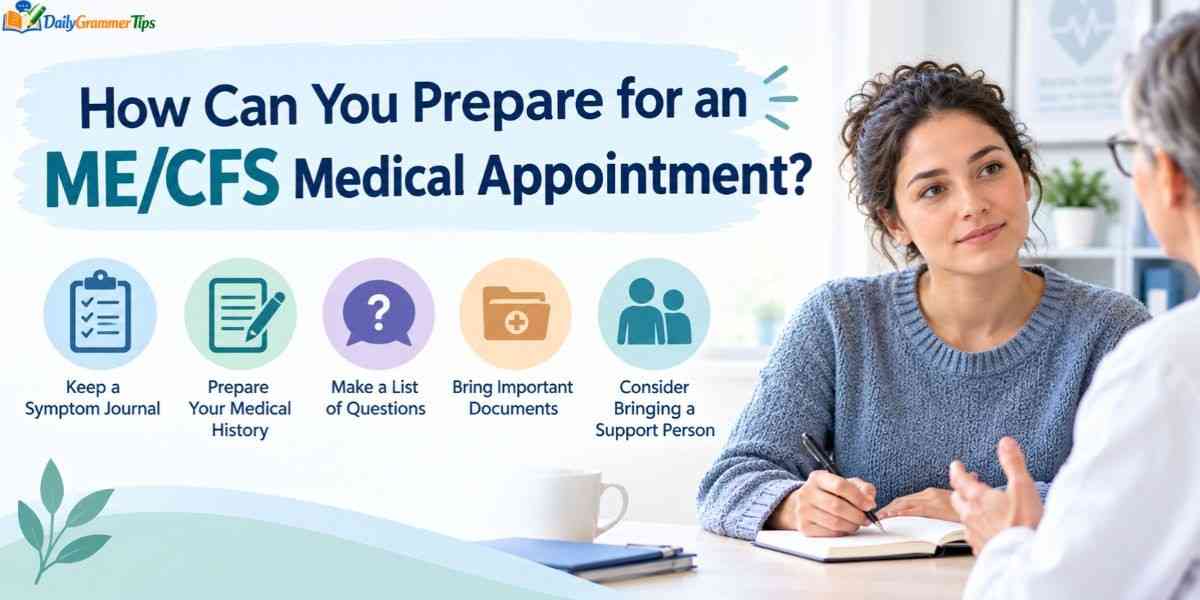
Preparing a short symptom summary can help make an appointment more useful. Describe when symptoms began, how daily function has changed, and what happens after physical or mental activity.
Keep a simple record of sleep, dizziness, pain, cognitive difficulties, and delayed symptom worsening if tracking does not use too much energy. Patients can also ask a trusted person to help organize notes or communicate their needs.
Questions to ask your healthcare provider include:
- Could my symptoms meet the criteria for ME/CFS?
- How should we evaluate post-exertional malaise?
- Are there other conditions that need testing?
- How can we manage my most disruptive symptoms?
- What should I do when symptoms suddenly worsen?
If a clinician is unfamiliar with ME/CFS, reputable educational material from the Bateman Horne Center or CDC may support a more informed discussion.
Learn more……….Laid Out vs. Layed Out: Meaning, Examples & Difference
How Can ME/CFS Be Managed?
There is currently no established cure for ME/CFS, and no single treatment works for everyone. Care generally focuses on reducing symptom burden, preventing avoidable worsening, and improving quality of life where possible.
A personalized plan may address sleep, pain, orthostatic intolerance, cognitive symptoms, and coexisting conditions. ME/CFS patient education helps patients understand their options and discuss potential benefits and risks with a qualified healthcare professional.
What Is Pacing in ME/CFS?
Pacing means balancing activity and rest to reduce the risk of PEM. It involves recognizing personal limits and adjusting physical, cognitive, emotional, and upright activities accordingly.
For example, someone might divide household cleaning into smaller tasks, sit while preparing food, and rest between necessary activities. The aim is to avoid repeated overexertion, not to meet a fixed activity target.
How Can You Prevent an ME/CFS Crash?
Start by noticing which activities tend to trigger delayed symptoms. Plan essential tasks carefully, allow recovery time, and avoid doing too much simply because you feel better on a particular day.
When symptoms worsen, reducing demands and prioritizing essential needs may help limit further strain. A new or unusually severe symptom should not automatically be attributed to ME/CFS; seek appropriate medical attention.
Is Exercise Recommended for ME/CFS?
Standard exercise advice may not be suitable for people who experience PEM. Fixed-increment exercise programs that require increases regardless of symptoms can cause setbacks and worsen function.
Activity decisions should be individualized with a clinician who understands ME/CFS. The goal is to respect current limits and avoid worsening symptoms, not to push through a crash.
How Can ME/CFS Symptoms Be Treated?
Treatment depends on each person’s symptoms, medical history, and response to interventions. A healthcare provider may address sleep disturbances, pain, headaches, dizziness, and other coexisting conditions separately.
For orthostatic intolerance, possible approaches may include individualized fluid or salt recommendations, compression garments, or medication when appropriate. These options are not safe or suitable for everyone, so patients should discuss them with a clinician.
Supplements and alternative therapies also require careful consideration. Some have limited evidence, may interact with medicines, or can cause harm. Be cautious of products promoted as guaranteed cures.
What Does Bateman Horne Center Offer for ME/CFS Patient Education?

The Bateman Horne Center offers educational materials designed to help people understand ME/CFS, recognize symptoms, and learn about managing their care. Its resources include disease education, videos, and information for patients, caregivers, and healthcare professionals.
ME/CFS patient education resources can help people learn about PEM, pacing, orthostatic intolerance, symptom management, and preparation for clinical appointments. Patients can work through relevant material at a comfortable pace and share useful information with their care team.
How Can Patients Use ME/CFS Educational Videos and Handouts?
Short videos and written handouts can make complex medical information easier to understand. Patients may focus on one subject at a time, such as recognizing PEM or preparing for an appointment.
Caregivers can also use these materials to better understand why routine activities may cause severe symptoms. Education is most useful when it supports individual needs rather than creating pressure to follow a rigid plan.
Which Other ME/CFS Resources Are Trustworthy?
The CDC provides information about symptoms, diagnosis, management, and daily living. Cleveland Clinic and Mayo Clinic offer patient-friendly explanations of the illness, while published medical research helps readers understand what scientists currently know and what remains uncertain.
When evaluating health information, look for clear evidence, balanced explanations, and realistic descriptions of treatment. Be wary of claims that promise a cure or suggest one approach works for every patient.
How Can Family Members Support Someone With ME/CFS?
Family members can help by understanding PEM, respecting activity limits, and offering practical support. Preparing meals, helping with errands, or reducing unnecessary demands may make daily life more manageable.
ME/CFS patient education also helps families understand why symptoms may fluctuate and why a person may appear well while struggling with ordinary tasks. Support should be based on the patient’s needs and preferences, not assumptions about what they should be able to do.
How Can ME/CFS Affect Work and School?
ME/CFS can affect attendance, memory, concentration, physical stamina, and the ability to complete tasks consistently. Some people may benefit from flexible schedules, remote participation, reduced workloads, or other reasonable accommodations.
Students may need adjusted workloads, rest breaks, or alternative learning arrangements. Plans should account for delayed symptom worsening and change when the person’s needs change.
What Support May People With Severe ME/CFS Need?
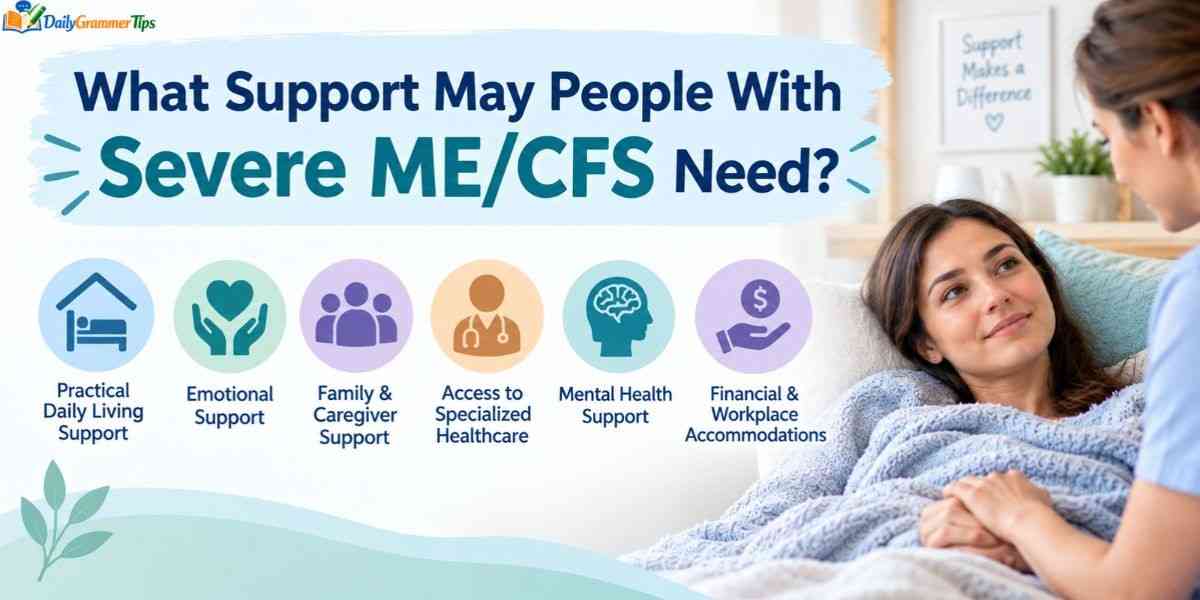
People with severe or very severe ME/CFS may have difficulty with personal care, movement, light, sound, or communication. Medical appointments and ordinary conversations can consume substantial energy.
Care should account for accessibility, sensory needs, and the person’s ability to communicate. Remote appointments or home-based support may be useful when available and appropriate.
Frequently Asked Questions
What Is ME/CFS Patient Education?
ME/CFS patient education provides reliable information about the illness, its symptoms, diagnosis, and management. It helps patients and caregivers understand the condition and prepare for informed discussions with healthcare professionals.
What Are the First Signs of ME/CFS?
Early symptoms may include persistent fatigue, reduced daily functioning, unrefreshing sleep, cognitive difficulties, and worsening symptoms after activity. Symptoms vary, so a healthcare professional should assess persistent or disabling problems.
Is ME/CFS a Real Medical Condition?
Yes. ME/CFS is a recognized, complex, multisystem illness. Its symptoms can cause substantial disability even when a person does not appear visibly ill.
Can ME/CFS Be Cured?
There is currently no established cure for ME/CFS. Care focuses on managing symptoms, avoiding preventable worsening, and treating coexisting conditions when possible.
How Long Does an ME/CFS Crash Last?
A crash may last days, weeks, or longer, depending on the person and the severity of the symptom flare. Reducing activity demands and allowing recovery may help, but there is no guaranteed recovery timeline.
What Is the Best Way to Manage ME/CFS at Home?
Pacing, planned rest, task simplification, and attention to delayed symptoms can help some people manage daily activities. Strategies should be adjusted to individual needs and discussed with a healthcare professional when possible.
Where Can I Find Reliable ME/CFS Patient Education?
The Bateman Horne Center, CDC, Cleveland Clinic, and Mayo Clinic provide educational information about ME/CFS. Their materials can help patients understand symptoms, diagnostic criteria, and available management approaches.
Conclusion
ME/CFS can affect nearly every part of daily life, from sleep and thinking to mobility and personal care. Understanding PEM, recognizing individual limits, and seeking appropriate medical support are important steps in managing the condition.
ME/CFS patient education gives patients and caregivers the knowledge to make informed decisions, communicate more effectively with healthcare professionals, and approach daily challenges with realistic expectations.
